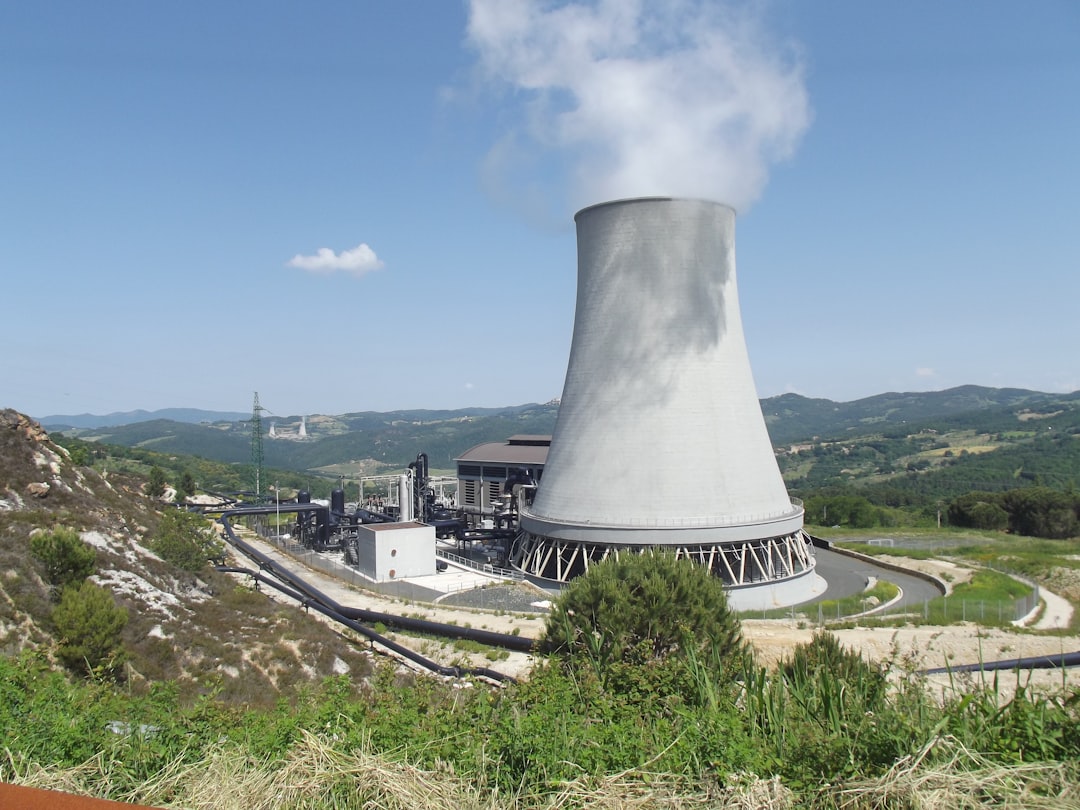
Constellation Energy Sparks a Tech-Stock Feel in Nuclear Power
As of mid-March 2026, Constellation Energy is drawing renewed investor interest by trading with a tech-stock sheen while remaining rooted in nuclear energy. The company completed the Calpine acquisition in early January 2026, vaulting its scale to roughly 55 gigawatts of combined capacity and positioning it as the largest private-sector power producer in the United States.
How a Nuclear Utility Became a Growth Story
Constellation Energy has shifted from a traditional utility model toward an AI- and data-center-ready power provider. Its business now leans on long-term power purchase agreements with technology and data-center tenants, including names in cloud computing and digital infrastructure. Those contracts help lock in revenue streams for decades, counterbalancing volatility in fuel costs and policy debates around carbon and reliability.
Key Metrics That Investors Are Watching
Growth-focused investors are weighing a mix of capacity, efficiency, and cash generation. The company’s operating profile includes a high-utilization fleet and strategic deals that support sustained earnings expansion.

- Fleet capacity: ~55 GW after the Calpine close, making it the nation's largest private-sector power producer.
- Fleet capacity factor: about 94.7%, underscoring a highly reliable nuclear fleet.
- Long-term PPAs: multi-year agreements with Microsoft, Meta, and CyrusOne help stabilize revenue.
- Growth trajectory: management targets 13%+ adjusted operating earnings growth through 2030.
- Free cash flow: the Calpine deal is expected to add more than $2 billion in annual free cash flow.
- Shareholder returns: dividends have been raised at a 10% annual pace, with a second 10% increase expected in 2026.
- Valuation spark: the stock has traded at a premium multiple, reflecting growth potential in carbon-free, always-on energy for digital infrastructure.
- Risk/volatility: beta around 1.1, signaling equity-like exposure relative to the broader utility sector.
Why The Market Sees a Tech Stock in a Nuclear Operator
Investors are drawing a line between traditional utility models and the kind of growth profile that powers data centers and AI compute. Constellation Energy’s blend of nuclear reliability with software-like demand visibility for AI-ready power creates a hybrid narrative. In markets where carbon-free, uninterrupted energy is increasingly priced like infrastructure for the digital economy, the company’s earnings trajectory resembles that of a tech infrastructure company more than a typical utility. This is why observers describe the situation using the phrase constellation energy only nuclear dynamics—a shorthand for a utility with core nuclear assets that behave like a platform for digital growth.
What Changed With Calpine and Why It Matters
The January 2026 close of the Calpine acquisition reshaped Constellation Energy’s scale, fuels mix, and free-cash-flow generation. The combined entity now has diversified generation capacity and a broader customer base, reinforcing its ability to offer carbon-free power with strong reliability. Executives have framed the move as a strategic bridge between traditional energy services and the energy needs of AI compute, cloud platforms, and data centers that demand uninterrupted power around the clock.
Market Readiness And Revenue Confidence
Analysts point to several catalysts that could keep demand high for Constellation Energy. The long-term PPAs reduce pricing sensitivity to near-term fuel swings and regulatory shifts, while the expanded fleet supports economies of scale in operations and maintenance. The company’s guidance for double-digit earnings growth through the end of the decade reinforces the view that this is more than a one-off earnings spike tied to consolidation.
Risks To Watch
Despite the bullish backdrop, investors should consider several potential headwinds. Regulatory changes impacting nuclear compensation or waste management could alter economics. Competition from other low- and zero-emission energy providers may pressure pricing on PPAs. Finally, the demand cycle for data-center power is sensitive to both technology cycles and broader macro conditions that influence capex in cloud and AI services.
What This Means For Investors Right Now
For portfolios seeking growth with a defensible carbon-free core, constellation energy only nuclear dynamics offer a compelling narrative. The stock’s tech-like valuation, supported by stable revenue streams and strong cash generation, sets it apart from peers that still resemble traditional utilities. As 2026 unfolds, the company’s ability to convert its nuclear base into a scalable platform for AI-ready power will be the key driver for investor sentiment.
Key Takeaways
- Constellation Energy now features a 55 GW fleet after closing Calpine, elevating the company to the top tier of private power producers.
- The 94.7% fleet utilization rate highlights the reliability of its nuclear assets.
- Long-term PPAs with major tech and data-center tenants create predictable revenue streams.
- Projected earnings growth of 13%+ through 2030, plus $2B+ in annual free cash flow from Calpine, supports sustained cash returns.
- Dividend policy targets 10% annual growth, with another 10% increase anticipated in 2026.
- Valuation remains elevated versus traditional utilities, reflecting a tech-stock-like narrative for a nuclear operator.
As markets digest these shifts into 2026 and beyond, investors will be watching how the Constellation Energy platform scales to power a growing digital economy while maintaining the nuclear backbone that provides reliability for households and industries alike.
Discussion