
Market Context
As of March 19, 2026, U.S. consumers are navigating persistent pressure from energy costs even as inflation cools on several other fronts. Geopolitical tensions and supply concerns have kept crude markets volatile, translating into higher regular gasoline prices for households across the country. The backdrop is a consumer landscape that remains sensitive to policy moves and corporate earnings guidance, with energy costs acting as a key brake on discretionary spending.
Traders and policymakers are watching energy fundamentals closely. While inflation has cooled from its peak, energy affordability remains a central concern for family budgets. That dynamic has heightened interest in studies that measure how much relief tax refunds really provide when fuel prices are elevated and volatile.
What the Stanford Study Found
A group of economists from Stanford completed a rigorous evaluation of how tax refunds interact with rising gas costs. The analysis suggests refunds do little to fully offset the energy-related strain on household budgets, meaning even well-timed payouts may leave families paying more at the pump than the checks can cover. Lead author Dr. Maya Chen described the result as a mixed signal for relief policy: refunds help, but not enough to materially alter daily expenditure on energy in the current environment.
In interviews, Chen noted that the study’s framework mirrors real-world spending: households typically allocate a portion of tax refunds to energy bills, but when gas prices move higher, the marginal benefit of a refund shrinks. The researchers stress that the results are not a verdict on fiscal policy, but a warning about effectiveness when energy markets are volatile.
“This is not a victory lap for relief programs,” Chen said. “We’re seeing that energy costs move so much that a one-time refund doesn’t fully insulate a family from higher prices over a year.”
Beyond the numbers, the study highlights how consumer expectations can impact spending. If households anticipate ongoing energy costs, they may tighten other expenditures, echoing worries about a slower pace of growth even if headline inflation cools. As one senior analyst at a major brokerage put it, the mood in markets is shifting toward pragmatism rather than optimism—a sentiment some traders have captured in shorthand with the phrase 'epic fury' already canceled to describe inflated expectations cooling off in the face of stubborn costs. The study’s results compound that notion, underscoring the limits of refunds in a high-energy regime.
Tax Refunds vs Gas Prices: The Numbers
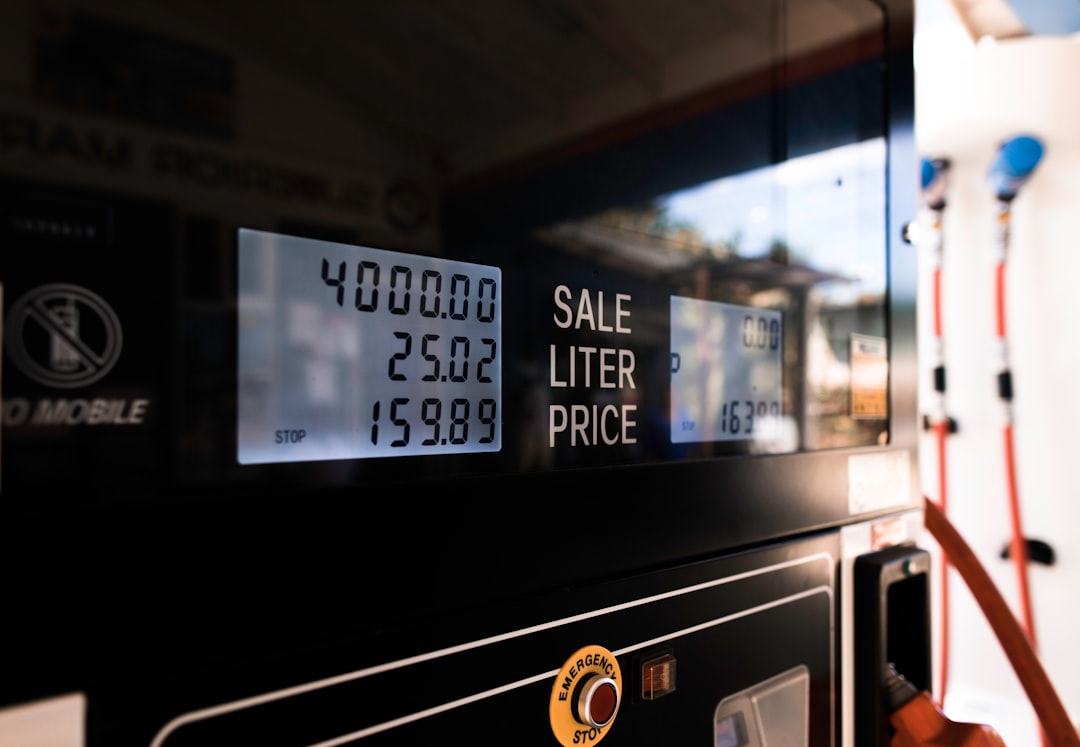
- Gasoline prices: Nationwide average for regular unleaded sits near $3.68 per gallon, with regional variation ranging from $3.25 to $4.10 depending on supply routes and refinery outages. (As of March 18, 2026)
- Share of spending on energy: Household energy outlays, including gasoline and home heating, account for about 5.2% of typical budgets in March 2026, according to consumer expenditure data.
- Average tax refunds: The mean refund per household in 2025 hovered around $1,720, a figure that reflects changes in withholding and child credits. Families with higher incomes saw smaller refunds on average, while lower-income households relied more on refunds for energy costs.
- Refunds versus pump prices: In the Stanford model, a $1,000 refund reduces annual gasoline expenditure by roughly $60 for a typical commuter, highlighting the partial offset that refunds can provide when prices are volatile.
Additional data from the study shows that when gas prices rise by 10%, households spend proportionally more on fuel, and the marginal impact of a tax refund on total expenditures declines. The result, the authors note, is a persistent squeeze on discretionary spending like dining out, entertainment, and nonessential shopping—areas that often drive economic momentum.
Policy Reactions and Market Implications
Lawmakers on both sides of the aisle say relief programs must be calibrated to true cost pressures. Treasury officials cautioned that refunds are only one tool among tax policy levers, and that energy costs require a broader strategy, including potential energy efficiency incentives and targeted credits for low-income households. A spokesman for the department said: “We’re evaluating how refunds interact with energy affordability, but the data reinforce that a broader, durable approach is necessary.”
Investors are parsing the Stanford findings for clues about policy timing and market impact. Energy sector equities have shown mixed behavior lately, with the S&P 500 Energy Index fluctuating within a tight band as investors weigh potential reforms against ongoing price volatility. In futures trading, crude benchmarks traded in a narrow range, reflecting a balance between supply discipline and demand uncertainty.
One veteran strategist framed the debate this way: refunds provide politicos with a visible middle-class relief tool, but the real-world effect on household cash flow can be muted when energy is the dominant cost driver. That stance aligns with the study’s core takeaway: the effectiveness of one-off checks diminishes when the energy market remains dynamic and prices are sticky upward.
What Investors Should Watch Next
- Policy clarity on energy credits and consumer relief: Any expansion or redesign of energy credits could shift how households allocate refunds, with knock-on effects for consumer spending.
- Gas price volatility: If crude markets stay volatile, even stable refund schemes may not prevent consumption envelopes from tightening, especially in travel-heavy months.
- Corporate earnings in energy and consumer discretionary sectors: Companies tied to energy consumption patterns could see earnings revisions based on household budgets and fuel spend.
- Inflation trajectory and wage growth: The balance between price gains and real income will influence consumer confidence and cash flow, impacting equities and fixed income alike.
For traders, the takeaway is pragmatic: epic fury still exists in the sense that energy costs remain a dominant risk factor, but the immediate relief narrative is cooling. The Stanford results suggest that investors should treat tax refunds as a modest cushion rather than a panacea for energy-driven budget stress.
Investing and Personal Finance: What Consumers Should Do Now
With energy affordability persisting as a key constraint, households should consider strategies that reduce exposure to fuel price swings. Options include accelerating energy-efficiency upgrades, evaluating fuel-lean commuting options, and reviewing tax-withholding to optimize refunds without creating large gaps late in the year. For investors, diversifying across sectors that are less sensitive to energy prices—such as healthcare, technology services, and consumer staples—may help balance a portfolio in a period where energy costs loom large despite generally cooler inflation.
Conclusion
The Stanford study adds a critical reality check to the relief narrative that has long accompanied tax refunds. As gas prices remain elevated and volatile, refunds alone are unlikely to shield households from the daily squeeze of energy costs. The data underpin a broader policy conversation about durable, structural relief for energy affordability and a more nuanced approach to fiscal stimulus in 2026. If markets were hoping for a rapid reset, the message from researchers is clear: epic fury already canceled; the focus now is on policy design that can deliver lasting budget stability for American families.
Discussion