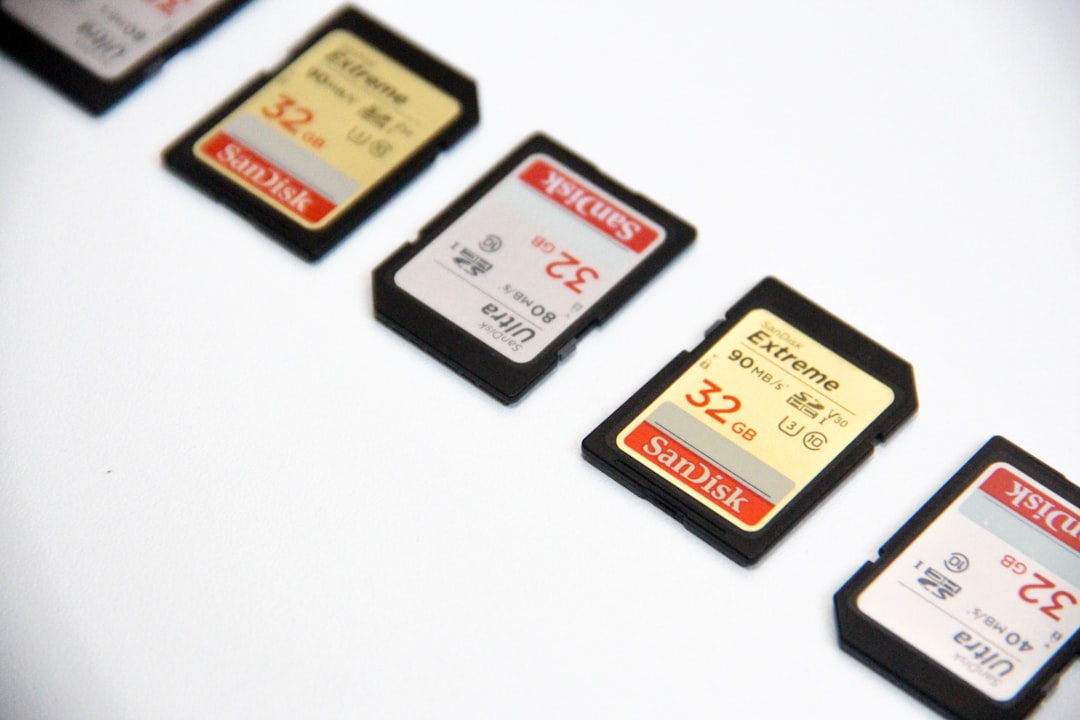
Market Move Signals Fresh Optimism in AI-Driven Memory Space
SanDisk climbs sector-wide memory momentum as investors priced in a sustained shortage of NAND flash memory. On Friday, the stock rose roughly 6% in mid-session trading, stretching a week of gains that has put the stock at the center of the memory chip rally. Traders cited a mix of resilient demand from AI data centers and a structural supply constraint that could keep prices firm for years.
With the period’s price action, SanDisk touched a new intra-day high around the mid-$600s, underscoring how memory names are trading on a multi-quarter thesis rather than a short-term quarterly beat. The move aligns with a broader narrative seen across the sector, where investors are rotating into suppliers of NAND and other memory components that power AI workloads.
Q2 FY2026: A Snapshot of Growth and Demand
New quarterly results show SanDisk delivering a meaningful step up in revenue and a sharply higher contribution from data center operations. The company reported Q2 FY2026 revenue of $3.025 billion, up 61.25% year over year and topping consensus estimates by about 12.5%. The datacenter segment posted $440 million in revenue, up 76% versus the prior year, highlighting the AI infrastructure boost driving memory demand.
Analysts point to the numbers as evidence that the AI buildout among hyperscalers is translating into tangible backlog and higher utilization of flash memory in servers, storage arrays, and AI accelerators. The quarterly mix shows the data center line as a key growth pillar, while consumer and edge segments continue to contribute, albeit at more modest rates.
The Structural Shortage Narrative: Why This May Last
A central driver cited by market observers is a structural NAND flash memory shortage fed by sustained AI data-center investments. Industry insiders say supply constraints will persist well into the 2026–2028 window, creating a favorable backdrop for memory suppliers that can scale production to meet this demand. The thesis is not a one-quarter story; it is a multi-year dynamic shaped by AI adoption across cloud services, edge compute, and enterprise storage.
In practice, that means hyperscalers are competing for limited NAND capacity, while new capacity is coming online gradually. The result is tighter supply and higher pricing power for suppliers, a pattern that benefits names like SanDisk and its peers as they navigate a long-term growth curve driven by AI compute needs.
Industry Context: Sandisk Climbs Sector-Wide Memory
Analysts have framed the current rally around the idea that the NAND shortage is a sector-wide factor, not a single stock phenomenon. The conversation has steadily shifted toward a narrative of sandisk climbs sector-wide memory, with investors expecting a broad upcycle in memory-related equities as demand remains robust and supply remains constrained. This framing has helped lift other memory stocks as well, creating a ripple effect across the market.
Analyst Voices and Market Sentiment
“The NAND market is not just tight this quarter; it’s structurally tight for the next several years,” said Maria Chen, senior analyst at BrightCap Research. “AI deployment in data centers is outpacing supply, and many players are wrestling with capital-intensive capacity expansion. That dynamic supports higher pricing and better visibility for long-duration contracts.”
Another market watcher, James Patel of NorthBridge Partners, added, “The sandisk climbs sector-wide memory storyline has gained traction because it reflects a durable demand backdrop. If AI data centers keep expanding at current rates, we’re likely to see continued outperformance among memory-centric suppliers.”
Risks and What Investors Should Watch
Even as the longer-term narrative looks favorable, near-term risks remain. Price competition within the memory space could intensify if new capacity accelerates, potentially tempering margins. Supply chain disruptions, geo-political tensions, and potential changes in AI spending cycles could also affect the pace of revenue growth for SanDisk and its peers.
Market participants will be watching updates on wafer fab utilization, lead times, and the pace at which foundries can bring new NAND lines online. Any delay could rein in the sector-wide optimism, while a faster-than-expected ramp could push valuations higher still.
What This Means For Investors
- Inflation-Adjusted Growth Narrative: The company’s Q2 results reinforce the view that AI-driven demand is creating a durable, multi-year growth path for memory suppliers.
- Valuation Backdrop: With the sector trading on an upcycle, investors may see continued volatility as short-term catalysts bounce against long-cycle supply dynamics.
- Portfolio Implications: For traders seeking exposure to AI infrastructure, memory names like SanDisk could offer upside tied to spare capacity and refresh cycles in data centers.
Conclusion: Memory Markets Remain a Core AI Theme
The latest price action confirms a market that is embracing the idea that AI infrastructure will require sustained investment in memory. With AI workloads expanding and the NAND shortage unlikely to ease quickly, SanDisk and its peers are positioned to benefit from 2026 through 2028 and beyond. The phrase sandisk climbs sector-wide memory continues to reflect a market consensus: the AI buildout is a long-term catalyst for memory stocks, not a fleeting trend.
Key Data Points
- Q2 FY2026 revenue: $3.025 billion, up 61.25% YoY
- Datacenter revenue: $440 million, up 76% YoY
- Revenue beat vs. estimates: ~12.54%
- Supply backdrop: NAND flash shortage persists through 2028
- Market takeaway: AI infrastructure demand remains the primary driver of upside for memory names

Discussion