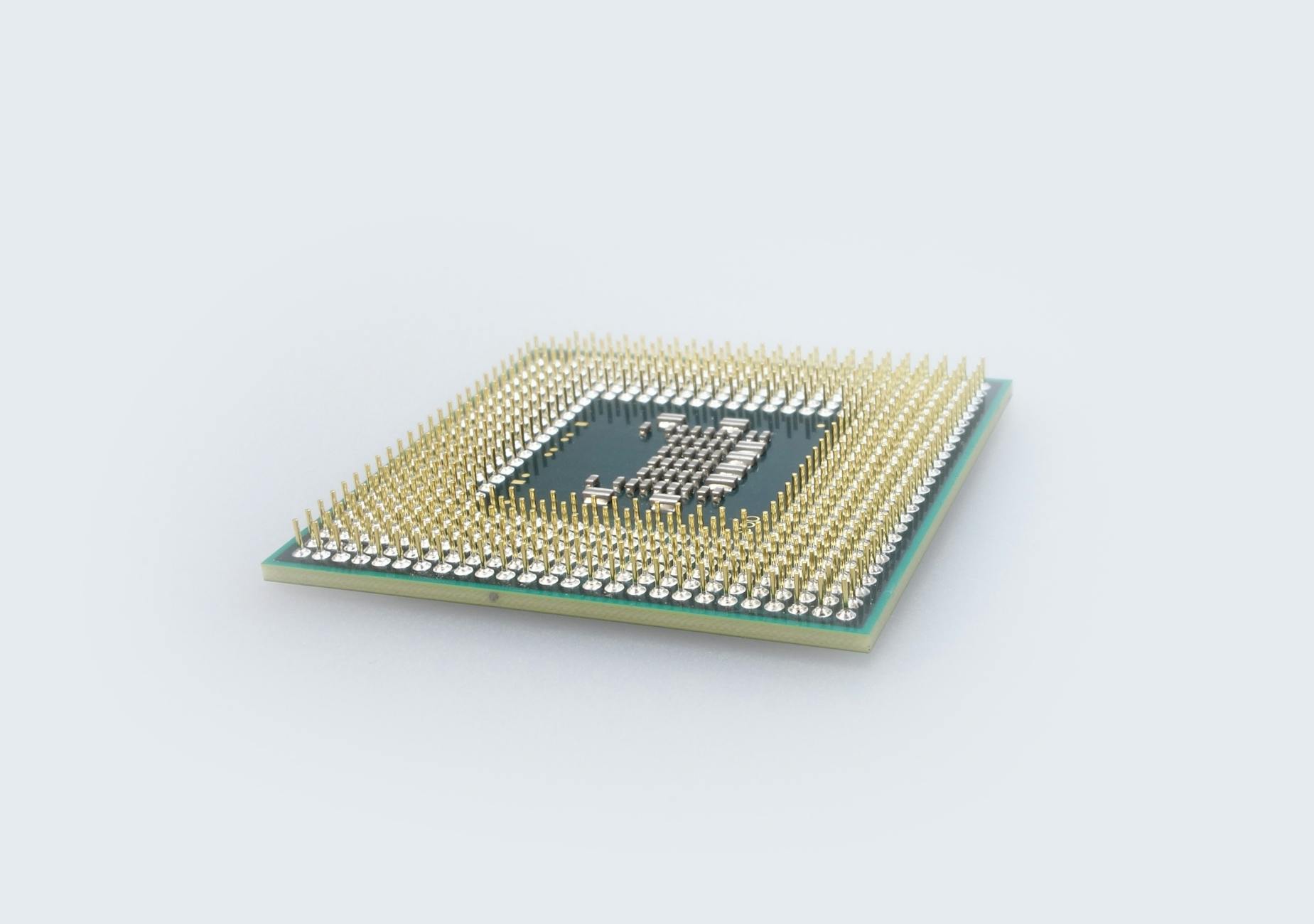
Market Backdrop: semiconductors in the spotlight as volatility persists
The semiconductor pullback makes this ETF a compelling entry point for investors seeking exposure to a broad swath of chipmakers without concentrating risk in a handful of mega-caps. With market turbulence and export-control uncertainties weighing on sentiment, the sector remains fundamentally constructive on AI-driven demand and data-center expansion.
As of late March 2026, volatility has kept the VIX in the mid-20s, and traders are weighing policy developments alongside earnings momentum. While headlines have sparked swings, much of the near-term pressure looks technical rather than a signal of collapsing demand for semiconductors used in AI, cloud infrastructure, and automotive tech.
What is the ETF and why this matters now
The focus is on the Invesco Semiconductors ETF (PSI), a diversified vehicle that seeks to capture the breadth of the chip supply chain. The index behind PSI blends momentum, quality, value, and governance signals to avoid overconcentration in a few names. The result is a fund that can ride through idiosyncratic moves in individual stocks while staying aligned with a secular growth story in AI and advanced computing.
That semiconductor pullback makes this ETF a sensible option for long-term investors who want exposure to AI-era chipmakers without betting on a single stock’s fortunes. The fund’s rebalancing cadence and exposure to hardware, software, and equipment suppliers help smooth out volatility that often accompanies quarterly earnings cycles.
Key data points you should know
- Assets Under Management: approximately $3.2 billion
- Expense ratio: about 0.60%
- Holdings: around 31 semiconductor stocks across the supply chain
- Top holdings (roughly as of Feb 2026): Nvidia, Broadcom, Micron, Applied Materials, and Texas Instruments
- Recent performance note: the fund has faced some pullback in the last month, even as underlying companies reported solid earnings and forward guidance
Portfolio snapshot: how the holdings stack up
The ETF emphasizes breadth over concentration, reducing single-name risk even when major chipmakers post strong numbers. The top five positions represent a meaningful but not overwhelming portion of assets, which helps PSI weather earnings-driven swings in any one name.

- NVIDIA (NVDA) – a foundational AI accelerator play
- Broadcom (AVGO) – diversified chip and infrastructure revenue
- Micron (MU) – memory and storage backbone for data centers
- Applied Materials (AMAT) – equipment and process tools for fabs
- Texas Instruments (TXN) – analog and embedded processing strength
Market participants note that the semiconductor pullback makes this ETF a more attractive entry point, especially for investors who want exposure across the supply chain and not just consumer-electronics names.
Why the pullback could be a buying signal
Analysts say the weakness is largely macro and policy-driven rather than a deterioration in chip demand. Export controls on certain technologies and ongoing geopolitical risk have amplified short-term selling pressure, but orders for AI infrastructure and cloud-capex remain robust in many segments.
“The semiconductor pullback makes this ETF a clearer proxy for secular AI-driven demand, while its diversified structure helps mute idiosyncratic risks from any one company,” said Linda Park, senior portfolio manager at Quantum Capital. “As policy headwinds evolve and the AI cycle remains intact, the setup could shift from a fear-driven dip to a measured recovery.”
Risks to watch
- Export controls and policy shifts could alter the competitive landscape for suppliers focused on advanced manufacturing equipment and memory chips.
- Global demand for PCs and consumer devices can swing with macro conditions, impacting some exporters more than others.
- AI-heavy data-center capex may decelerate if AI adoption slows or funding cycles tighten.
What this means for investors
For investors seeking a disciplined, diversified way to participate in the AI-era chip cycle, the semiconductor pullback makes this ETF a compelling option. It combines breadth with an active-leaning index approach that strives to capture durable earnings momentum while avoiding overconcentration in a few names.

As earnings seasons progress and policy headlines evolve, PSI could offer a more resilient path through a choppy market, especially for those prioritizing long-term exposure to semiconductors and data-center accelerators. It’s a reminder that a pullback in semiconductor stocks can create an entry point rather than a setback for patient portfolios.
Investors should conduct their own due diligence and consider how this ETF fits within their broader asset mix, risk tolerance, and income needs. The current environment underscores why a diversified approach to semiconductors may help investors stay exposed to a long-term growth narrative even when near-term volatility spikes.
Discussion