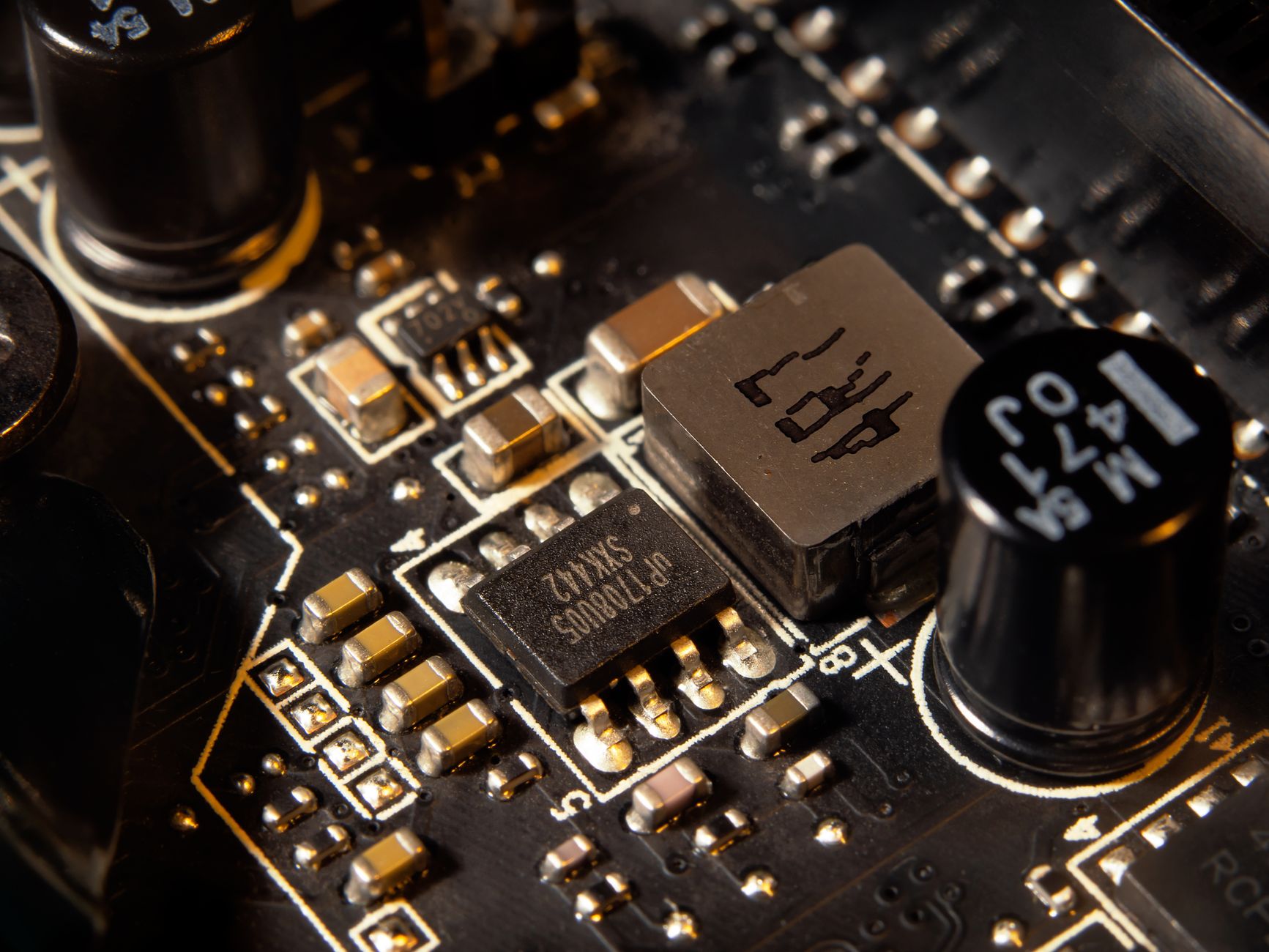
Why AI Needs Semiconductors—and Why That Matters for Your Portfolio
The current wave of artificial intelligence has elevated semiconductors from backroom enablers to the front lines of market attention. AI workloads demand specialized hardware: high-performance GPUs, AI accelerators, memory, and fast interconnects. In short, chips are the backbone of modern AI, and their companies shape a large portion of the investment story behind every flashy AI product or service.
As the AI story has heated up, investors flocked to a handful of chipmakers with eye-popping valuations. Then come the inevitable pullbacks when hype meets reality: earnings pacing, supply chain constraints, and cyclical demand shifts can all erode multiples. For those who want AI exposure without chasing oversized bets on a few name-brand stocks, a concentrated or broadly diversified semiconductor ETF can offer a compelling balance of growth potential and risk management.
Think of semiconductors as the fuel for AI fuel cells. Without enough supply and the right mix of product segments—servers, data-center accelerators, autonomous systems, and edge devices—the AI engines stall. This reality shapes why investors may want to focus on the broader semiconductor ecosystem rather than a single winner. The result could be a more stable path toward AI-associated upside, even when the broader tech market cools.
This Semiconductor Might Most Appeal to AI Investors
When you hear about AI stock bets, a simple truth often gets overlooked: the best AI investments don’t always ride the most famous names. In fact, this language—"this semiconductor might most appeal to AI investors"—often describes the strategy of embracing a broader engine of AI growth. The right semiconductor ETF can deliver diversified exposure to the companies that actually build the chips powering AI, from the leading foundries to semiconductor designers and critical component suppliers.
Why is this the case? AI adoption is a multi-year cycle driven by data center upgrades, cloud AI deployments, and edge AI applications. While a single company can be a star, a broad semiconductor ETF can capture multiple engines of growth: accelerators, memory innovations, interconnect technologies, and even the manufacturing ecosystems that scale AI hardware.
For risk-aware investors, the appeal is clear. A focused ETF can reduce single-stock risk while maintaining meaningful participation in AI’s upside. In environments where valuations for top components remain elevated, a broad, well-constructed semiconductor ETF can offer a more predictable path to AI exposure than chasing individual stock fireworks. In other words, this strategy aligns with the reality that AI progress is a team sport played by many chipmakers, not just the mega-cap accelerators.
How to Evaluate a Semiconductor ETF for AI Exposure
Before you commit any money, you should answer three core questions: What exactly does the ETF own? How are the holdings weighted? And what will the cost be to own it over time? Below are practical criteria to guide your analysis.
A good AI-friendly semiconductor ETF should cover a range of subsectors: memory, logic/processors, foundry services, and equipment vendors. A narrow ETF that tilts too heavily toward one area may expose you to cyclical risk. Examine whether the top 5–10 holdings account for a large share of assets. Higher concentration can magnify idiosyncratic stock risk, especially during earnings surprises. The costs you pay matter over time. A 0.25%–0.60% annual fee is common for broad semis ETFs; lower is better, but you should also compare how closely the fund tracks its index. Ensure there is enough daily trading volume so you can enter and exit without large bid-ask penalties. This is especially important if you intend to adjust positions in response to AI market news. Some funds track broad market-cap weighted indices, while others use rules-based screens for growth, profitability, or exposure to specific subsegments. Understanding the rule set helps you anticipate how the fund behaves in different market regimes.
Why an Underrated ETF Might Outperform in a Slower Growth Phase
During periods when AI hype cools and valuations compress, investors often reward diversification and resilience. An ETF with broad semiconductors exposure can outperform a fan-out of single-name bets when earnings growth slows in any one company. The reason is simple: a diversified basket of AI-enabling components tends to weather a setback in a single segment, such as GPU accelerator demand or memory pricing, better than a concentrated bet on a single stock.
Additionally, lower-cost, broadly diversified semiconductors ETFs may offer better tax efficiency and tax-loss harvesting opportunities over time, especially as the sector cycles through periods of rising and falling profitability. For investors focusing on the long run of AI adoption, this can translate into more stable compounding and fewer dramatic drawdowns during volatility spikes.
A Practical Plan: How to Build an AI-Forward Semi ETF Allocation
Below is a practical, step-by-step blueprint you can adapt to your own financial situation. The goal is to maintain core exposure to AI-enabled semiconductors while keeping risk manageable.
- Set a starting allocation: If you’re starting with a $10,000 portfolio, consider placing 60% in a broad semiconductor ETF with AI exposure, 20% in a smaller-cap semiconductors ETF for growth potential, and 20% in a complementary AI infrastructure ETF (e.g., data centers or cloud infrastructure) to balance the AI engine’s drivers. You can adjust these weights based on your risk tolerance.
- Stagger your entries: Instead of a lump sum, spread purchases over 6–12 months. This helps smooth entries amid volatility and reduces the risk of market timing mistakes.
- Rebalance annually: Revisit your mix to ensure it still aligns with your goals and risk tolerance. If semiconductors have rallied and your allocation exceeds target, trim back to maintain balance; if they’ve lagged, consider adding on weakness.
- Guardrails for risk: Establish stop-loss-like mental thresholds (for example, a 15% decline from your cost basis in the ETF) and avoid overconcentration in any single stock or subsegment.
- Tax considerations: If you hold these ETFs in a taxable account, be mindful of capital gains distributions and the timing of tax-loss harvesting opportunities, especially after periodical sector reversals.
What to Watch in the Next 12–24 Months
Investing in semiconductors tied to AI requires attention to several moving parts beyond stock prices. Here are key trends that could shape performance:
- Capital expenditure cycles: AI data-center demand often drives capex cycles that can last 18–36 months, affecting chipmakers differently depending on product mix.
- Foundry capacity and supply chain resilience: Global supply chain constraints have historically tightened in periods of peak AI expansion, then eased as new fabrication capacity comes online.
- Memory and chip pricing: Pricing pressures in DRAM and NAND can influence profits differently across memory-focused players versus logic or foundry companies.
- Geopolitics and policy: Trade tensions and export controls can affect access to advanced nodes and equipment, adding a layer of risk to the broader market.
Real-World Scenarios: How an AI-Focused Semiconductors ETF Could Work
Consider two investors, Maya and Sam, starting with identical $50,000 portfolios in 2025. Maya chooses a broad semiconductor ETF with AI exposure and limits her position to 60% of the portfolio, complemented by 20% in a small-cap semis ETF and 20% in a cloud infrastructure ETF. Sam opts for a concentrated bet on a single AI-focused semiconductor name and a handful of related tech stocks. Over a three-year horizon, Maya’s diversified approach offers steadier drawdowns during market pullbacks and a meaningful capture of AI-driven upside when data-center demand accelerates. Sam, while possibly generating outsized returns in a strong run, endures sharper losses when the chip cycle softens or a key supplier faces delays.
In practice, this is the kind of decision that helps you navigate valuation uncertainty in AI stocks. The semiconductor sector—driven by AI workloads in data centers, automotive, edge devices, and industry-specific applications—shows resilience when priced attractively and balanced with a diversified ETF approach.
Risks to Consider Before You Invest
No investment approach is risk-free, and semiconductors have their own set of unique challenges. Here are the main concerns to address before you commit capital:
- Cyclicality: The semiconductor industry is notoriously cyclical. Growth spurts can be followed by downturns as demand normalizes or inventory adjusts.
- Valuation sensitivity: AI hype can inflate multiples for a subset of names. A broad ETF can mitigate some of this risk, but you still face macro moves that drive valuations up and down.
- Supply chain and geopolitics: Component shortages, export controls, and cross-border dependencies can disrupt earnings and capacity utilization for chipmakers.
- Technology risk: Rapid shifts in AI architecture and software optimization may favor certain chip technologies over others, influencing the long-term performance of a broad index.
Putting It All Together: A Simple Action Plan
Here is a compact, actionable routine you can adopt starting today. It’s designed to be easy to implement while preserving room for future adjustments as the AI hardware story evolves.
Define your AI exposure target. Decide on a base allocation to semiconductors (for example, 60% broad semis ETF) and a smaller sleeve for related areas (e.g., 20–30% AI infrastructure exposure). Choose two or three ETFs with complementary focuses (broad semis, memory-intensive semis, and foundry exposure) and examine their costs and holdings. Keep your combined expense ratio under 0.60% if possible. Start with a controlled contribution schedule (e.g., 4–6 months of monthly investments) to smooth the entry into volatile markets. Schedule a quarterly check-in to review performance, exposure, and any structural changes in AI data center spending that could affect chipmakers. Rebalance annually back toward your target mix, ensuring you maintain your risk tolerance and long-term goals.
Frequently Asked Questions
Q1: What exactly does the focus keyword mean in this article?
A1: The phrase this semiconductor might most refers to the concept that the best AI exposure in a volatile market often comes from a broad, diversified approach to semiconductors rather than single-name bets. The article uses this idea to discuss why an underrated semiconductor ETF might offer a durable path to AI upside.
Q2: How should I think about risk when choosing a semiconductor ETF?
A2: Start with diversification across subsegments (memory, logic, foundry, and equipment). Check top holdings concentration (ideally not overly weighted in 1–2 stocks), compare expense ratios, and assess liquidity. Be mindful of cyclicality and the potential impact of supply chain disruptions or geopolitical tensions.
Q3: What is a realistic return expectation for an AI-forward semiconductors ETF?
A3: Returns depend on AI adoption speed, capital expenditure in data centers, and memory/frontend cycle conditions. A broad semis ETF could deliver mid-to-high single-digit annualized gains in steady periods, with multiyear upside during AI infrastructure upgrades. However, market drawdowns and cyclical headwinds can produce sharper declines than broader market indices.
Q4: How much of my portfolio should I allocate to semiconductors?
A4: A common starting point for a dedicated AI exposure is 5%–15% of a diversified portfolio, adjusted for your risk tolerance and time horizon. If you want more defensive exposure, you can lower that percentage and pair it with broader tech or passive equity positions; if you’re comfortable with higher risk, you can increase the allocation gradually as you learn how the sector behaves.
Conclusion: A Pragmatic Path to AI Exposure Through Semiconductors
Artificial intelligence is no longer a niche tech trend; it’s morphing into a multi-year growth cycle that will shape many industries. The heart of this cycle is the semiconductor industry—the engine that makes AI practical, scalable, and affordable. For investors seeking a balanced approach to AI—one that emphasizes broad exposure, prudent costs, and actionable risk controls—this semiconductor might most appeal as a practical core holding within a diversified portfolio. By understanding how to evaluate semiconductors ETFs, constructing a disciplined plan, and monitoring the evolving AI hardware landscape, you can position yourself to participate in AI’s upside while mitigating the volatility that often accompanies early-stage tech bets.
Discussion