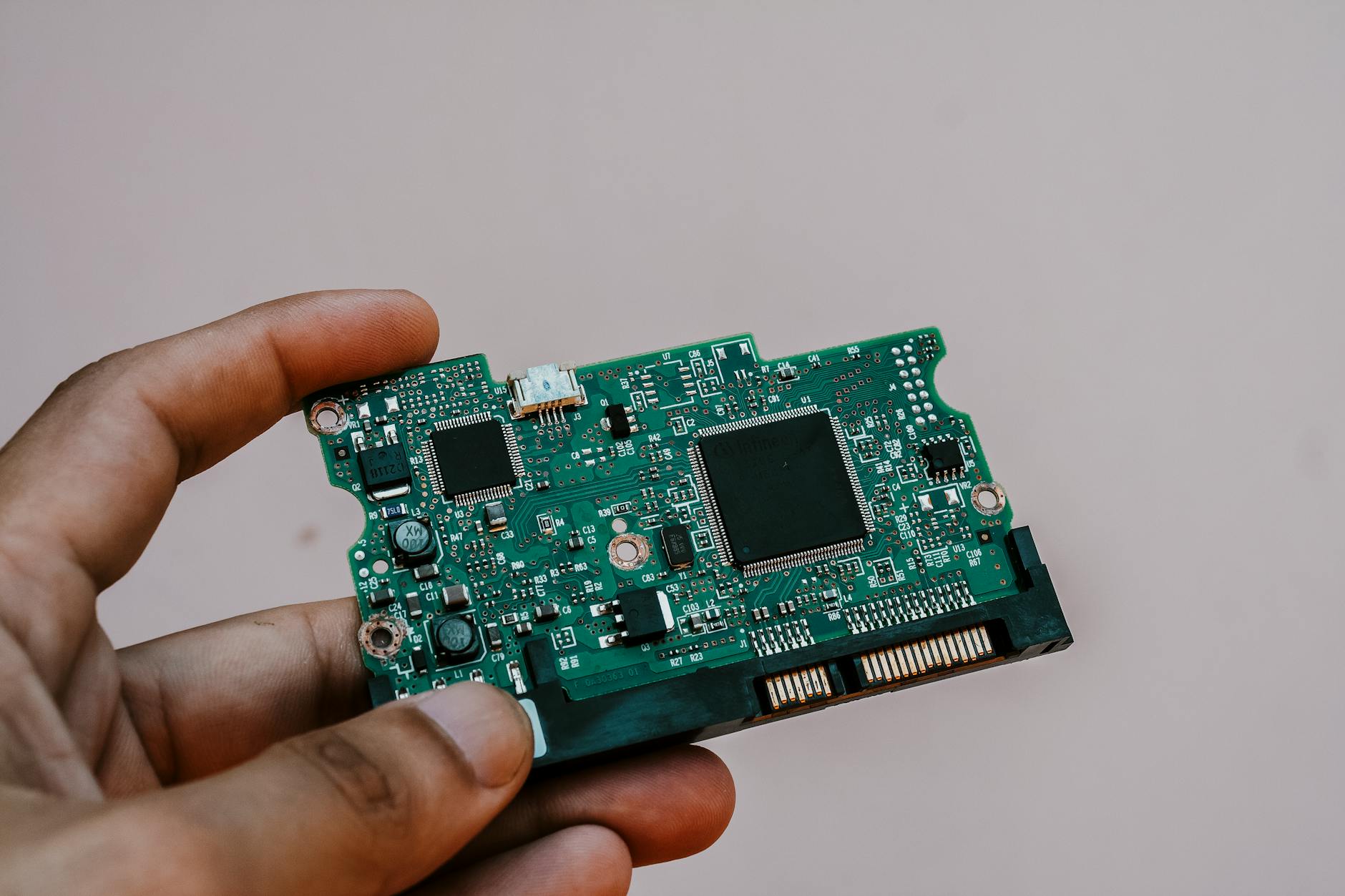
Introduction: A Hidden Engine in AI Infrastructure
When investors think about AI, the spotlight often shines on software platforms, GPUs, or cloud services. Yet behind every training run, model refresh, and real-time inference lies a critical, ongoing need: storage that can keep up with unrelenting data growth. Seagate Technology (NASDAQ: STX) sits in a unique position on this front. It is not merely selling hard drives; it’s supplying the backbone of AI data centers—dramatically more storage, with improving efficiency, and a cost structure that could expand margins as the AI data flood grows. The central question for investors is whether wall street mispricing seagate's AI storage opportunity is masking a durable, long-term growth engine. This article lays out the case for why that mispricing might exist, what would cause it to unwind, and how to position for what could come next.
Why AI Storage Matters in the Era of Hyperdata Growth
AI workloads—from large-scale language models to real-time recommendation engines—produce and consume data at scale. That reality translates into three practical implications for storage players:
- Massive data inflows: Global data created and replicated is rising into the hundreds of zettabytes per year range within a few years, driving demand for density, durability, and speed.
- Higher performance needs: AI training and inference require faster access to data; that means more advanced SSDs and NVMe architectures within data centers, not just traditional HDDs.
- Total cost of ownership considerations: Hyperscalers seek storage solutions that reduce latency, power, and cooling while increasing usable capacity per dollar. Efficiency matters as workloads scale.
In this environment, companies with large-scale, integrated storage portfolios can capture more of the data center budget cycle. Seagate’s breadth—ranging from nearline HDDs to enterprise SSDs and high-capacity storage solutions—positions it to participate across the AI storage stack. Crucially, the economics of storage are changing: as capacity grows, the marginal cost per terabyte often declines, and operational efficiency becomes a differentiator for data-center operators and their suppliers.
Seagate’s Positioning: A Realistic View of the AI Storage Opportunity
Seagate’s business model blends sheer scale with product diversification. Its long-standing relationships with hyperscale operators, government and enterprise customers help stabilize demand, even as overall memory markets swing. Here’s how that positioning translates into an AI storage narrative:
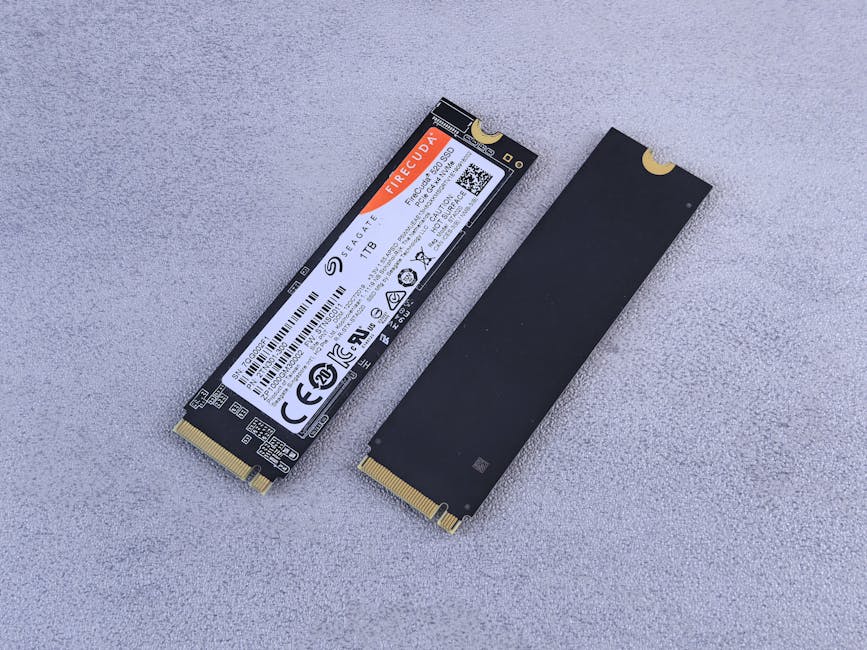
- Scale and reach: Seagate ships millions of drives and solid-state storage devices annually, giving it a broad footprint across data centers, edge deployments, and consumer markets. Scale supports better pricing power and access to large procurement contracts.
- Product breadth: The company’s portfolio covers traditional hard-disk drives (HDDs) for high-capacity needs and solid-state drives (SSDs) for latency-sensitive AI tasks. This breadth helps capture both cost-effective bulk storage and high-performance AI storage requirements as data center architectures evolve.
- Operational efficiency: With decades in the storage business, Seagate has refined its supply chain, manufacturing, and channel strategy. In a capital-intensive AI cycle, efficiency translates into better gross margins and more durable cash flow generation—even if revenue growth is incremental at the outset.
- Customer concentration and contracts: Although a portion of Seagate’s revenue comes from large OEMs and hyperscalers, long-term contracts and volume commitments can cushion the company against quarterly demand swings.
From a product-trajectory standpoint, AI-related storage grows not just because AI models require more space, but because machines must access data quickly at large scale. That means a need for high-density, power-efficient storage that can operate reliably in dense rack environments. Seagate’s SSD offerings, combined with high-capacity HDDs, position the company to meet both the immediate and long-horizon demands of AI data centers.
The Wall Street Mispricing Thesis: Why the Market Might Be Underestimating Seagate
The core idea behind wall street mispricing seagate's AI storage opportunity is simple in concept but complex in execution: the market may be discounting the duration and magnitude of AI-driven storage demand, as well as Seagate’s ability to improve margins through product mix and operating leverage. There are a few lenses to consider:
- Enduring revenue stability vs. cyclical memory cycles: Even if DRAM and NAND prices swing, data-center storage contracts with large buyers often provide a baseline of revenue. Seagate’s exposure to long-term storage deals can yield relatively stable cash flows in a volatile memory market.
- Margin expansion potential: As AI storage demand grows, the mix shift toward high-value, high-margin SSDs and enterprise storage can lift gross margins. Incremental cost declines in SSDs, plus better utilization of manufacturing capacity, can support a higher margin profile than the legacy HDD business alone.
- Capital expenditure and returns: Hyperscalers continue to spend heavily on AI-ready infrastructures. If Seagate captures a meaningful share of these budgets, the company could see stronger revenue growth without a commensurate rise in capital expenditure, improving free cash flow yield.
- Valuation vs. growth trajectory: The stock market tends to reward AI software and chip names with high growth rates. If investors fail to assign a comparable growth premium to Seagate’s AI storage tailwinds, the multiple could lag, creating a perceived mispricing opportunity that corrects as data center spend accelerates.
In this framing, wall street mispricing seagate's AI storage opportunity could be a function of perception rather than reality. If investors assume Seagate remains a traditional HDD supplier, they may miss the degree to which AI-driven storage demand could alter the company’s earnings trajectory over the next 2-4 years.
What Could Drive a Repricing Scenario?
Several catalysts could push the market to reprice Seagate’s AI storage opportunity higher, reducing the gap between price and potential value:
- Strong hyperscaler wins: A sustained string of data center storage deals with major operators could lift both revenue visibility and profitability. Large contracts with long durations reduce revenue volatility and improve cash flow predictability.
- Margin expansion from product mix: A shift toward higher-margin SSDs and enterprise storage, combined with efficient manufacturing, could lift gross margins toward the upper end of historical ranges.
- Storage backlog normalization: If reported backlogs trend higher and stay elevated, it signals durable AI-driven demand rather than a temporary spike, supporting a higher multiple on the stock.
- Macro stability in memory pricing: While memory cycles can be volatile, a period of stabilization could enable more predictable pricing for Seagate’s products, aiding margin resilience.
In any of these paths, wall street mispricing seagate's AI storage opportunity could gradually fade as investors integrate AI-driven growth into the earnings framework. The key is whether the company can convert order flow into durable margin expansion and cash flow growth, beyond the noise of memory price swings and cyclicality in demand.
Risks to the Thesis: Why This Isn’t a One-Way Street
No investment case is complete without a sober view of the risks. The AI storage opportunity is powerful, but several factors could temper or reverse the upside:
- Competitive intensity: Seagate faces competition from a broad set of players in HDDs and SSDs. Price competition, technology shifts, and new entrants could compress margins and slow share gains.
- Capital expenditure cycles: If hyperscalers pull back on data-center expansion or shift to alternative architectures, Seagate’s revenue growth could slow even as AI demand remains, at least in the near term.
- Supply chain and manufacturing risks: Semiconductor supply constraints, logistics issues, or manufacturing downtime can disrupt production and timing of revenue recognition.
- Technology risk: The AI stack could evolve to rely more on alternative storage architectures or software-defined storage approaches that alter demand for traditional hardware products.
- Valuation creep: Even with a positive growth path, the stock could trade at high multiples if the market becomes more optimistic about AI, which raises the risk of a multiple compression if growth signals disappoint.
Investors should weigh these risks against the potential upside. The mispricing thesis hinges on the pace and durability of AI-driven storage demand, as well as Seagate’s ability to translate that demand into margin gains and cash flow. If the market grows more cautious, the downside could be more pronounced than in a scenario where demand proves stickier and more pricing power emerges.
What to Watch Next: Signals Investors Should Monitor
To stay ahead of the narrative, here are concrete indicators that could validate or challenge the mispricing thesis:
- Backlog and order velocity: Rising and sustained storage backlog with visible multi-quarter visibility signals demand stability and pricing power.
- Gross margin trajectory: A sustained move higher in gross margins, despite competitive pressure, suggests better product mix and manufacturing leverage.
- Free cash flow: Growth in FCF yield, aided by working capital management, strengthens the case for a durable investment thesis regardless of short-term price moves.
- CAPEX intensity of AI workloads: Data on hyperscaler AI capex and storage-specific investments helps gauge whether Seagate can ride the wave without large incremental capital needs.
- Competitive dynamics: Any changes in the competitive landscape—such as a major new product line or a pricing strategy by a competitor—could alter Seagate’s market share trajectory.
For individual investors, a practical approach is to build a quarterly dashboard: track revenue by product line, gross margin by mix, operating cash flow, and a proxy for AI data-center spend. Together, these metrics illuminate whether wall street mispricing seagate's AI storage opportunity is gradually resolving or remaining a persistent gap.
Conclusion: The Path Forward for Investors Who See the Opportunity
Seagate stands at a crossroads: it could be a traditional storage supplier riding a secular AI tailwind, or a core AI storage enabler whose economics improve as data center demand scales. The argument that wall street mispricing seagate's AI storage opportunity exists rests on a plausible view of durable AI-driven storage demand, effective execution on product mix, and the ability to translate higher volumes into better margins and cash flow. If those conditions hold, the market may gradually reprice Seagate’s stock to reflect a higher growth and profitability trajectory. Investors who want to participate should watch the indicators that matter—backlog strength, margin improvements, and cash flow generation—while remaining mindful of risks like competition and memory cycles. In the end, the question isn’t whether AI will require more storage; it’s whether Seagate will capture a meaningful share of that demand and convert it into a sustainable, growing profit engine. wall street mispricing seagate's AI storage opportunity may persist until the market recognizes these dynamics, but the potential reward for a disciplined, patient investor could be meaningful.
FAQ
What is the core idea behind wall street mispricing seagate's AI storage opportunity?
The core idea is that the market may underestimate how quickly and sustainably AI-driven data storage demand will translate into higher revenue and margins for Seagate. If AI workloads scale and hyperscalers commit to long-term storage solutions, Seagate could see durable growth that the stock price hasn’t fully priced in yet.
What signals would indicate the mispricing is resolving?
Key signals include a rising storage backlog with long-duration contracts, a sustained improvement in gross margins driven by a favorable product mix, and growing free cash flow yields. Consistent data-center capex with meaningful Seagate share gains would also support a re-rating.
What are the main risks if you’re betting on Seagate’s AI storage upside?
Risks include intensified competition, potential memory-price volatility, and a slower-than-expected adoption of AI storage by hyperscalers. A shift in AI architectures or a reduction in data-center capex could dampen revenue and margins, offsetting the AI tailwinds.
How should an investor position themselves around this idea?
Consider a balanced approach: (1) a core position aligned with a thesis of durable AI-driven storage growth, (2) a risk-managed plan with stop-loss levels, and (3) a scenario-based model to test sensitivity to AI demand and pricing. Regularly refresh the thesis as backlog data, margins, and cash flow signals change.

Discussion