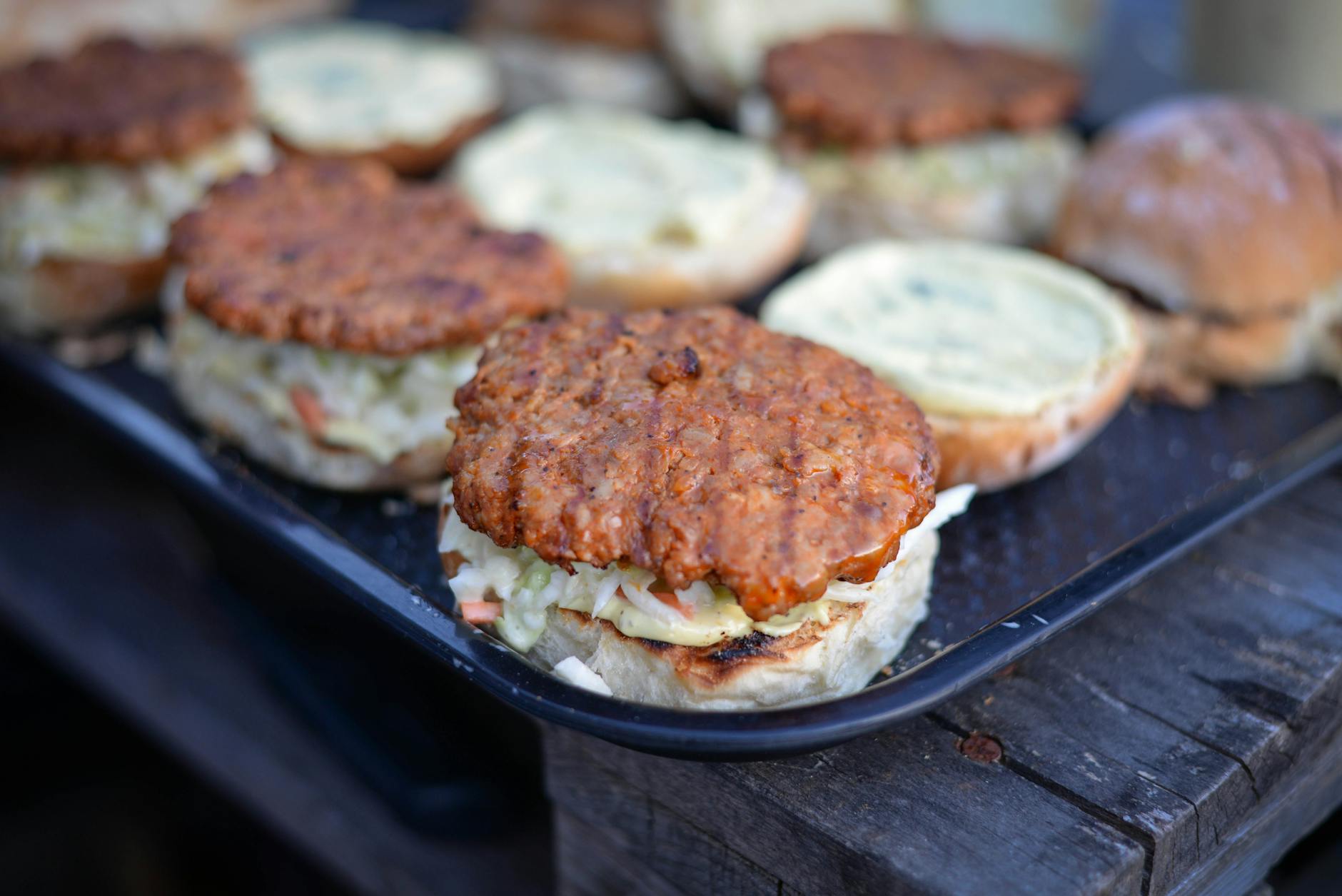
Introduction: Hooking Investors on a Cold Strategy
The question on many investors’ minds isn’t just about taste or texture. It’s about supply chains, margins, and whether a retailer’s shelving choice can tilt a stock’s future. When major retailers like Walmart and COSTCO shift Beyond Meat (BYND) products from the refrigerated display to the frozen food aisle, they’re signaling more than a packaging tweak. They’re signaling a strategic bet on how consumers shop and how brands compete in the crowded plant-based space.
For BYND shareholders and potential buyers, the real question is simple: will beyond meat's move unlock clearer demand signals and steadier sales, or will it reveal hidden costs that weigh on margins and cash flow? The impact of this shelving decision extends beyond the checkout line. It touches price points, promotional leverage, inventory risk, and the risk-reward math investors use to value a growth story tied to a volatile consumer trend. Below, we unpack the implications, offer real-world scenarios, and translate the shelf shift into actionable steps for investors.
The Move Explained: What It Means to Be Frozen-Ready
When a product leaves the fridge and lands in the freezer aisle, several things shift at once. Cold-chain requirements tighten. Turnaround times for restocking can lengthen or shorten depending on supplier agreements. Consumer behavior can also change: some shoppers view frozen plant-based options as convenient, value-packed meals for busy weeks, while others might perceive frozen items as less fresh than refrigerated counterparts.
For retailers, the freezer category is a mixed bag. It can offer higher velocity during promotions, more skus per square foot in certain layouts, and the ability to bundle with other frozen items (like vegan pizzas or veggie burgers). But it also necessitates reliable frost-free climates, energy considerations, and precise temperature controls to maintain product quality. In a market where margins are razor-thin for many plant-based foods, any drag on spoilage or stockouts can tilt profitability.
Beyond Meat’s move could be a signal that retailers want more predictable demand, especially during peak shopping periods. Freezer shelves can drive impulse buys when shoppers walk by frozen meals and see a product they already recognize. However, the flip side is inventory risk—frozen items often carry different markdown dynamics and shrink, which can pressure gross margins if demand cools faster than supply can be managed.
Why Retailers Are Embracing the Freezer Strategy
Retailers are adopting a two-part rationale. First, frozen formats can improve shelf stability and reduce perishable waste in some markets. Second, freezer aisles offer a different pricing and promotion dynamic—customers tend to engage more with complete meal solutions in the freezer, which can boost average order value when combined with beverages or sides.
From a shopper psychology standpoint, the freezer aisle is associated with “meal solutions” rather than single-ingredient purchases. This can help a nascent category—plant-based proteins—move from novelty to routine. For BYND, the move to freezer might be a strategic way to align with how households plan weekly meals, not just one-off dinners.
Still, not every retailer is convinced. Some regions have a stronger preference for fresh meat substitutes at refrigeration temperatures, where texture and mouthfeel can feel more immediate. The success of the move will depend on product formulation, packaging, and the ability to re-create the same consumer experience without the premium seen in some refrigerated formats.
Understanding the Financial Implications for BYND Stock
Investors are weighing several levers when evaluating will beyond meat's move and its impact on BYND stock. Here are the core factors to monitor in the coming quarters:
- Revenue trajectory: Will the freezer shift drive higher sales velocity or simply repack existing demand? Look for unit sales growth in major retailers and the rate of new store placements in the freezer category.
- Gross margins: Freezer SKUs can command different margins due to packaging, cold storage, and promotional costs. A marginally higher unit cost could be offset by faster inventory turnover if demand solidifies.
- Inventory and spoilage risk: Frozen products have different shrink patterns. Higher spoilage risk or longer restock cycles can affect cash flow and working capital requirements.
- Promotional cadence: Retailers may lean on price promotions to expedite freezer adoption. This affects profitability if markdowns increase or if promotions become the primary growth driver instead of unit volume growth.
- Brand perception and trial: Will beyond meat's move attract new households or mainly convert existing plant-based fans? Trial growth matters for long-term brand equity and repeat purchases.
In this context, the phrase will beyond meat's move becomes a shorthand for a broader strategic question: does a retailer-led rearrangement of shelf space translate into sustainable top-line momentum for the brand, or does it introduce costs that outpace the gain in sales velocity?
Three Realistic Scenarios for BYND Stock
To make sense of will beyond meat's move, consider three scenarios that reflect retailer behavior, consumer acceptance, and macro conditions. Each scenario includes a rough probability band and potential financial impact to BYND’s stock valuation. Note: these are illustrative, not precise forecasts.
| Scenario | What Happens | Impact on BYND Stock (Hypothetical) |
|---|---|---|
| Bullish Move (30-40% probability) | Freezer placement drives consistent volume growth, promotions convert new households, margins improve as restocks tighten while pricing remains stable. | Revenue growth accelerates 8-12% year-over-year; gross margin expands 1-2 percentage points; stock valuation re-rates higher on improved visibility. |
| Base Case (40-50% probability) | Freezer adoption sustains existing demand; promotions moderate; supply chain costs offset by steady turnover. | Mid-single-digit revenue growth; margins stable to modestly higher; BYND trades in a tighter range with less volatility. |
| Bearish Move (10-20% probability) | Inventory build, higher cold-chain costs, and aggressive promotions compress margins; some regions underperform. | Revenue flat to down slightly; gross margins compress 0.5-2 percentage points; valuation declines until demand re-accelerates. |
Will Beyond Meat's Move Influence Market Share and Competitive Position?
Plant-based meats remain a competitive category with players like Impossible Foods and private-label alternatives nipping at margins and market share. A successful freezer strategy could help BYND differentiate on convenience and meal-assembly potential, two factors that resonate with busy families and time-strapped professionals. However, equal exposure to price-sensitive consumers means BYND can’t rely solely on novelty. The move requires continued product quality, taste parity with real meat, and clear messaging about health and sustainability benefits.
From a competitive perspective, retailers gain a powerful incentive to feature plant-based options alongside other freezer meals—think frozen veggie burgers paired with gluten-free sides or dairy-free pizzas. If will beyond meat's move translates into higher trial rates and repeat purchases, BYND could gradually gain a more durable foothold in households that might not have walked into the plant-based aisle otherwise.
Investor Takeaways: How to Think About Will Beyond Meat's Move
Investors should approach the topic with a framework that blends consumer behavior, retailer strategy, and BYND’s own cost structure. Here are practical steps to build a disciplined view:
- Track retailer performance signals: Examine quarterly results from Walmart and COSTCO to see how freezer SKUs perform in different geographies and store formats. Look for changes in velocity, promotional cadence, and carryover into other plant-based lines.
- Review cost inputs: Analyze cold chain costs, packaging changes, and promotional spend related to freezer SKUs. If these inputs rise without a proportional gain in revenue, margins could be pressured.
- Monitor consumer trials: Use data from panel studies and retailer loyalty programs to gauge trial rates for BYND in the freezer. A rising trial rate can translate into sustainable repeat purchases.
- Assess pricing power: If freezer SKUs command premium pricing due to perceived convenience, BYND’s ability to maintain price points during promotions will matter for margins.
- Balance with macro factors: Inflation, household budget constraints, and shifts in grocery demand all influence how much consumers are willing to pay for plant-based options inside freezers.
In the end, the question becomes not only whether will beyond meat's move push sales higher, but whether it does so with a healthy margin profile and sustainable demand. If BYND can prove it can maintain or grow margins while expanding freezer-based demand, the stock could see a more confident path forward even in a competitive landscape.
Conclusion: The Market Is Watching, but the Narrative Is Not Finished
Will beyond meat's move be a turning point for BYND stock depends on a mix of execution, retailer cooperation, and consumer reception. Freezer placement offers clear benefits in terms of convenience, cross-shopping opportunities, and potential trial growth. Yet it also introduces cost dynamics that must be managed carefully. The best-read signals come from a combination of unit velocity, margin discipline, and the ability to translate more frequent, repeat purchases into durable revenue growth.
For now, investors should approach the topic with a balanced view that weighs immediate sales momentum against long-term profitability, brand equity, and the evolving competitive landscape. Will beyond meat's move matter over the next 12 to 24 months? The answer will hinge on how well BYND and its retail partners convert freezer exposure into loyal, repeat buyers who prefer plant-based protein as a staple, not a novelty.
FAQ
-
Q1: What does will beyond meat's move really mean for shoppers?
A1: It suggests retailers are testing how frozen formats can drive meal solutions. For shoppers, it can mean easier meal planning and potential promotions that encourage trying plant-based options in a new setting. -
Q2: How could this impact BYND stock in the near term?
A2: The stock could react to quarterly results showing improved freezer sales or to signs of higher cold-chain costs. Short-term moves may reflect promotional intensity, while longer-term trends depend on sustained margin performance and demand growth. -
Q3: Are Walmart and COSTCO better partners for plant-based products now?
A3: They are essential partners because their scale can accelerate category growth. If they prove that freezer SKUs can deliver reliable demand, it enhances the investment case for BYND and similar brands. -
Q4: Should I buy BYND stock because of the freezer strategy?
A4: Not as a single driver. Consider the broader fundamentals—cash flow, profitability runway, competitive dynamics, and the company’s ability to reach new households. Use the freezer move as one data point among many in a diversified approach.
Discussion