New Rochelle's Zoning Overhaul Sparks a Housing Boom
New Rochelle, a New York City suburb about 25 minutes by train, has quietly become a case study in how zoning reform can shatter bottlenecks. After a 2015 move to a downtown overlay and form-based code, the city is seeing a surge of mixed‑income housing and a steadier flow of project approvals. The rochelle housing surge proves that predictable approvals can unlock private capital and speed construction.
Predictable Approvals Change the Financing Landscape
The backbone of the approach is a clear playbook: developers who meet design standards and income targets can secure approvals within roughly 90 days. City officials say the timetable reduces entitlement risk and gives lenders a predictable path to return on investment.
"Our model prioritizes predictability and front-loads the requirements, removing the traditional political delays that plague many municipalities," said Adam Salgado, New Rochelle's commissioner of development. "We turn discretion into certainty by front-loading the standards."
Industry observers caution that the plan is not a panacea, but the data are encouraging. A local lender, who asked for anonymity, noted that financing conditions improved once the city could point to a defined entitlement window and a track record of timely closings.
How the Downtown Overlay Revitalized an Underutilized Core
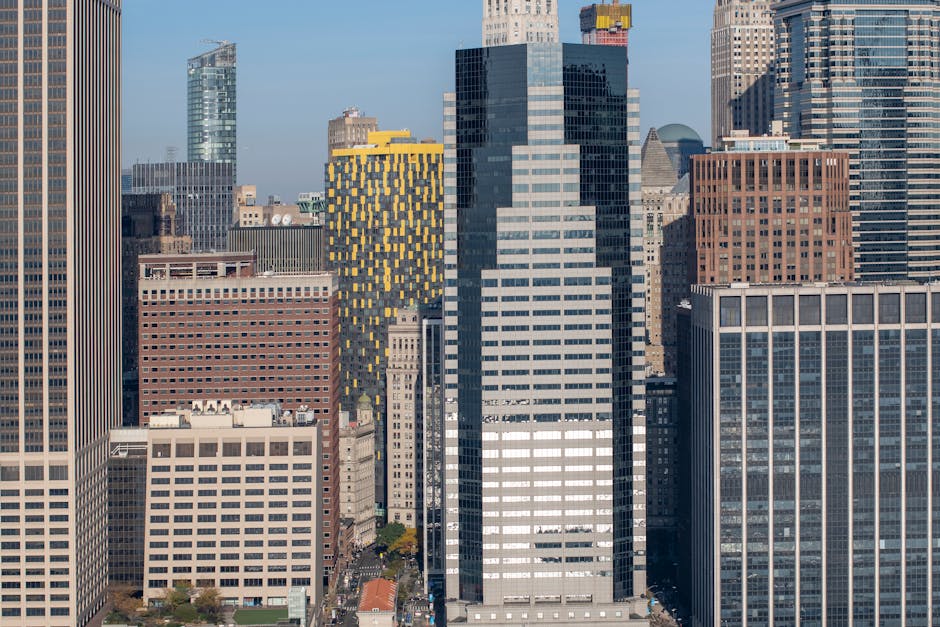
The overlay targeted moribund parcels and aging buildings, turning fragmented lots into developable opportunities. City officials argued that the traditional zoning approach had left downtown underused and growth stalled.
"We knew our downtown could perform better if we removed the friction that held back projects," Salgado said. "The upfront requirements are not red tape; they are a map for developers and lenders to work from."
Lenders, Developers and Residents: A New Business Model
Investors have welcomed the shift to supply-forward development. By prioritizing supply, the city argues, affordability improves as the market absorbs units faster and more units come online at lower risk of delays.
"It's really about supply-forward thinking," said Clark Ivory, CEO of Ivory Homes and a founder of Ivory Innovations, who supported the model as a national example. "When you speed approvals, you reduce risk and unlock capital that would otherwise sit on the sidelines."
Economic and Social Ripples Across the City
Locally, the housing push has stretched into the downtown corridor and beyond, helping to revive restaurants, retail and transit-oriented development. The city said thousands of units have already been added or approved since the rezoning, with many more in the pipeline. While the exact tallies vary by method, officials describe the trend as a meaningful shift in the region's housing supply curve.

National Implications and the Road Ahead
If New Rochelle's experience holds, more municipalities could adopt predictable approvals to accelerate mixed-income housing. Policymakers are watching closely as national housing policy debates intensify around zoning, density, and capital access.

Analysts note that the rochelle housing surge proves a key point for lenders and developers: clarity and predictability reduce the friction that raises costs and stalls projects. In a market where construction cycles can stretch for years, the ability to forecast timelines is a hidden asset in loan underwriting.
Key Data Points and Takeaways
- 2015 rezoning created a downtown overlay and shifted away from use-based zoning toward form-based codes.
- Approvals are targeted at about 90 days when projects meet design and income standards.
- The plan aims to unlock multiple thousands of housing units through existing parcels and new developments.
- New Rochelle was named a co-winner of the 2026 Ivory Prize for Housing Affordability in Policy and Regulatory Reform.
- The city sits roughly 25 minutes by train from New York City, underscoring its appeal for commuters and households alike.
Conclusion: A Model to Watch
As markets lean toward stability in 2026, the New Rochelle blueprint could become a blueprint for other towns seeking to modernize zoning and expand affordable housing. The rochelle housing surge proves that a well-structured, predictable process can attract capital, accelerate construction and reshape the urban core for years to come.

Discussion