
Hooked on Growth? Let’s Talk About Using Home Equity for Your Next Rental
Many homeowners dream of turning equity into a steady stream of rental income. The idea is simple: borrow against your home’s value and buy a property that rents well enough to cover the debt and still leave you with a profit. But the reality is more nuanced. The question you may be asking, sometimes phrased as should home equity next, deserves a careful look at costs, risks, and real-world numbers before you dive in.
Understanding Home Equity and Why It’s Tempting
Home equity is the portion of your home’s value that you truly own outright. It’s the difference between the current market value of your home and the remaining balance on your mortgage. When home prices rise or you pay down the principal, your equity grows. Many investors look at this built-up value as a resource they can tap to invest in more property. But tapping equity changes your debt and monthly bills, which in turn affects your overall financial health.
When people ask, should home equity next, they’re weighing two ideas at once: first, how much money they can borrow, and second, whether the rental investment will generate enough cash flow to cover the new loan and still pay the bills. The math isn’t magical; it’s about risk, rate, and real-world rent expectations. Here’s how to think about it clearly.
Ways to Tap Into Home Equity for Real Estate
There are several common paths to access equity for buying a rental property. Each has its own cost structure, risk, and timeline. Here are the main options, explained in plain terms:
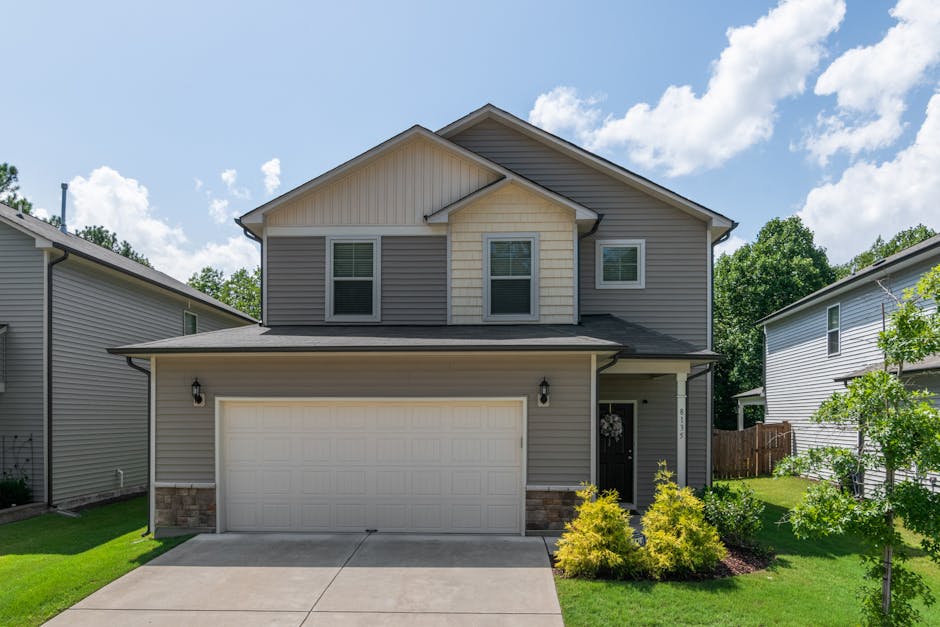
- HELOC (Home Equity Line of Credit): A revolving line of credit secured by your home. You can borrow as needed up to a limit, paying interest only on the amount you borrow. Rates are often variable, so a rate jump can change monthly payments. A HELOC is useful for down payments, property improvements, or bridging a purchase while you finalize financing.
- Cash-Out Refinance: You refinance your current mortgage for more than you owe and take the difference in cash. This is effectively replacing your existing loan with a larger one. You may secure a new rate and term, which can affect monthly payments for decades. This route is common when you want a lump sum to buy a rental property and like the idea of a single new loan.
- Home Equity Loan (Second Mortgage): A fixed-rate loan that gives you a lump sum at a fixed rate. You repay it over a set term. This can be a predictable option if you prefer stable payments and have a clear plan for repaying the loan with rental income.
- Cash-Out to Finance the Purchase Directly: In some cases, buyers close on the new rental using a cash-out option tied to a second mortgage on the primary residence or a bridge loan. This approach is fast but can be costly if rates move or terms are short.
Should Home Equity Next? Key Factors to Weigh
There isn’t a universal answer to should home equity next. It depends on your financial picture, the rental market, and how well you can cover debt service even if things don’t go as planned. Consider these factors carefully:
- Debt-Service Coverage: Lenders look at DSCR (net operating income divided by debt service). A DSCR above 1.25 is often the minimum that lenders like to see for investment property loans. If your new property’s cash flow falls short, you’ll be the one filling the gap.
- Interest Rates and Term: Rates have a big impact on monthly payments. A small change in rate or a longer loan term can turn a positive cash flow into a break-even or negative one.
- Cash Flow vs. Equity Withdrawal: If you pull too much equity, you may be left with a high loan-to-value ratio on your primary residence. A drop in home prices or a longer vacancy could stress your finances.
- Tax Considerations: Interest on mortgage debt used to buy or improve rental property is generally deductible against rental income, and depreciation on the rental can shelter some income. Consult a tax pro to understand your situation.
- Market Realities: Local rent growth, vacancy rates, and maintenance costs vary widely. A hot market can strengthen the case for growth, but a downturn can hit cash flow hard.
- Your Personal Margin of Safety: Do you have emergency savings and a plan to cover at least 6–12 months of missing rent or repairs? If not, pulling equity could be risky.
How to Do the Math: A Practical Step-by-Step Plan
Before you pull any trigger, build a clear, numbers-driven plan. Here’s a simple, repeatable process you can use to decide if should home equity next is a smart move for you.

- Set Your Target Property Budget: Decide how much you’re willing to borrow and what price range you’ll consider for your Next Rental. Include a 10–15% cushion for closing costs, rehab, and unexpected repairs.
- Estimate Rent and Expenses: Research local rents for the property type you want. Estimate property taxes, insurance, HOA (if any), property management (usually 8–12% of rent), maintenance (1–2% of value per year), and vacancies (about 5–10% of gross rent).
- Model Different Equity Scenarios: Calculate monthly cash flow for different lending options (HELOC vs cash-out refi vs home equity loan) and different equity amounts (e.g., $50k, $100k, $150k).
- Check DSCR for Each Scenario: Does the rental cover debt service with a comfortable margin? If not, adjust price, rent, or down payment amount.
- Factor in Tax Effects: Add back tax benefits from interest deductions and depreciation to your net cash flow. A tax professional can tailor this to your situation.
- Plan for Refinance or Sell Down the Line: If your property appreciates or you want to pull equity again, have a plan for a future refinance or sale that preserves your overall financial safety net.
Real-World Scenario: A Concrete Illustration
Let’s walk through two practical scenarios to illustrate how the numbers can play out. These examples use realistic figures for a typical aspiring investor in many U.S. markets, but your numbers will vary by location.
Scenario A: Modest Equity, Positive Cash Flow
- Primary residence value: $520,000
- Current mortgage balance: $320,000
- Home equity: $200,000
- Target rental price: $360,000 property
- Cash-out amount: $100,000 via cash-out refinance at 7.0% for 30 years
- New loan payment (P&I): about $665 per $100k, so ~ $665 (for 100k). Total P&I for 100k ~ $1,000-1,100 after taxes and fees, but we’ll use $1,000 as a baseline.
- Estimated rent: $2,800 per month
- Other annual expenses: taxes $3,500; insurance $1,000; maintenance and vacancies $3,500; property management (10%) $3,360
Cash flow calculation (monthly): Rent 2,800 – debt service (estimated 1,000) – management (300) – taxes/insurance (about 300/mo equivalent) – maintenance (290) ≈ 610 per month positive. That’s about $7,320 per year in cash flow after debt service and operating costs, assuming conservative vacancy and maintenance. This is a reasonable positive outcome if the rental market remains steady.
Scenario B: Higher Equity, Higher Risk
- Rental purchase price: $500,000
- Cash-out amount: $150,000 at a 7% rate
- Estimated rent: $3,200 per month
- Debt service: ~ $1,200 per month
- Other annual costs: taxes $4,000; insurance $1,200; maintenance $4,000; management $3,840
In this scenario, monthly cash flow is tighter: about $800 per month before reserves and capital expenditures. If vacancy rises or major repairs pop up, the margin could disappear. This example shows why should home equity next isn’t a slam dunk—it hinges on predictable rent, prudent leverage, and strong cash flow margins.
Common Pitfalls to Avoid
Even with a well-structured plan, several mistakes can derail your plan to use home equity for the next rental:

- Over-Leveraging: Pulling too much equity can leave you with a high loan-to-value on your primary home and little buffer if property values dip or if rates rise.
- Underestimating Repair Costs: CapEx needs can surprise you. A pad for repairs, new roof, or HVAC replacement can easily run into tens of thousands of dollars over a few years.
- Ignoring Vacancy Risk: Renters don’t always fill vacancies quickly. Build in a vacancy cushion of at least one month every year.
- Underestimating Taxes: Mortgage interest and depreciation have tax implications. A tax professional helps prevent surprises at tax time.
- Bad Timing in Rate Environment: If you lock in a cash-out loan during a rising-rate environment, you might regret the higher payments later if rents don’t rise fast enough.
When Should You Revisit the Question: Should Home Equity Next?
The bottom line is: there’s no one-size-fits-all answer. If you can achieve a stable cash flow with a reasonable DSCR, keep your job and other debt in good shape, and have a solid plan for maintenance and vacancies, tapping equity could be a smart move. If any of these pillars are weak, the risk grows significantly. Use this framework to reassess periodically:
- Recalculate cash flow after every major rent change or expense shift.
- Review your personal debt load and your emergency fund before signing new loans.
- Keep an eye on interest rate trends and loan terms that affect long-term cost.
- Update tax and depreciation estimates with a CPA as you add properties.
Actionable Steps to Move Forward
If you decide to pursue “should home equity next” as a strategy, here’s a practical action plan you can start today.

Pull your current home value, loan balance, and usable equity. Use a mortgage calculator to estimate monthly payments under several loan options (HELOC, cash-out refi, home equity loan). Create a one-property model with conservative rents, a 5–10% vacancy assumption, 1–2% annual maintenance, and 8–12% management costs. Compute DSCR for each financing option. Talk to a mortgage broker about what you qualify for, and speak with a CPA about tax implications and depreciation schedules for the rental. Open a separate reserve fund for the rental. Target six months of total debt service and operating expenses, at minimum. Decide whether you’ll refinance again later, hold long-term, or sell if your equity grows or your goals change.
Frequently Asked Questions
Q1: Should home equity next always be used to buy another rental?
A1: Not necessarily. It depends on your cash flow, risk tolerance, and the rental’s ability to cover debt service. Use a DSCR-based plan and a clear buffer for vacancies and repairs before deciding.
Q2: Are HELOCs a good option for financing a rental purchase?
A2: HELOCs offer flexibility and lower initial costs, but rates can be variable. If you expect rents to rise or you plan to pay off quickly, a HELOC can work. If rates spike, payments can rise fast, so ensure you can handle that.
Q3: How much equity should I pull at once?
A3: The right amount depends on your DSCR targets, loan terms, and how much you’re willing to risk. Many investors start with 20–40% of the purchase price as a down payment or equity pull and scale up as cash flow proves stable.
Q4: What about taxes and depreciation?
A4: Mortgage interest on a rental loan is typically deductible, and depreciation on the property’s value provides a yearly tax shield. A tax pro can tailor this to your situation and help you maximize after-tax cash flow.
Conclusion: A Thoughtful Path to Growth, Not Guesswork
Using home equity to buy your next rental can accelerate growth, but it also amplifies risk. If you answer should home equity next with a careful plan—grounded in solid cash flow, protective reserves, and a clear exit strategy—you’ll be in a stronger position than someone who leverages blindly. Remember to compare different financing options, stress-test scenarios with DSCR and vacancy buffers, and consult professionals who can translate income taxes and depreciation into real, tangible numbers for your situation.
In the end, the smartest approach is not simply about leveraging equity, but about leveraging discipline—cash flow discipline, reserve discipline, and a plan you can stick to even when markets wobble. If you’ve done the math and the numbers align with your risk tolerance, then should home equity next could be a viable path toward your next rental property—and a steadier long-term income stream.

Discussion