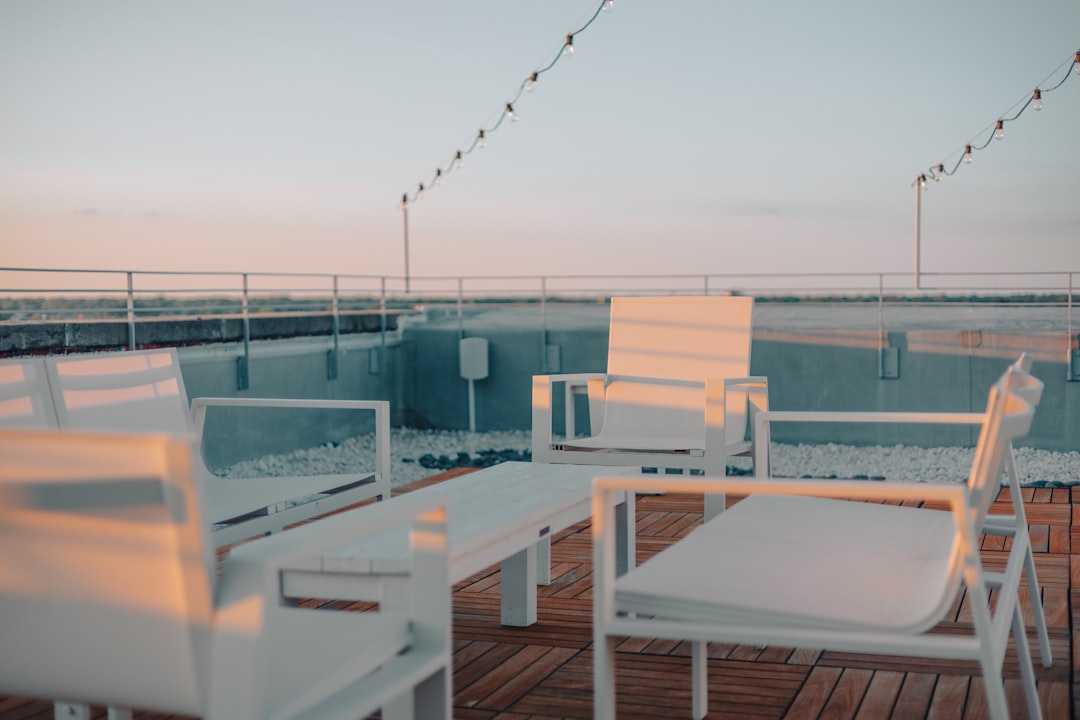
Introduction: Why Casual Nights Outdoor Spaces Are Changing Home Life
If you’ve noticed more evenings stretching into the night with the outdoors as a backdrop, you’re not imagining it. A growing share of American households is prioritizing simple, low-pressure moments outside, especially during spring and summer. The idea isn’t just about nicer weather; it’s about rethinking how we cook, gather, and unwind at home. When casual nights outdoor spaces become a routine, they touch many parts of personal finances — from upfront investments to ongoing energy costs and even how you socialize with friends and family.
The Trend in Plain Language: What the Data Say
A nationwide survey of 2,000 Americans, balanced across genders, reveals a clear desire for low-pressure living that leans on outdoor time. Nearly half of respondents (about 47%) want a relaxed, non-stressful season. Another 30% aim to maximize outdoor time, while 30% treasure simple, backyard moments like barbecues or pizza nights. Roughly a quarter describe their ideal vibe as social yet easygoing. Taken together, these answers point to a broader shift: outdoor cooking and dining are no longer occasional pleasures but everyday habits woven into daily life.
In this shift, outdoor cooking stands out as a centerpiece. A strong majority say it should feel effortless and casual, not a formal or high-maintenance ritual. When gatherings happen, people prefer small groups and low-effort hangouts, with many pairing the experience with outdoor meals that feel ordinary and welcoming. The trend suggests that grilling and outdoor dining are becoming a normal, everyday part of how families live and connect — not just a weekend project.
How This Trend Affects Your Wallet (In Plain Terms)
The idea of casual nights outdoor spaces isn’t just about aesthetics. It’s a practical shift that changes how households spend money. Here’s how it can influence budgets in real ways:
- Upfront costs vary but can be modest or meaningful. A lean outdoor setup with a small grill, seating for four, and weatherproof lighting can start around a few thousand dollars. If you want a more complete outdoor living room with a deck, built-in seating, and a weatherproof kitchen, costs can climb into the five-figure range.
- Maintenance and energy matter. Outdoor spaces use electricity (lighting, fans), propane or electric grills, and seasonal maintenance. Smart choices now can save money later.
- Eating at home shifts from takeout to al fresco dining. Casual nights outdoor spaces can lower dining costs by cutting restaurant trips and delivery fees, especially for families who host regularly.
- Home value can rise with well-executed upgrades. Thoughtful outdoor improvements can boost curb appeal and usable living space, which matters if you plan to sell in the next 5–10 years.
For many households, the payoff isn’t just financial. The lifestyle benefits — more time outside, simpler entertaining, and less pressure to keep indoor spaces pristine for guests — are often the strongest motivators. It’s not unusual to see a family shift a portion of their monthly entertainment budget toward outdoor updates that create lasting memories.
Budgeting for Casual Nights Outdoor Spaces: A Practical Guide
You don’t need a expensive overhaul to start enjoying casual nights outdoor spaces. A thoughtful plan can deliver cozy, functional spaces without breaking the bank. Here’s a straightforward roadmap.
1) Define your goals and space
Start with a quick audit of your outdoor area. Measure the space, note sun and shade patterns, and list the core activities you want to support — grilling, lounging, dining, and storage. If you’re unsure, begin with a 2-zone layout: a prep-and-cook zone near the kitchen door and a dining-and-lounging zone farther out. This keeps traffic simple and creates natural conversation spaces.
2) Pick a core budget tier
Outlined below are three common budget tiers with realistic components. You can mix and match as your goals and finances allow.
- Budget Tier (Under $3,000) Small grill, four chairs, a compact table, weatherproof string lights, and a durable outdoor rug. Focus on weather resistance and easy maintenance.
- Mid Tier ($3,000–$12,000) A modest deck or patio upgrade, seating for six to eight, a larger grill or outdoor kitchen module, shade options (awning or pergola), and integrated lighting. This tier balances function and comfort for regular entertaining.
- Premium Tier ($12,000–$40,000+) A full outdoor living room or kitchen, built-in storage and seating, high-end weatherproof furniture, climate control (fans or heaters), and smart lighting. This level expands usable time into shoulder seasons and sleep-friendly evenings.
3) A basic itemized starter list
- Grill or outdoor cooker (propane, electric, or pellet)
- Four to six weatherproof chairs and a small table
- Weather-resistant rug and porch/step mats
- Outdoor lighting (string lights or solar lamps)
- Shade or shelter (umbrella, canopy, or small pergola)
- Storage for cushions and tools
With these items, a family can enjoy several months of casual nights outdoor spaces without a big upfront investment. As you get more comfortable, you can add a dedicated dining table, a fire pit, or a more immersive cooking setup.
Income, Savings, and Financing: Making It Work
Financing outdoor upgrades is common, but you can approach it in a way that protects other finances. Here are practical options:
- 0% APR promotions on store cards or consumer credit cards can shrink interest costs if you pay in full within the promo period.
- Home improvement loans provide fixed rates and terms tailored to larger projects, helping you budget for a mid-tier upgrade.
- HELOCs or refinancing can finance bigger projects, especially if you’re also updating other areas of your home. Watch for variable rates and plan for rate changes.
- DIY approaches can cut costs dramatically. Refinish existing decks, repaint furniture, and swap out cushions to refresh a space without heavy spending.
Energy, Safety, and Maintenance: A Smart Mindset
Casual nights outdoor spaces involve ongoing considerations. Here are practical points to keep costs contained and safety high:
- Energy efficiency opt for LED lighting, solar-powered options, and energy-smart outdoor plugs. Solar lights reduce electricity use and simplify setup.
- Weatherproofing invest in covers and durable fabrics rated for sun and rain. This extends life and reduces replacement cycles.
- Safety ensure grill placement has clearance from walls and furniture, keep a fire extinguisher accessible, and use flame-resistant cushions. Yearly inspections of outdoor electrical outlets prevent shocks and shorts.
- Care routine store cushions and fabrics during off-season, wash outdoor textiles, and seal wood surfaces every 2–3 years to preserve appearance and prevent rot.
The Social Side: How Casual Nights Outdoor Spaces Replace Some Ordinary Outings
One of the strongest reasons people invest in outdoor spaces is social convenience. Hosting at home with casual, outdoor vibes reduces the effort and cost of going out. When friends and family gather outdoors, you control the environment, timing, and food choices. This can make entertaining more frequent yet affordable, especially when compared with restaurant dinners or party venues.
Consider the practical benefits: predictable costs, fewer delivery fees, and the flexibility to scale up for birthdays, game nights, or simple pizza Fridays. It’s not just about saving money; it’s about building a recurring rhythm of connection that doesn’t demand a lot of planning or expense.
Three Real-Life Scenarios: Budget, Mid-Range, and Premium
To bring these ideas to life, here are three practical scenarios showing how a family could approach casual nights outdoor spaces in different budgets.
Scenario A — The Budget Starter (Under $3,000)
A small apartment yard or patio gets a fresh start with a compact grill, four durable chairs, a bistro table, string lights, and a weatherproof rug. The family enjoys pizza nights and occasional burgers after work. They focus on portability and ease of cleaning. Over the season, they add a small storage bin for cushions and a simple shade umbrella. Some DIY refinishing of a wooden bench seals the look without extra costs.
Scenario B — The Balanced Mid-Range (About $6,000–$12,000)
A mid-sized patio adds a deck area, seating for six to eight, a larger grill or outdoor cooker, a shade structure, and integrated lighting. The family hosts regular barbecues, sets up a dedicated dining space, and uses a weatherproof lounge area for movie nights outdoors. They might upgrade to a small outdoor kitchen module with a sink and extra counter space, making cleanup easier and entertaining more convenient.
Scenario C — The Year-Round Experience ($15,000–$40,000+)
This setup includes a full outdoor living room or kitchen with built-in storage, high-end weatherproof furniture, climate control like ceiling fans or heaters, and smart lighting that adapts to sunset times. The family can entertain outdoors late into spring and early fall, even in cooler weather. This level of investment often increases usable space, enhances curb appeal, and supports longer hosting seasons.
How to Measure Value: When Outdoor Upgrades Make Sense
Investing in casual nights outdoor spaces can be sensible for several reasons:
- Lifestyle payoff more time outdoors, less hustle to organize indoor gatherings, and a simpler hosting routine.
- Resale value well-designed outdoor spaces can boost appeal for future buyers without major internal renovations.
- Cost management you gain control over when and how you socialize, which can reduce impulsive spending on takeout and paid events.
- Energy and resilience efficient lighting and climate control keep energy costs predictable while extending usable hours outdoors.
Conclusion: Embracing Casual Nights Outdoor Spaces with Confidence
The shift toward casual nights outdoor spaces reflects more than a seasonal preference. It’s a practical reimagining of home life that blends comfort, simplicity, and social connection with meaningful financial decisions. By starting small, budgeting deliberately, and upgrading as needed, you can create outdoor spaces that fit your lifestyle and your wallet. The aim isn’t to chase trendiness but to foster everyday moments that add up to a richer sense of home and community.
FAQ
-
What makes a space ideal for casual nights outdoor spaces?
Look for a spot with good shade, a flat surface, and easy access to the kitchen for prep and cleanup. A simple grill or outdoor cooker, a small dining setup, and weatherproof seating can create a flexible, welcoming space for dozens of evenings each season.
-
How should I start planning on a tight budget?
Begin with the essentials: a compact grill, four chairs, a small table, and outdoor lighting. Use durable, weatherproof materials and consider DIY improvements (refinish old furniture, repaint cushions). Add pieces gradually as you use the space and confirm what works best for your family.
-
Will outdoor upgrades boost my home value?
Yes, when designed well and built to last. Outdoor living areas that extend usable space, provide reliable seating, and improve curb appeal can raise perceived value and attract buyers, especially if the space is low-maintenance and weather-ready.
-
Are electric grills worth it for casual nights outdoor spaces?
Electric grills are convenient for apartments or places with fire restrictions and can be cheaper to operate. They’re easy to clean, quiet, and pair well with a simple outdoor layout. If you host frequently and value speed, they’re a solid choice.


Discussion