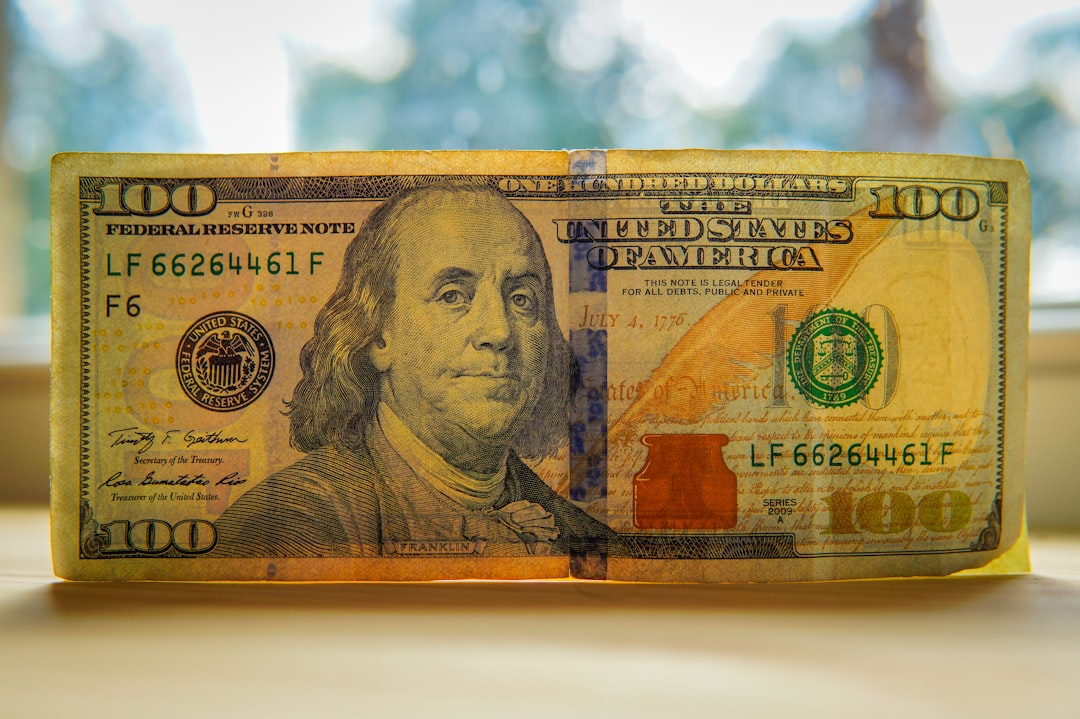
Introduction: How a Simple Cash Exchange Can Turn into a Fraud Nightmare
You don’t have to visit a crowded back alley to encounter risk when buying or selling precious metals online. In fact, some of the most costly scams happen in ordinary, in-person cash exchanges during online marketplace deals. A recent wave of cases shows that counterfeit $100 bills turned two straightforward gold deals into fraud investigations, reminding all of us that high-ticket cash transactions demand extra caution. This article breaks down what happened, why counterfeit $100 bills turned out to be so dangerous in these scenarios, and concrete steps you can take to protect yourself—whether you’re selling a few ounces of gold or buying a larger lot of gold and silver bars.
What Happened: Two Marketplace Deals, Two Counterfeit Cash Encounters
In one version of the story, a seller and a buyer arranged a gold bar purchase worth thousands of dollars through a popular online marketplace. The buyer handed over cash in $100 bills, and as the recipient counted the notes, the buyer grabbed the bars and fled. The seller later discovered that the majority of the cash—about $8,300 out of $8,500—was counterfeit. In a separate incident, a different seller agreed to exchange gold and silver bars valued at roughly $5,700. After the cash was exchanged, the buyer left with the metals and the seller found that most of the money—around $5,600—was counterfeit. These cases illustrate a troubling pattern: counterfeit $100 bills turned routine cash exchanges into high-stakes fraud, especially when precious metals are involved. The fraud often unfolds quickly, with the scammer relying on the confusion of the moment to escape with valuable merchandise before the counterfeit cash is detected.
Why Counterfeit $100 Bills Turned These Deals Into Fraud
High-denomination notes like the $100 bill are favored by counterfeiters for a few practical reasons. First, they reduce the physical bulk of a high-value transaction—pay a large amount with fewer notes. Second, a stack of $100 bills can create an impression of legitimacy when counts are performed quickly. Third, in the heat of a live exchange, a seller may feel compelled to move the deal along and minimize delays, leaving more room for a counterfeit note to slip through. When the cash is counterfeit, the seller is left with losses and the criminal departs with precious metals that have already changed hands. The effect is not just financial but procedural: the seller must sift through the cash, verify serial numbers, and coordinate with law enforcement, while the criminal often disappears across jurisdictional lines. This combination—high value, cash, and the immediacy of an online deal—creates fertile ground for counterfeit $100 bills turned into fraud.
Beyond the specifics of these two cases, industry and law-enforcement sources note that counterfeit cash remains a real risk in person-to-person trades, especially when it involves luxury or high-demand items. Counterfeiters constantly adapt their tactics, which means ordinary precautions can’t be optional. A thoughtful, multi-layered approach helps keep you safe, even when the lure of a quick deal is strong.
How to Protect Yourself: A Practical, Step-by-Step Guide
The core lesson from these cases is clear: use safeguards that stop counterfeit money before it changes hands. Here’s a practical playbook you can apply to any high-value buy or sell on online marketplaces.
- Prefer traceable, secure payments: Bank transfers, PayPal’s verified business transactions, or reputable escrow services offer a paper trail and buyer/seller protections that cash does not. If you choose to accept cash, structure the deal around observable, verifiable steps and cash-handling protocols.
- Use a reputable escrow service: When a buyer insists on cash because the price seems too good to be true, steer the deal to an escrow service that releases funds only after both sides approve delivery and verification.
- Meet in a safe, monitored location: If an in-person exchange is necessary, opt for a police station parking lot, a bank lobby, or another secure public space. Bring a trusted friend or family member, and record the transaction with a timestamped photo and video if allowed by local policy.
- Inspect cash on the spot with a plan: If cash is involved, count and verify cash in the presence of the other party. Use a counterfeit-detection pen, a UV flashlight, and a small magnifier to inspect security threads and watermarks. Consider using several detectors in tandem rather than relying on a single check.
- Verify notes against known security features: Current U.S. notes include color-shift ink on the numeral, 3D security ribbons, watermarks, and microprinting in specific fonts. Familiarize yourself with the latest features so you recognize anomalies at first glance.
- Get everything in writing: A simple, clear bill of sale that lists the exact items, quantities, serial numbers (where applicable), payment method, and meeting location can save headaches later. Keep copies for your records.
Red Flags: Indicators That Things Aren’t Right
Learning to spot warning signs can prevent you from becoming a victim. Look for these red flags in any online marketplace deal involving cash or precious metals:
- Cash-first mindset: The buyer presses for cash and tries to speed up the process beyond reasonable limits.
- Vague location details: The seller can’t provide a verifiable meeting place, or requests a location with minimal security or witnesses.
- Suspiciously “too good to be true” prices: A deal that looks significantly below market value should raise eyebrows and trigger a more thorough check.
- Cash-count confusion: The buyer claims counterfeit cash is common and asks you to hurry counting without proper checks.
- Pressure to skip verification steps: Asking you to skip the counterfeit checks or to rely on a single verification method is a major red flag.
Real-World, Step-by-Step Protections for Sellers and Buyers
Whether you’re a seller or a buyer, these concrete steps help reduce risk when dealing with high-value items through online marketplaces:
For Sellers
- Ask for a traceable payment method before meeting—prefer escrow or a bank transfer.
- Only handle cash with simultaneous verification: count in a secure area, use detectors, and require the buyer to confirm the count aloud before handing over the item.
- Record the transaction details: time, date, location, item description, and payment method. Photograph the cash in your possession before the exchange completes.
- Limit the amount you accept from a single buyer in cash. If possible, negotiate a cap on cash value per deal and split larger transactions into multiple steps with protection.
For Buyers
- Offer to use an escrow service or bank transfer rather than cash whenever possible.
- Be transparent about your identity and contact information, and insist the other party records the agreement in writing.
- Carry a counterfeit-detection kit and a small UV flashlight. Practice verifying notes with a quick routine before the exchange.
- Never press for a fast turnover if the seller shows hesitation about verification steps.
What to Do If You Suspect Counterfeit Cash
Even with precautions, you might encounter questionable cash. Here’s a practical action plan if you suspect counterfeit $100 bills turned your deal into trouble:
- Stop the exchange immediately: Do not complete the transaction or move the item until you’ve completed verification steps.
- Separate the cash: Do not mix counterfeit notes with valid currency. Place them in a separate, uncirculated bundle if possible.
- Document everything: Take clear photos of the notes, serial numbers, and your surroundings during the exchange. This evidence helps investigators.
- Engage authorities: Contact local law enforcement or your country’s currency fraud bureau. Provide serial numbers and a timeline of events.
- Visit your bank: If you suspect counterfeit cash, don’t attempt to deposit it. Bring the notes to your bank for testing; banks can confirm counterfeit status and guide next steps.
Putting It All Together: A Roadmap for Safer Marketplace Trades
Counterfeit $100 bills turned private sales into fraud in real-world settings, reminding us that vigilance matters in every high-value transaction. By combining prudent payment choices, robust verification methods, and thoughtful meeting logistics, you can dramatically reduce your risk and protect your hard-earned money. The goal isn’t to fear every cash transaction, but to approach each high-value exchange with a clear, repeatable process that shelters you from fraud while preserving an efficient transaction experience.
Conclusion: Stay Smart, Stay Safe, and Don’t Let Counterfeit $100 Bills Turn Your Trade Into a Fraud Scare
Deals involving gold, silver, and other precious metals offer a compelling path to diversify wealth, but they come with unique risks—especially when cash is involved. The stories of counterfeit $100 bills turned two online gold deals into fraud cases serve as a stark reminder: protect yourself with a plan, use trusted intermediaries, and verify every note before you share or exchange ownership. By adopting the steps outlined above, you’ll be better prepared to spot red flags, avoid counterfeit notes, and close deals with confidence. Remember: the safest path is to use secure, traceable payment methods and to insist on verification at every stage of a high-value trade.
FAQ
Q1: What should I do immediately if I suspect counterfeit cash in a trade?
A1: Stop the exchange, separate the notes, document everything with photos, report to local law enforcement, and consult your bank about counterfeit testing. Do not deposit or pass along the suspected notes.
Q2: How can I protect myself when selling or buying precious metals online?
A2: Use escrow services or bank transfers, verify the buyer/seller identity, meet in safe public locations, and verify cash only after visible, on-the-spot checks or avoid cash entirely for high-value transactions.
Q3: Are there signs a cash payment might be counterfeit?
A3: Yes. High-pressure sales tactics, vague meeting details, cash-heavy deals, or requests to skip verification steps are major warning signs. Also, counterfeit notes often show telltale misprints, faded ink, or unusual texture when checked with detectors.
Q4: What payment methods are best for high-value online trades?
A4: Bank transfers, established escrow services, and payment platforms with buyer/seller protections tend to be safer than cash exchanges, especially for rare metals and large quantities.

Discussion