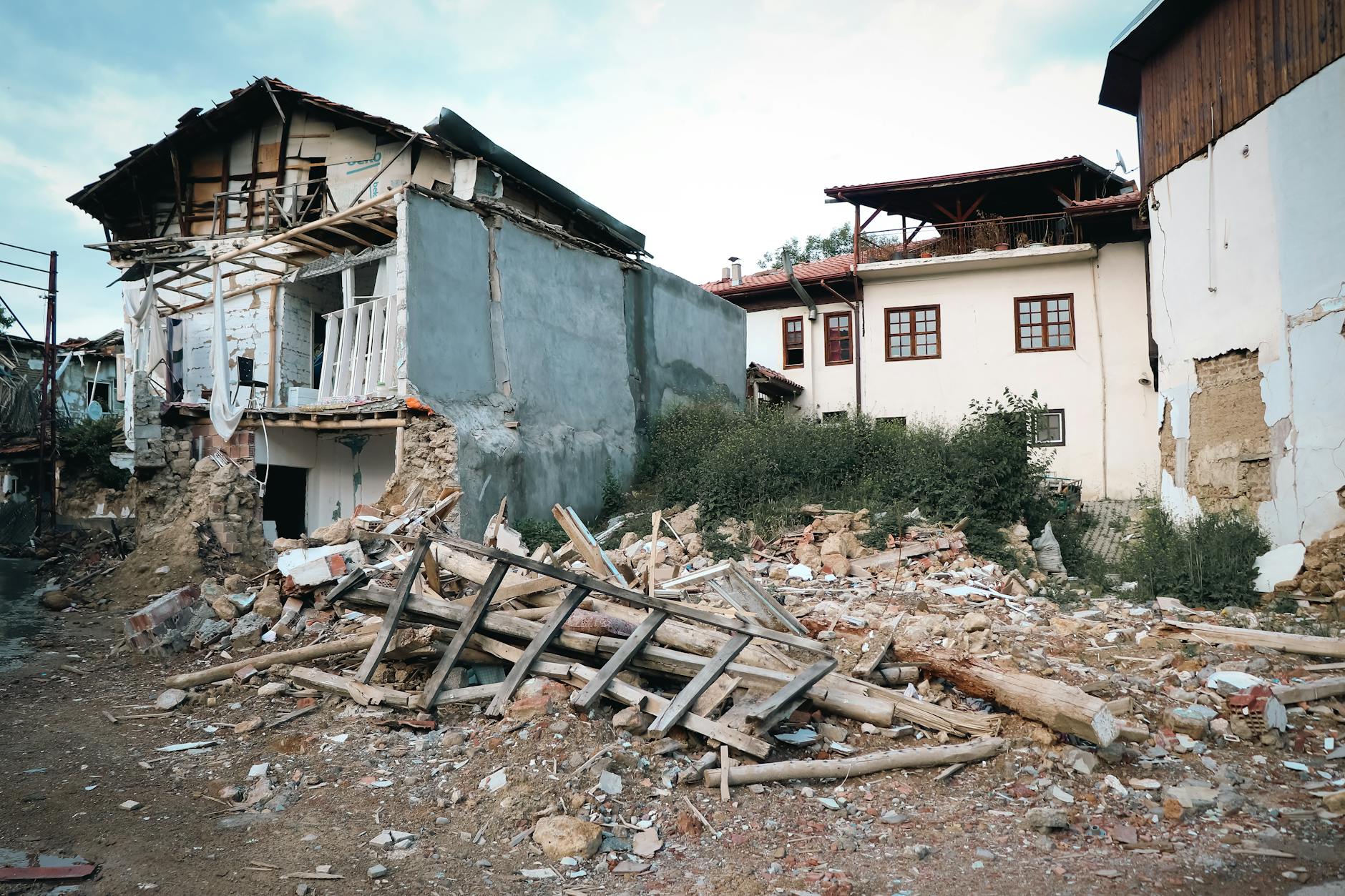
Breaking News: Toxic Metals Found In Debris From White House Dumped At Public Golf Course
In a development that could reshape how the government handles large-scale demolition projects, a federal interim report confirms that debris from white house rubble dumped at a nearby public golf course contains toxic metals such as lead and chromium. The finding, released this week by the National Park Service, raises new questions about environmental safety, accountability, and the bill taxpayers may face for cleanup and remediation.
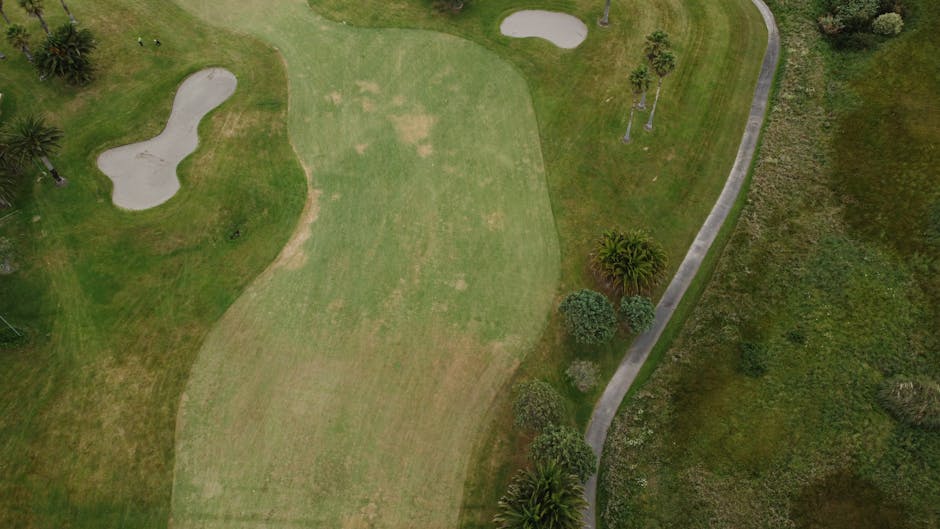
The report centers on the fate of roughly 30,000 cubic yards of rubble from the demolished East Wing. Officials say the material was stockpiled and then transferred to a public facility about two miles from the White House. As of April, more than 2,000 truckloads had been moved to the East Potomac Golf Links site, which the administration has also earmarked for a future renovation project.
Officials stress that the testing was conducted under standard federal procedures, and that multiple independent firms participated in the sampling. Yet the presence of contaminants complicates the narrative around the demolition and the associated budget, especially as taxpayers review the cost of remediation and long-term oversight.
“Testing followed all applicable standards,” a Department of the Interior spokesperson said in a written statement. “The process was designed to ensure safety for workers and the surrounding community.” The department cautioned that soil conditions and exposure pathways warrant ongoing observation, with additional sampling planned in the coming weeks.
What the New Findings Show
The interim sampling was conducted by Jacobs Engineering Group Inc., a long-standing contractor for federal projects. The lab results show detectable levels of lead, chromium, and other metals associated with structural debris and older construction materials. Public health officials emphasize that elevated metals in soil do not automatically mean immediate danger, but they do require careful risk assessment and targeted remediation to prevent exposure to golfers, maintenance workers, and nearby residents.
Environmental advocates say the findings underscore the complexity of large-scale federal projects. While a private renovation plan for the East Wing has been proposed to help reduce security risk, the operation has shifted more toward logistics and community impact, particularly around a public golf course that sits within a stone’s throw of federal offices.
Timeline, Scale, and Local Impact
- Rubble volume: roughly 30,000 cubic yards from the East Wing demolition.
- Transfer route: rubble moved to East Potomac Golf Links, about 2 miles from the White House.
- Shipment pace: more than 2,000 truckloads as of April, with ongoing transfers planned.
- Testing results: soil samples show lead, chromium and other metals; further analysis scheduled.
- Current status: the golf course remains open in some areas while remediation plans are finalized.
The East Potomac site is a public facility that also sits at the heart of a broader plan to upgrade nearby recreational infrastructure. Officials say the dual use of the site for proposed renovations complicates budgeting and raises questions about land-use priorities, especially in a capital region known for tight funding and high-profile projects.

Financial Implications for Taxpayers
Finance watchers are now nervously weighing the potential price tag of cleanup and long-term monitoring. Early internal estimates place remediation costs in the high hundreds of millions of dollars, with some officials suggesting a range that could stretch into the low billions if deeper soil contamination or groundwater pathways are identified.
Taxpayer responsibility looms large as the government navigates contractual obligations with Jacobs Engineering and any subcontractors, plus costs tied to site rehabilitation, ongoing monitoring, health and safety measures, and potential litigation settlement exposure. The Administration has signaled a commitment to transparency, but date-specific budgetary disclosures remain a focal point for lawmakers and local stakeholders alike.
Analysts say the debris from white house case could become a touchstone for how federal agencies manage environmental cleanup obligations tied to politically sensitive demolitions. If the project is scoped as a security enhancement, some argue it could complicate risk-and-compliance tradeoffs, pushing costs higher and timelines longer.
Accounts From Officials and Experts
Environmental health experts caution that contaminant presence does not automatically translate into an immediate health crisis, but it does demand careful risk communication and robust remediation plans. Dr. Elena Ruiz, an environmental science professor at a nearby university, notes that exposure risk depends on soil disturbance, moisture, and how often people come into contact with contaminated soils.
“The key now is to isolate the contaminant source, prevent direct contact and ensure that any future soil removal or replacement uses vetted methods that meet federal standards,” she said. “It’s a test case for balancing national security agendas with public health and fiscal responsibility.”
On the government side, Interior Department officials stress that the project follows established guidelines for demolition waste handling, soil testing, and protective measures for workers. A spokesperson added that the department plans to publish additional findings as they become available and to adjust remediation plans in light of new data.
What Comes Next for the Golf Course and Nearby Residents
- Expanded soil testing around the East Potomac site and adjacent properties will determine how far contaminants may have migrated.
- Remediation strategies could include soil excavation, capping, or stabilization, depending on the deeper analysis results.
- Maintenance and operation schedules at the golf course may be adjusted to minimize public exposure during remediation.
- Regulatory oversight will likely increase, with potential updates to environmental compliance reporting and public disclosures.
- Lawmaker briefings and public hearings could shape funding timelines and accountability measures for the cleanup effort.
Local residents and golfers have watched this process with growing concern about safety and the reliability of the public space they use. The administration’s wider plan to modernize the area could be impacted if cleanup costs escalate or if remediation requires extended course closures or relocation of facilities.
Bottom Line for Households and Personal Finance
Beyond the immediate safety questions, the situation highlights how big federal projects spill over into personal budgets. Cleanup costs, insurance reserves, and contingency funding all influence how public resources are allocated. For households, this can affect local taxes or federal budget priorities, especially as Congress weighs spending bills tied to infrastructure, environmental safeguards, and security enhancements.
Families balancing debt, retirement savings, and day-to-day expenses may find the debris from white house case instructive in several ways. It underscores the importance of transparent budgeting, independent oversight, and timely communication when high-profile projects intersect with environmental protection and community well-being.
Final Takeaway
The discovery of toxic metals in debris from white house rubble now staged at a public golf course forces a reckoning across health, budget, and governance lines. With fresh testing and a clear plan for remediation, federal officials say they will keep the public apprised and accelerate steps to safeguard both the environment and taxpayers’ wallets. As the situation evolves through the spring and into summer 2026, the nation will be watching how the administration translates technical findings into concrete, fiscally responsible actions.


Discussion