Case Context And The Final Outcome
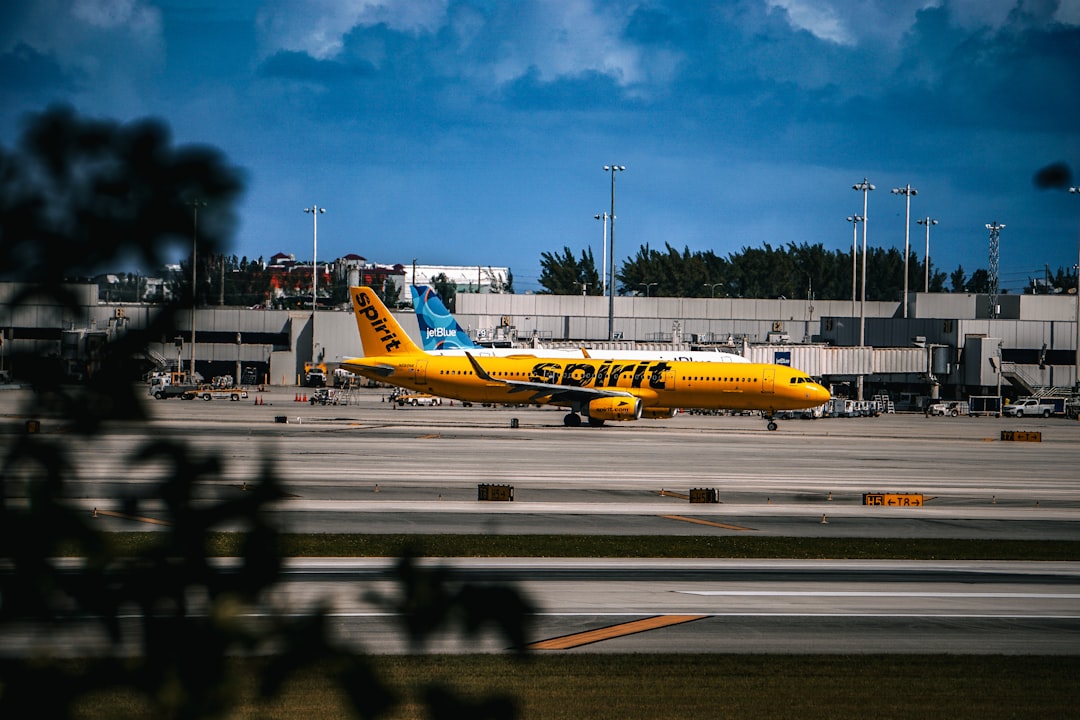
When the Department of Justice challenged the JetBlue-Spirit merger, the case drew sharp debates about how to measure competition in a few dominant carrier ecosystems. As someone who helped lead the antitrust effort, I saw how the litigation exposed the tension between traditional market definitions and the dynamic realities of modern air travel. The broader question remained simple on the surface: would combining two low-cost and long-haul strategies curb consumer choices or unlock efficiencies that justify greater air travel access?
What followed was a courtroom arc that underscored a key truth for personal finance readers: outcomes in large corporate mergers are not guaranteed, and policy tools evolve in response to changing market conditions. The discussion moved beyond fares and routes to the heart of how regulators define meaningful competition in an industry where capacity, schedules, and frequent-flyer programs shape consumer behavior just as powerfully as ticket prices do.
What The Litigation Revealed About Airline Competition
The case hinged on two core questions: on crowded domestic routes, would the merger meaningfully reduce competition, and would any potential efficiencies be enough to offset that risk for consumers? While the parties argued that network advantages and cost savings would lower prices in practice, the government warned that a larger JetBlue-Spirit would dominate a critical slice of the market and chill price competition on many busy corridors.
From the courtroom floor, it was clear that airline competition defies a single metric. It includes seat availability on popular itineraries, flight frequencies during peak travel periods, and the broader impact on substitute routes. The litigation also highlighted how ancillary fees and product bundling can blur traditional price signals, complicating how consumers evaluate value on a given trip. These realities pushed the argument beyond headline fare comparisons and toward a more nuanced picture of consumer welfare.
The Spirit Effect And Fare Dynamics
Long before the legal proceedings began, Spirit’s model of ultra-low fares and lean operations had a measurable impact on market dynamics. When Spirit entered a route, rivals often adjusted their price structures to compete, which created a downward pressure that reached far beyond Spirit’s own customers. If you study the path of a typical round trip on a crowded corridor, you’ll find that rivals respond not just to Spirit’s published fare, but to the threat of a new option on the horizon.

- On routes where Spirit had a significant presence, front-line price competition intensified, prompting occasional temporary price dips.
- Carriers with larger networks tended to adjust schedules and seat inventory to preserve market share, sometimes at the expense of pure per-seat costs.
- The merger debate reframed consumer welfare in terms of both price and service quality, including reliability, loyalty benefits, and connectivity to smaller markets.
During the proceedings, the phrase litigated jetblue-spirit merger. thoughts surfaced frequently in legal briefs and communications with lawmakers. The exact wording captured a broader sentiment: the case wasn’t just about one deal, but about how aggressively regulators should police industry consolidation in a sector known for thin margins and high fixed costs.
Key Data Points Shaping The Conversation
To put the discussion in context for readers tracking personal finances and consumer prices, here are high-level takeaways that framed the debate in recent years. These are illustrative and reflect ongoing market readings rather than a single official scorecard.

- Market concentration: The top three U.S. airlines controlled a growing share of passenger demand on major domestic routes prior to the case, increasing the focus on how mergers affect price discipline.
- Fare trends: On competition-heavy corridors, published fares often moved in tandem with capacity changes and seasonal demand, complicating the task of attributing price moves to a single corporate action.
- Fuel and costs: Oil price volatility has remained a critical input for airline profitability. When fuel spikes, even modest schedule changes can ripple through ticket pricing and ancillaries.
- Consumer impact: Loyalty programs, baggage policies, and seat pitch on long-haul flights contribute to total trip cost, not just the base fare shown in airline advertisements.
- Regulatory tempo: Antitrust reviews in the aviation sector have tended toward caution, balancing potential efficiencies against the risk of reduced competition in busy hubs.
These data points help explain why the government’s position in a merger case like this isn’t about a simple fare tally. It’s about whether a merged network could dampen competition across a broad set of routes and customer choices over the long run.
Words Of Caution For Antitrust Policy
In my years inside the case, I saw how the industry’s evolution—driven by technology, evolving loyalty programs, and shifting consumer preferences—outpaced some legacy antitrust tools. The lesson for policymakers is clear: antitrust rules must remain flexible enough to account for network effects, dynamic competition, and the value of genuine price transparency for travelers.
Some observers argued the enforcement posture was too aggressive; others argued it was essential to prevent the creation of a de facto duopoly in several key markets. The truth lies somewhere in between. The airplane business is a capital-intensive, highly interconnected system where a single deal can alter flight maps for years. The balancing act—protect competition while permitting beneficial scale—will continue to define the future of antitrust in airlines.
As I reflect on the case, litigated jetblue-spirit merger. thoughts remains a useful shorthand for a broader conversation about how regulators should measure consumer welfare in a fast-changing landscape. The goal is a fair, competitive market that gives travelers real price choices and reliable service—even as carriers seek efficiency gains through strategic combinations.
What This Means For Consumers And Investors
For everyday travelers and investors, the case underscores a simple truth: mergers can reshape routes, schedules, and prices in ways that aren’t immediately visible. If regulators succeed in maintaining competitive pressure, you may see more robust price competition on busy routes, better transparency around fees, and improved service options on regional connections.
For investors, the implications hinge on a company’s ability to unlock synergies without harming competition. The balance between cost savings, network optimization, and consumer welfare will influence how airline stocks react to regulatory actions and market shifts in the coming years.
Finally, the debate around the JetBlue-Spirit merger is a reminder that antitrust is a living field. Markets evolve, data grows richer, and legal theories must adapt. The question for policymakers and market participants is not only what happened in a single merger, but how future cases will shape the airline industry’s structure and the price signals travelers rely on every day.
Looking Ahead: A Path For Antitrust And The Airline Industry
In today’s market, regulators are increasingly focused on how to measure competition beyond traditional price metrics. They’re paying attention to route-level dynamics, capacity allocation, and the way loyalty programs influence consumer choice. The JetBlue-Spirit saga—through its litigation and eventual market response—offers a blueprint for how to assess these factors in a way that serves both consumers and a viable, competitive industry.
As the industry adapts to higher fuel costs, labor constraints, and shifting travel patterns, the next wave of airline deals will test whether enforced competition can coexist with operational efficiency. The overarching message for readers: stay aware of how policy decisions affect ticket prices, service levels, and your ability to choose flights that fit your budget and schedule.
In closing, the phrase litigated jetblue-spirit merger. thoughts captures more than a case name. It encapsulates a broader call for thoughtful, evidence-based antitrust reform that recognizes how modern airlines compete—and how consumers benefit when markets stay open and dynamic.

Discussion