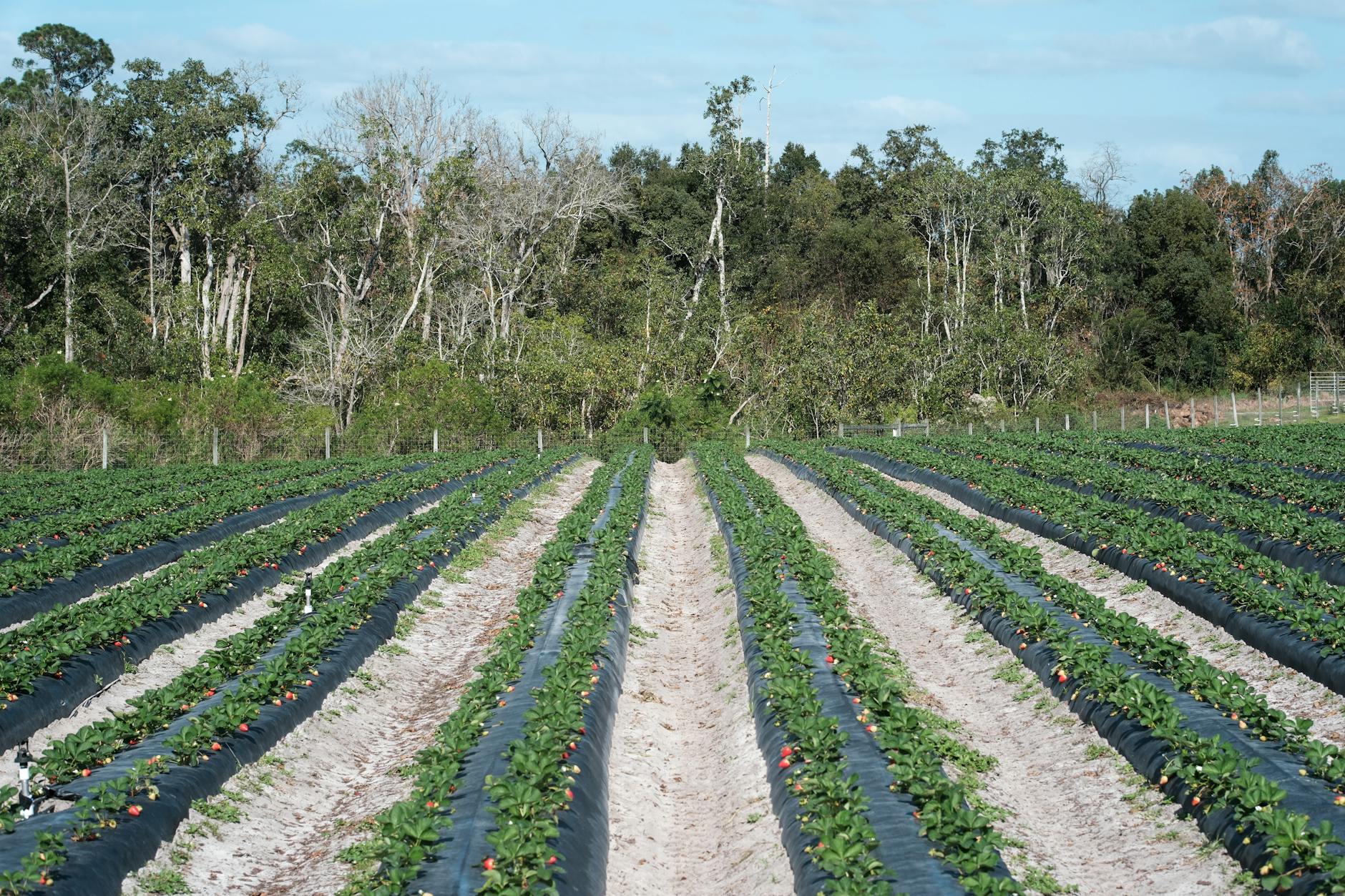
The Crisis Deepens: Disease and Climate Tighten the Grip on Florida Citrus
Florida’s citrus industry faced another tough chapter this year, with many groves showing steep losses as a deadly blend of disease and climate stress erodes yields. Officials and growers say the latest season is among the hardest in decades, with production hovering at multi-decade lows and costs climbing faster than prices at the grocery store. The result is a slow drain on rural communities that depend on citrus for jobs, taxes, and living wells.
State agriculture data and grower reports indicate Florida orange production is now roughly half of what it was a decade ago. While the exact figures vary by county and variety, the overall trend is clear: fewer acres in production and more trees under strain. The shift is transforming Florida’s economy and forcing families to rethink budgets, debt, and plans for the next planting cycle.
For many households, the news lands as a personal finance jolt. A typical grove mortgage, insurance premium, and fertilization bill are rising at a time when fruit prices can swing with disease outbreaks and weather surprises. The combination is pressuring household balance sheets across the citrus belt—from Polk and Hillsborough to DeSoto and St. Lucie counties.
What’s Driving the Decline
- Huanglongbing (HLB), known as citrus greening, remains the driving disease in most Florida groves, robbing trees of vigor and fruit quality.
- Extreme weather, including drought spikes, heat waves, and growing-season storms, adds stress and increases irrigation and energy costs.
- Labor shortages and higher input prices for fertilizer and fuel compress margins for small and mid-size growers.
- Insurance and financing hurdles complicate replanting after disease losses, slowing the pace of grove modernization.
Industry data show the decline is not just a single-year blip. Researchers at the University of Florida IFAS note a multi-year downward trend in orange and tangerine production, with some growers switching to more disease-tolerant rootstocks or other crops. “The current trajectory is unsustainable for many farms,” said a citrus project lead who spoke on condition of anonymity. “Without better varieties and tougher weather protection, the losses could persist.”
How Growers Are Responding
Facing tough odds, Florida farmers struggle adapt by pursuing a mix of strategies aimed at salvaging value while reducing risk. Growers are reallocating resources, adopting tech-driven farming, and leaning on government programs for relief and guidance.
- Grafting and replanting with disease-resistant rootstocks to slow greening disease spread and improve long-term yields.
- Investing in precision irrigation and soil sensors to cut water and fertilizer waste while boosting tree vigor.
- Switching some acreage to specialty crops and diversified fruit lines to spread risk beyond a single crop cycle.
- Joining grower cooperatives to gain better access to markets, capital, and risk-sharing arrangements.
- Relying on risk management tools, such as forward contracts and price hedging, to stabilize revenue in volatile markets.
Farmers emphasize that the shift requires time, capital, and access to expertise. Ana Rivera, a fifth-generation grower in Polk County, says the work is not just agronomic but financial. “You don’t just replace trees; you rebuild budgets, payment schedules, and family plans,” Rivera said. “We’re learning to live with more variability in yields and prices.”
Economic Ripples for Households and Communities
The citrus downturn is spilling into household finances in Florida’s rural towns. Jobs tied to grove maintenance, packing, and shipping are thinner, while healthcare costs and debt service rise for farming families. Local lenders report tighter credit conditions for orchard-related projects, especially replanting and upgrades necessary to stay competitive.

- Farm-gate revenues for mid-size citrus operations have fallen as disease costs rise and yields decline.
- Insurance premiums tied to grove health and weather risk have climbed by double-digit percentages in many counties.
- Commodity prices for fresh juice and concentrate are experiencing more volatility, complicating planning for processors and retailers.
- Household budgets in farming counties show growing concerns about debt servicing and retirement savings amid uncertain income streams.
Industry observers say the pattern of hardship will persist unless new solutions emerge. Some economists warn that continued disruption could push small farms to exit citrus altogether, accelerating consolidation and changing the landscape of Florida’s farming communities.
Policy and Market Responses
State and federal programs are stepping in to shore up the industry, but results so far vary by county and farm size. Officials point to two tracks: help for replanting and incentives for farmers to adopt modern practices that reduce risk and raise efficiency.
- Replanting grants and low-interest loans designed to replace afflicted groves with more resilient varieties.
- Technical support from University of Florida IFAS and extension services focused on disease management and modern irrigation.
- Insurance products that better cover disease-related losses and weather-related damage.
- Market initiatives to stabilize grower income through longer-term contracts with processors and retailers.
Yet farmers caution that relief arrives slowly and must be paired with market demand for citrus products. “Filings and programs help, but the real test is whether we can grow fruit that customers want to buy at a fair price,” said Luis Ramirez, who runs a 120-acre operation in DeSoto County. “florida farmers struggle adapt remains a daily reality for many, and it will take years to see real stability.”
What Comes Next for Florida’s Citrus Belt
Experts and growers outline a cautious path forward that blends innovation with prudent financial planning. The goal is not to return to a lights-out era of booming yields, but to build a sustainable, diversified citrus economy that can weather disease and climate shocks.
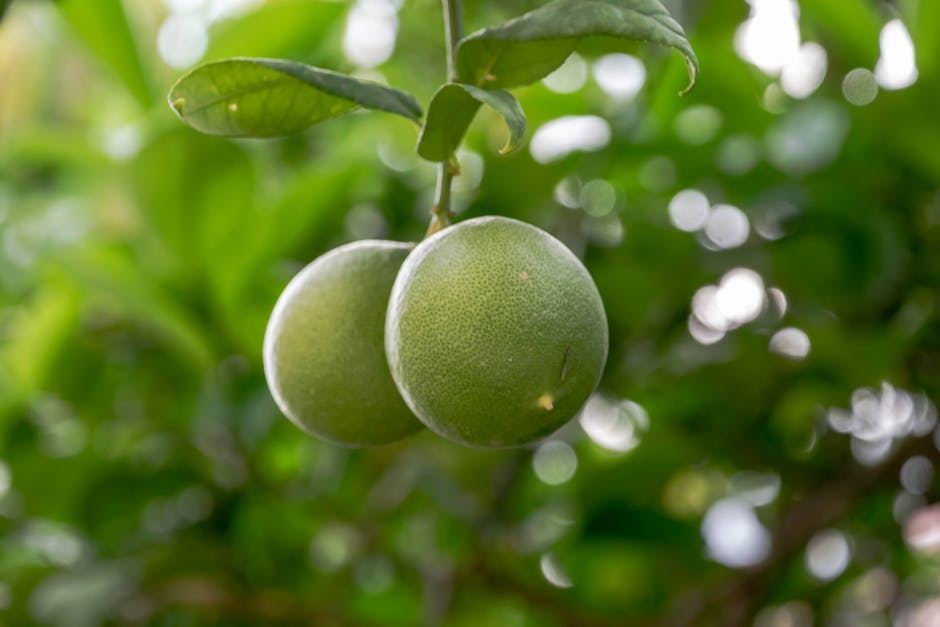
- Continued investment in disease-resistant rootstocks and faster grafting methods to accelerate replanting cycles.
- Expanded use of sensors, data analytics, and variable-rate irrigation to cut costs and environmental impact.
- Strategic diversification into other crops or value-added citrus products to broaden revenue streams.
- Stronger financing options and insurance products tailored to tree crops, reducing the capital hurdle for farmers replanting.
For residents across Florida, the citrus struggle translates into a broader question: how to balance tradition with the demands of a changing climate and global market. As groves age and new ones rise, the state’s farmers will need policy support, market flexibility, and community resilience to navigate the road ahead. The headline remains stark: florida farmers struggle adapt, but the people who care for the orchards are betting on a more proactive, technology-enabled future.
Bottom Line
The Florida citrus story is shifting from a simple supply equation to a complex mix of disease, weather, and capital challenges. As farmers adapt through replanting, tech adoption, and diversification, the question for policymakers and lenders is whether the support they provide is timely and targeted enough to preserve livelihoods and keep Florida’s citrus industry alive for the next generation.

Discussion