
Market Pulse: Energy, Insurance, and the Risk Ledger
The latest flare-up surrounding Iran’s war theater has investors recalibrating risk, with energy markets leading the response. A drone incident near Qatar intensified concerns about the sustainability of a month-old pause in fighting. Oil benchmarks rose modestly, while shipping insurers signaled higher premiums amid ongoing security bets around the Persian Gulf.
Analysts describe the developing situation as a real-time test of the shaky Iran ceasefire tested by new attacks and airspace incursions. Together with tighter restrictions around the Strait of Hormuz and western port actions, the episode nudges energy costs higher and adds volatility to markets that had started to settle after earlier shocks.
U.S. officials have said the ceasefire remains in place, but they caution that the next talks could reshape shipping routes and nuclear-deescalation steps. The broader market takeaway: when the Middle East tension flares, households feel it first through energy bills and gas prices, then through stock and bond markets that react to global risk and energy supply assumptions.
What Happened: Drone Incident Off Qatar and Airspace Incursions
On Sunday, a drone strike caused a small fire aboard a cargo ship off the coast of Qatar. There were no reported casualties, and no organization immediately claimed responsibility. In a related turn, Kuwait and the United Arab Emirates said drones entered their airspace, underscoring continued instability in the broader region.
Authorities attributed the latest action to groups allied with Iran, a claim that Iran itself disputes through official channels. A military spokesman said forces are on "full readiness" to protect strategic sites, while Western officials emphasized that the ceasefire remains the framework governing the pause in hostilities for now.
The incidents land as diplomats push a new package aimed at reopening the Strait of Hormuz to traffic and rolling back aspects of Iran’s nuclear program. In the immediate term, shipping lanes face heightened risk, and port authorities in the region have tightened vessel screening and security procedures.
Global Backdrop: Oil, Shipping, and Market Sentiment
Markets started the week with a cautious tilt as traders weighed the implications of renewed drone activity against the possibility of a renewed diplomatic push. Brent crude rose roughly 1.5% in early sessions, trading near the mid-80s per barrel, while WTI hovered in the high 70s to low 80s. Even small shifts in supply expectations can ripple through consumer prices for gasoline and home heating costs as summer demand patterns take shape.
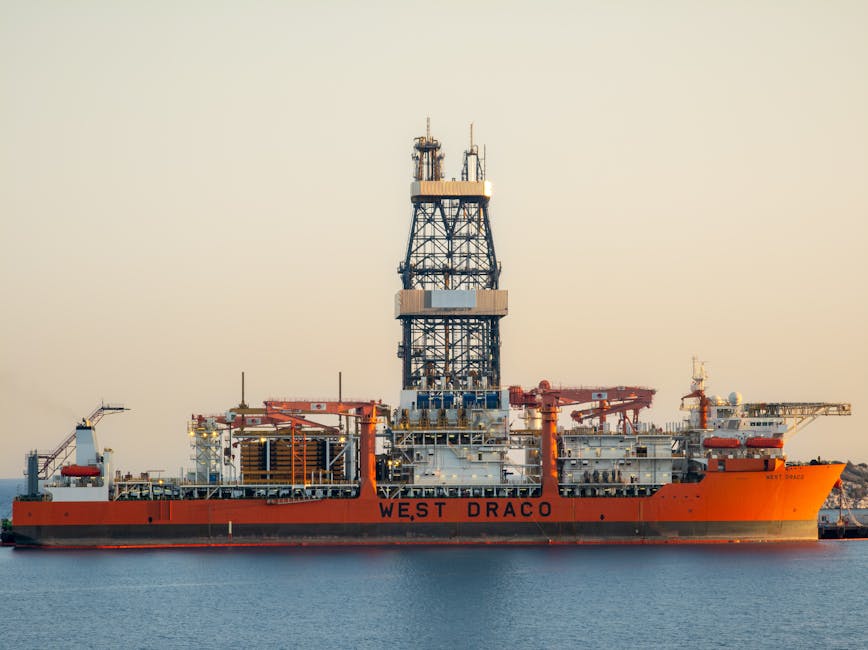
Beyond crude, the risk premium on shipping costs rose. Insurance rates for cargo under transits through the Gulf-Red Sea corridor moved higher, reflecting the added threat to vessels and crews. Analysts note that even with a potential ceasefire, the near-term risk premium could persist until there is verifiable movement on de-escalation and a clear path to open shipping lanes.
In financial markets, regional equities and energy-linked equities traded in a tighter range, with investors focusing on whether the latest flare will derail the broader global growth outlook. The U.S. and allied partners have signaled continued engagement, but the path to a durable peace remains uncertain, complicating corporate planning around capital spending and dividends for the second half of the year.
Personal Finance Implications: What This Means for Your Wallet
For everyday households, the immediate impact is likely to be higher energy bills and more volatile fuel prices. Even a modest uptick in oil and gas costs can feed through to commuters and small businesses that rely on trucking and shipping for goods. Consumers should watch heating oil and gasoline futures as benchmarks for potential price moves in the weeks ahead.
Investors should consider the spillover to risk assets. While energy stocks can benefit from supply concerns, the broader risk-off dynamics can weigh on equities, particularly those tied to international trade and global supply chains. If the ceasefire proves fragile, you may see more volatility in energy ETFs and stock sectors sensitive to geopolitical risk, such as transportation and industrials.
Financial planning takeaways for now include evaluating energy-related exposure in your portfolio, maintaining a balance between growth and income assets, and ensuring sufficient liquidity to weather potential short-term price swings in oil, currencies, and shipping costs.
Data Snapshot
- Date of events: Sunday, May 10, 2026
- Location: Off the coast of Qatar; airspace incursions reported in UAE and Kuwait
- Casualties: None reported
- Oil benchmarks: Brent crude up ~1.5%; WTI in the high 70s to low 80s per barrel
- Ceasefire status: Month-old pause in fighting described as still in effect by U.S. officials
- Key stock implications: energy and risk assets showing heightened two-way volatility
- U.N. note: Iran reportedly holds more than 440 kilograms (970 pounds) of uranium enriched to 60%
Outlook: Navigating a Fragile Calm
With the shaky Iran ceasefire tested, markets balance a potential diplomatic breakthrough against the risk that hostilities could flare again. Officials stress that the current ceasefire is contingent on credible negotiations, verified safe passage through key waterways, and verifiable steps on nuclear constraints.

For families and investors, the path forward is one of vigilance and preparedness. If tensions ease, energy costs may stabilize, and risk assets could regain some footing. If not, households should be ready for continued price volatility and potential interruptions to shipping and trade that ripple through consumer prices and Investment accounts.
Investor Takeaway
The latest incidents underscore how geopolitics across the Persian Gulf can reverberate through personal finances. The focus for portfolios remains on diversification, a prudent allocation to energy-sensitive assets, and a reserve of liquid funds to weather volatile weeks ahead. As the shaky iran ceasefire tested, the next few days could provide clearer signals on whether diplomacy or escalation will prevail.



Discussion