Executive snapshot: A once-in-a-generation capex surge
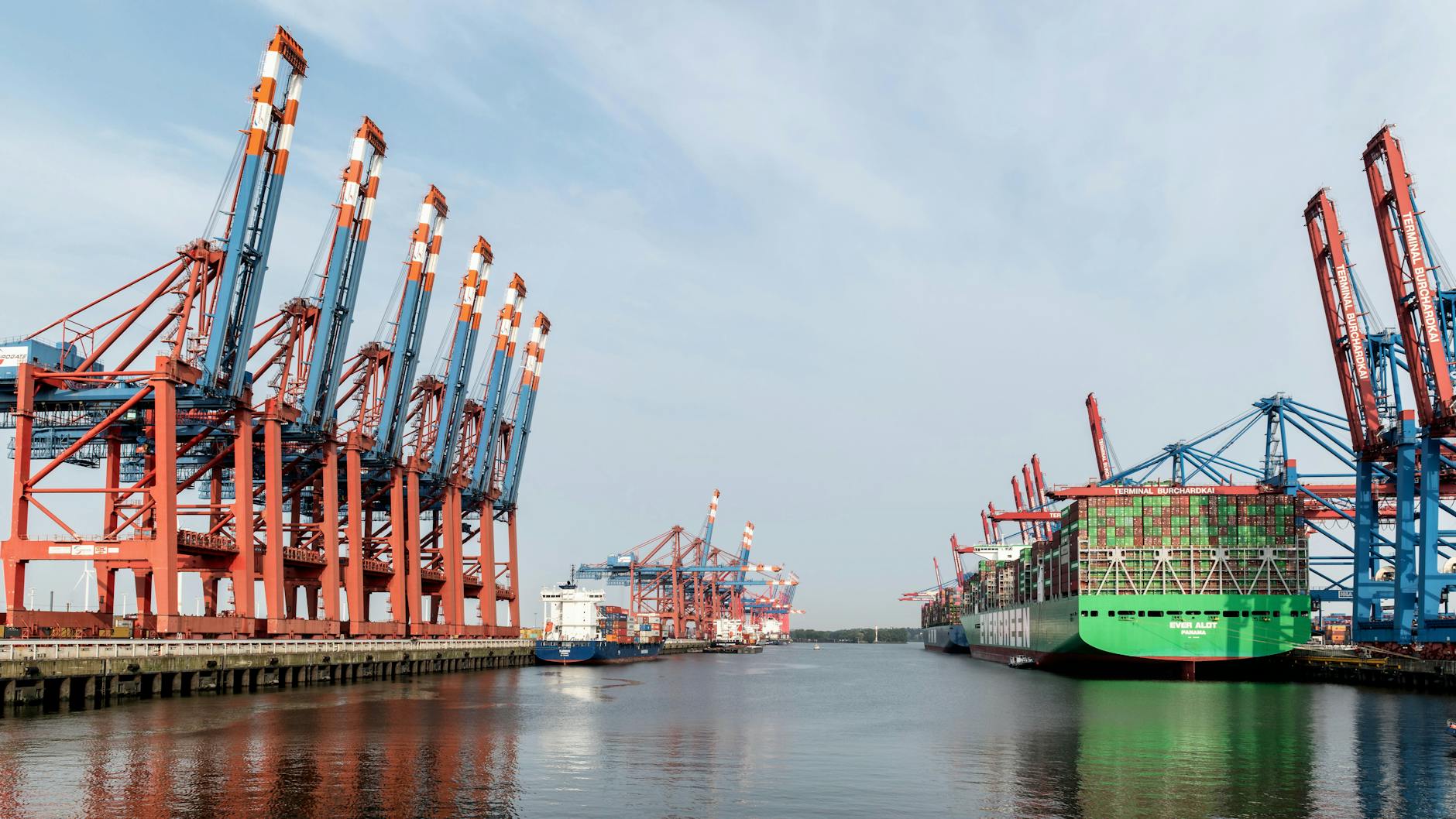
The global economy is currently riding what many investors call the largest capex wave in modern history. By 2030, analysts estimate spending will approach $5 trillion, and the mix of money flowing into energy systems and digital infrastructure goes far beyond AI alone.
Industry veteran Eli Horton, a senior portfolio manager at TCW, says the cycle is broader than any single technology. “This may be the biggest capital cycle the world has ever seen, powered by the energy transition,” Horton told reporters this week. He points to three core forces driving the boom: energy security, a surge in electricity demand, and ongoing decarbonization efforts.
Even as the hype around AI continues to push big-ticket investments, the energy transition is emerging as the backbone of the capex surge. Horton notes that electricity demand in the United States is rebounding after years of stagnation, aided by domestic manufacturing revival, broader electrification, and related policy support.
The three engines fueling the capex boom
- Energy security: Nations retool their grids and diversify supplies to reduce vulnerability from geopolitical shocks. This has turned energy infrastructure into a strategic priority.
- Rising electricity demand: Industrial activity and consumer electrification are lifting load across homes and factories, prompting bigger investments in transmission, storage, and generation capacity.
- Decarbonization: The push to cut carbon emissions is driving wind, solar, battery storage, and other zero-emission technologies into new frontline markets.
Taken together, these forces create a multi-decade cycle of capital spending that some investors believe will outlast current technologies and political cycles.
AI spend versus energy capex: two engines, one cycle
AI hyperscalers remain among the largest annual spenders, pouring hundreds of billions into data centers, semiconductors, and software. Yet analysts argue that the energy transition is the more durable driver of growth for the broader economy and markets over the next decade.
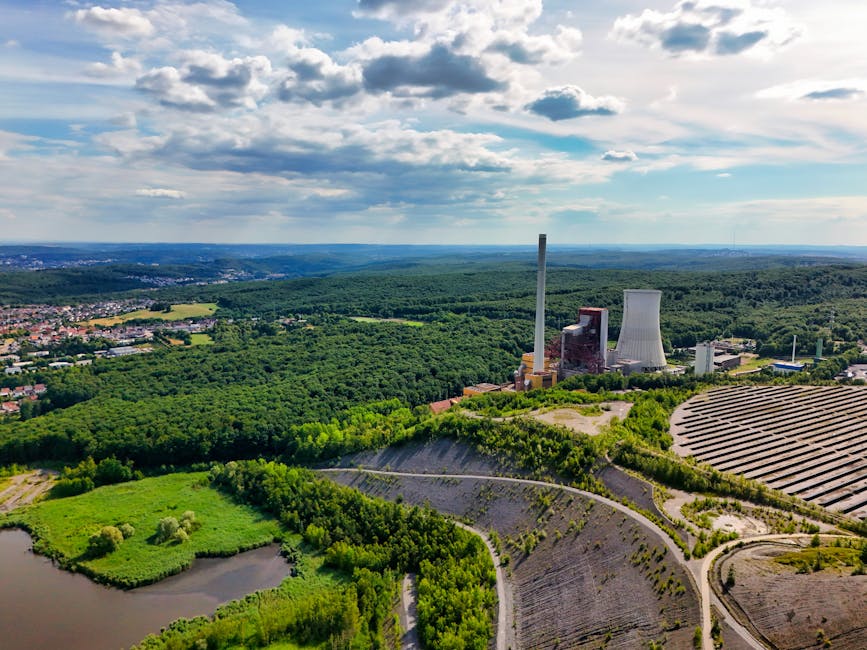
Banking and research desks have started to separate the signals: AI surges can be episodic, but the energy capex cycle is built into the fabric of the grid, transportation, and industry. That distinction matters for investors weighing which sectors will lead earnings in the next five to ten years.
Horton emphasizes that the energy exposure of the capex wave is not a temporary blip. “The trend persists across decades,” he says, pointing to the scale and persistence of demand for new power-generation assets, grids, and fuel-switching technologies.
Corporate beneficiaries already showing up
A number of industrials and equipment makers are riding the wave. Caterpillar, a longtime proxy for global capex health in construction and mining, has seen demand strengthen as customers replenish fleets and invest in new productivity tools. Some of its orders indicate visibility into activity at least through 2030.
GE Vernova, the energy equipment division behind gas turbines and related services, has reported strong backlog growth as utilities and independent power producers upgrade and expand capacity. The company has highlighted turbine orders that stretch well into the next decade, underscoring the durability of the capex cycle.
Analysts describe a broader backlash against underinvestment in infrastructure. With the energy transition accelerating, components such as turbines, transformers, and grid-scale storage are becoming scarce, lifting both prices and project timetables for many operators.
Geopolitics shaping the pace and scale
The debate about capex intensity is inseparable from geopolitics. Recent shocks to energy markets—the conflict in the Middle East and the closure of key shipping routes—underscore why energy security is a central driver of this spending spree. Policymakers are weighing new subsidies, tax incentives, and regulatory reforms to accelerate project timelines and lower risk for developers.

In this environment, energy infrastructure projects are not just about cheaper kilowatt-hours; they’re about reliable power in the face of potential supply disruptions. That reliability premium is translating into faster project approvals and longer-term contracting, which in turn sustains capex momentum.
What this means for investors and households
For investors, the message is clear: align portfolios with the scale and durability of the capex cycle. This means looking beyond pure AI exposures to include energy hardware, grid modernization, and clean power technologies that can benefit from steady, multi-year spending commitments.
- Rotate toward infrastructure-oriented equities and specialized equipment makers with long backlog runways.
- Monitor utility regulators and policy signals that can accelerate or stall large projects.
- Consider energy storage and grid modernization plays as data demand and electrification grow in tandem.
For households, the implications are mixed. While the capex wave can lift long-term energy reliability and unlock new jobs, it can also influence electricity prices and household energy bills in the near term as projects ramp up and costs are capitalized into tariffs. The net effect, however, is expected to support steadier utility earnings and more resilient energy prices over time.
Data at a glance
- Projected total capex by 2030: roughly nearly $5 trillion
- Main drivers: energy security, rising electricity demand, decarbonization
- U.S. electricity demand: rebounding after two decades of slow growth
- AI capex: significant but increasingly interwoven with the energy transition
- Key beneficiaries: industrial equipment makers, turbine suppliers, grid hardware firms
Bottom line
The period is redefining how the global economy allocates capital. The claim that the global economy experiencing largest capex cycle on record is hard to dispute when you consider the magnitude of the investments underway in energy, grids, and power generation alongside AI-related expansion. If Horton is right, this trend will shape markets for years, influencing everything from corporate earnings to household energy costs and the risk premiums investors demand for infrastructure bets.
With geopolitical risks unlikely to vanish soon, the pace of capex could accelerate as nations seek to secure clean, reliable power at scale. For now, the focus remains clear: a multi-trillion-dollar allocation to modern energy systems and electricity networks is not only possible—it is underway, and it may redefine the global economy for decades to come.

Discussion