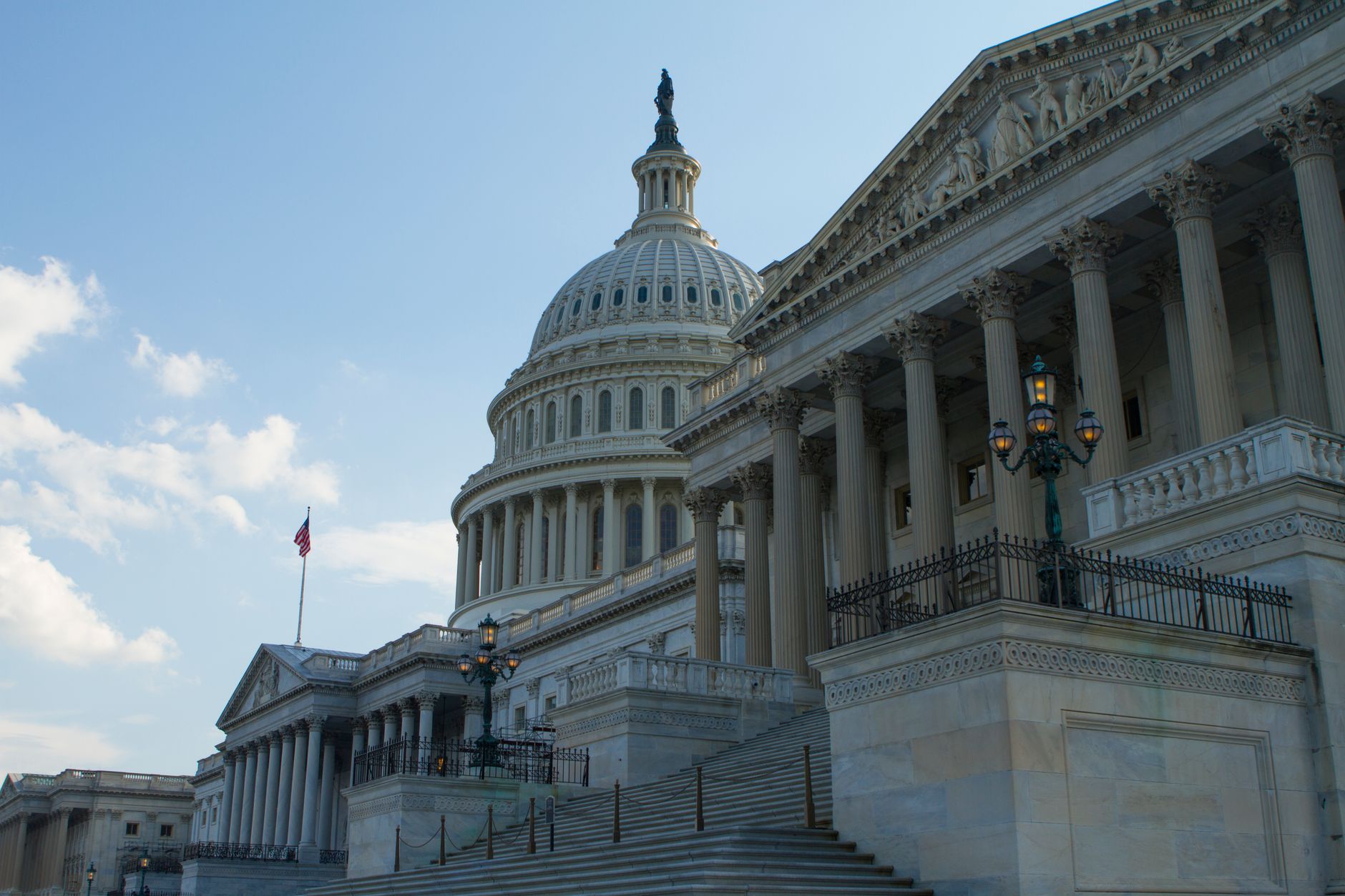
Headline Risk: Mitch McConnell’s Senate Seat Could Sit Empty for Months
The prospect of a prolonged vacancy in Mitch McConnell’s Senate seat has moved from rumor to a policy question that could influence households far beyond Kentucky. With McConnell's term heading toward its final stretch, state leaders face a clock on how quickly a replacement could be sworn in. For families watching budgets and markets, the timing matters as much as the outcome.
In Kentucky, the process to fill a vacancy hinges on a legal framework designed to balance representation with practical timelines. Gov or state lawmakers do not have a simple appointment option here; instead, several rules guide when and how a new senator takes a seat. The current law, reshaped in recent years, could push a replacement into a special election rather than a quick pick from the governor’s desk. That distinction matters for everyone from small-business owners to 401k savers watching political risk shift the market mood.
As questions swirl, the focus is on timing. If a vacancy occurs before an early August cutoff, Kentucky could stage a special election that could run parallel with the November general election. In that scenario, the winner of the special election could take office almost immediately, while the general election winner would join the new Congress in January. The difference is not cosmetic: it affects how long a seat stays open and how long the chamber operates with one vote fewer than expected.
How the Vacancy Would Be Filled
Public observers say the mechanism would likely hinge on the 2024 reforms that reshaped how Kentucky handles Senate vacancies. The law intends to balance representation with the realities of campaigning and election logistics. The key milestones to watch include the August 3 threshold date, the timing of any primary events, and the November ballot choices. Analysts say the process is designed to minimize prolonged empty seats while keeping voters front and center in the decision.
In practical terms, this means a potential two-track path for Mitch McConnell’s Senate seat. A special election could deliver a seat quickly if the vacancy happens before the cutoff. If the vacancy occurs after that window, a different sequence could apply, potentially stretching the vacancy into the next Congress. Either path keeps the political spotlight on Kentucky and the national implications of who represents the state on Capitol Hill.
Beshear and his supporters have pressed for clarity about the timeline and the health and capacity questions surrounding the seat. In a recent statement, the governor underscored the importance of transparency for voters who will shoulder the costs and consequences of a drawn-out process. He said, in effect, that voters deserve to know when their representation will be filled and who will be accountable for decisions that ripple through households and local businesses.
Why This Matters for Personal Finance
Even for households not typically following Senate scheduling, Mitch McConnell’s Senate seat matters. Congressional leadership shapes federal budgets, tax policy, and spending for programs that touch everyday finances. A vacancy that lasts weeks or months can slow legislative action on key topics such as Medicare and Social Security funding, energy incentives, and infrastructure programs that affect salaries, mortgages, and small-business cash flow.
Market watchers say the longer a seat sits empty, the more cautious investors may become about fiscal policy and debt negotiations. That caution can show up as tighter credit conditions or wobblier equity markets, especially in sectors sensitive to government spending and regulatory signals. Consumers may see the indirect effects in market-linked retirement accounts and in the timing of policy changes that could alter tax planning and investment strategies.
From a personal finances angle, the clock on Mitch McConnell’s Senate seat invites households to consider liquidity and diversification. If policy gridlock lingers, households might prioritize emergency savings, debt management, and flexible investment allocations. Financial planners say this is not about choosing winners in any political race but about preparing for periods of uncertainty that naturally accompany leadership transitions.
What Happens Next: A Step-by-Step Timeline
- Phase 1: Public acknowledgment of a potential vacancy and initial timeline assessments. Local and state offices begin outlining key dates for any special election.
- Phase 2: Administrative preparations for a November timeline, should a special election be paired with the general election. Ballot design, candidate filing windows, and voter outreach would ramp up.
- Phase 3: Primary activity if required, followed by the general election. The special election winner could take office swiftly, while the general election winner would join in the next Congress.
- Phase 4: Transition and onboarding for the new senator, including committee assignments and policy priorities that affect federal spending and the Kentucky economy.
Business and Public Response
Business groups and trade associations watch this situation closely. A vacancy in Mitch McConnell’s Senate seat affects not only state politics but also the weight of Kentucky’s vote on matters ranging from tax policy to infrastructure investment. Regional chambers, manufacturers, and energy firms are calculating how a delayed appointment could influence long-term planning, from capital expenditures to hiring cycles.
Analysts say the public optics of a protracted vacancy can also influence consumer confidence. When voters feel uncertainty about Washington’s ability to move on fiscal issues, they tend to tighten budgets and delay big-ticket purchases. That mindset can ripple through consumer-oriented industries and the broader economy.
On the ground, residents in Kentucky are watching the timeline with a practical eye. Local taxpayers, small-business owners, and retirees all face the same overarching question: how long will this seat remain unfilled, and who will ultimately represent their interests in the U S Senate?
Data Snapshot and Key Figures
- Vacancy window: Potential special election if vacancy occurs before the August cutoff, with concurrent or separate timing relative to the November ballot.
- Senate implications: A delay in filling the seat can shift the balance of power, even if only temporarily, affecting cloture votes and committee leadership dynamics.
- Population context: Kentucky is home to roughly 4.6 to 4.7 million residents, a broad base affected by federal policy decisions and budget outcomes.
- Economic channels: Tax policy, social program funding, and infrastructure spending are all channels through which the vacancy could indirectly touch household finances.
Bottom Line
The potential for Mitch McConnell’s Senate seat to sit empty for months underscores a critical intersection of law, politics, and personal finance. While the legal mechanics will determine how quickly a replacement can be seated, the financial ripples are already visible in households watching budget plans and investors monitoring policy risk. The focus for families remains practical: stay flexible, keep a healthy emergency fund, and watch the timeline as state authorities outline the steps toward filling Mitch McConnell’s Senate seat. The clock is ticking, and the next moves will shape policy windows that touch every wallet in Kentucky and beyond.


Discussion