
Grocery bills rise as debt climbs: a timely snapshot
As inflation keeps pressure on household budgets, a new Urban Institute study sheds light on a shift in spending habits at the grocery store. The five-year stretch shows food costs climbing sharply, and a growing share of households are relying on credit cards to cover everyday purchases.
Released this week, the report traces the path from sticker shock to plastic payment, painting a picture of a consumer landscape where more americans relying credit are faced with tougher choices at checkout. The data come as consumers and policymakers monitor the trajectory of inflation amid a complex mix of supply-chain dynamics and global market forces.
Key findings for 2020s grocery shoppers
The study highlights several striking numbers that help explain the current strain on budgets. Over the last five years, overall food costs rose by about 32%, a pace that far outstrips wage gains for many households. In practical terms, that means a typical grocery trip now costs significantly more than it did just a few years ago.
In a troubling signal of financial distress, the report notes that a majority of working-age adults charged groceries to credit cards last year. Specifically, roughly two-thirds (63.2%) of adults aged 18-64 used plastic to pay for groceries at least once in the previous year.
Another worrisome trend: between 2023 and 2025, the share of people who charged groceries to credit cards and did not make the minimum payment rose, indicating that more households are juggling debt with limited relief in sight. In plain terms, higher prices are turning into higher debt, creating a cascading squeeze on monthly budgets.
Why groceries are getting pricier—and why it matters
Experts point to a mix of factors keeping grocery prices stuck elevated. Persistent supply-chain strains, shifts in commodity markets, and global trade tensions are cited as recurring headwinds. Even as gas prices swing up and down, food costs have remained a stubborn piece of the inflation puzzle.
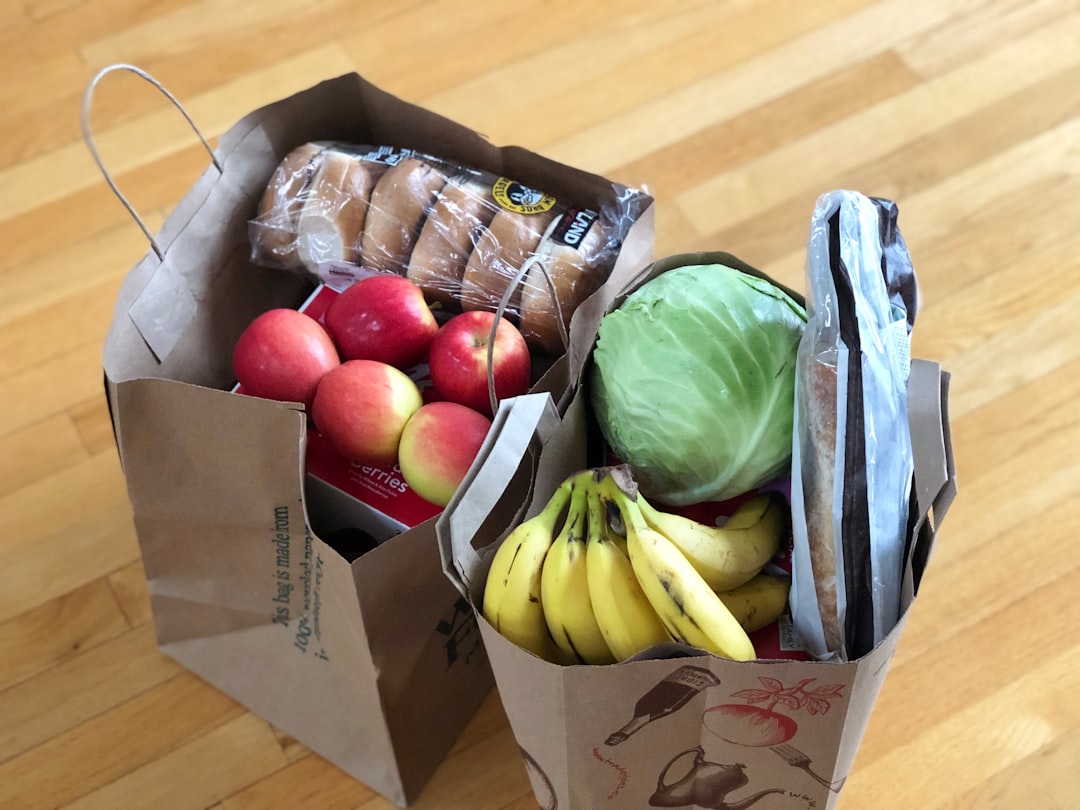
Officials and economists note that the effect is not uniform. Lower- and middle-income households tend to feel the bite first, while families with limited savings or irregular paycheck cycles face the most competition for every dollar. The study frames this as a broader affordability challenge rather than a temporary spike.
What this means for households today
The practical impact is clear at the checkout line. Many families are trading down in product choices, altering brand preferences, or buying smaller quantities to stretch a paycheck. But for a sizable share, those coping strategies run into a debt wall as monthly interest compounds on credit card balances.
“Grocery bills are becoming a primary stress point for households,” the study team said. This sentiment underscores a nationwide pattern: households are asking for more time, more flexibility, and more relief from prices that stay higher for longer than many anticipated.
How policymakers might respond—and what shoppers can watch
Analysts argue that the data strengthen the case for targeted relief focused on essential goods and consumer protection in debt markets. Potential policy options include expanding affordability programs, enhancing food-assistance outreach for low- to middle-income families, and encouraging competition in the grocery and credit-card sectors to help curb price pressures.
For households, the practical playbook remains cautious budgeting and debt awareness. Financial counselors say households should monitor credit utilization and set explicit caps on grocery spending to avoid debt spirals, especially when minimum payments are not being met regularly.
Takeaways and the road ahead
- Food costs have surged about 32% over the past five years, placing a heavier burden on household budgets.
- 63.2% of working-age Americans charged groceries to credit cards in the last year, signaling widespread reliance on plastic for daily needs.
- From 2023 to 2025, the share of people who charged groceries and skipped minimum payments rose, suggesting rising financial distress.
- Inflation dynamics, supply chains, and geopolitical factors are likely to keep grocery prices elevated into the near term.
Bottom line: the trend in focus
As markets digest this week’s inflation data and households adjust to stubborn price pressures, the story remains clear: more americans relying credit to cover groceries is shaping the broader consumer debt landscape. The Urban Institute findings provide a real-time lens on how price growth and debt risk intersect at the grocery store, with implications for families, lenders, and policymakers alike.
With inflation still hovering near the headlines, a sustained period of affordability relief will depend on a mix of wage growth, policy choices, and the global environment. For now, the data paint a portrait of households navigating higher costs with credit as a bridge—and a risk that debt levels could climb if economic conditions don’t improve.

Discussion