Leading News: Trial Opens Over a Chinatown Building
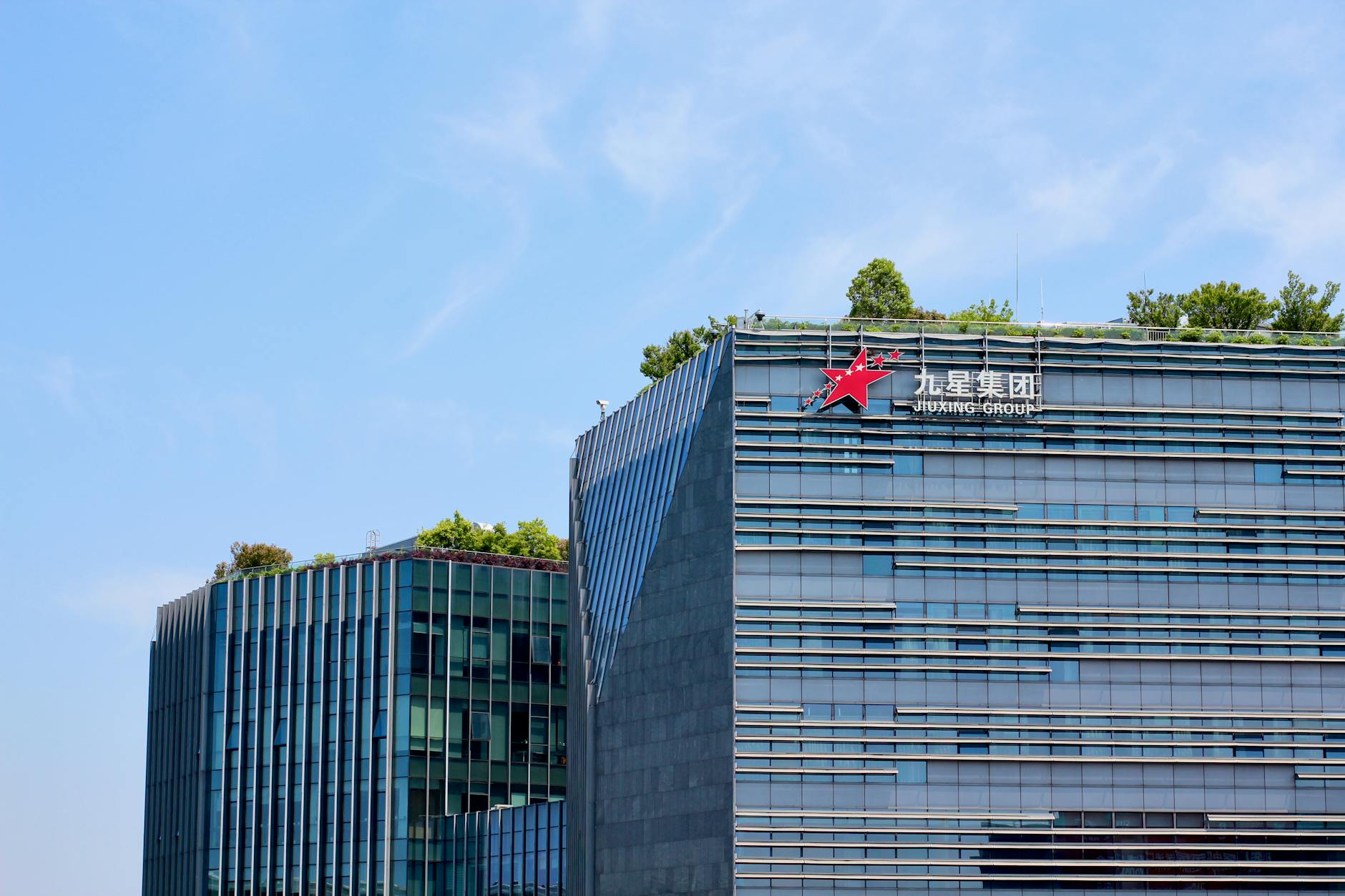
The courtroom drama began in Brooklyn federal court on May 7, 2026, as jurors heard competing claims about a six-story glass building tucked between a hotel, a spa, and a coffee shop in Manhattan’s Chinatown. U.S. prosecutors describe the site as a secret Chinese police outpost, part of a global network meant to quiet dissidents abroad. The defense counters that the space functioned as a legitimate community hub where people could renew Chinese driver’s licenses remotely and, on evenings, play ping-pong and mahjong with friends.
At the center of the case is a banner reportedly visible inside the building: a label that prosecutors say identified the site as the “Fuzhou Police Overseas Service Station, New York USA.” The structure has drawn attention not just for its size and window lines, but for the broader question it raises about how foreign governments conduct influence efforts inside U.S. cities.
What Prosecutors Say: A Hidden Police Post With Orders From Beijing
Jurors heard that the defendants opened the outpost in 2022, after a ceremony in Fujian province where China’s Ministry of Public Security announced the creation of similar stations around the world. A prosecutor described the site as a node in a broader program to monitor people China regards as opposed to its interests and to pressure dissidents in the United States.
According to the government, the building did not merely host visitors from abroad; it functioned under direction from Beijing and carried out tasks that went beyond ordinary civic services. Witnesses are expected to testify about attempts to surveil or harass specific individuals linked to pro-democracy movements. The case also highlights a banner that prosecutors say confirms the station’s identity, a key line of inquiry in linking the outpost to official policy in Beijing.
Prosecutors emphasized that the matter touches on the delicate balance between immigrant communities and potential foreign interference. The language of the indictment points to a broader pattern now under the lens of U.S. law enforcement as it relates to foreign agents operating under the cover of community organizations.
What the Defense Says: The Space Was a Community Hub, Not a Spy Post
A defense team argues the space was a legitimate community center that provided a low-cost option for diaspora members to handle bureaucratic needs during COVID-era travel restrictions. In their view, the defendants — including Lu Jianwang, a U.S. citizen who helped run the facility, and his co-defendant who has pleaded guilty — simply facilitated cultural and social ties in a neighborhood known for its small businesses and cultural organizations.

Defense lawyers describe the site as overlapping with the America ChangLe Association, a community group that the defendants helped oversee. They stress that the association listed itself as a social gathering place for Fujianese residents on tax forms and point to the many ordinary activities described by patrons on routine evenings — ping-pong matches, mahjong games, and casual conversations about daily life in the United States. The defense asserts there is no corroborating evidence that the space operated as a police outpost or that it received orders from Beijing to intimidate anyone in the U.S.
One defense attorney stated that the case rests on the mischaracterization of a public space as a surveillance hub and warned against conflating protective, community-driven activities with covert espionage. The defense also notes the absence of any public violence or forced actions tied to the facility, arguing that a lawful, community-focused use of the building should not carry the stigma of a foreign operation.
Context: How This Case Fits Into a Larger Global and Local Picture
In recent years, U.S.-China tensions have spiked over technology, trade, and human rights concerns. The case touches a nuanced corner of that relationship: foreign policy meets local community life. For residents of Chinatown and other immigrant neighborhoods, the trial’s outcome could influence how business owners engage with partners across borders and how local organizations manage cross-cultural ties while navigating heightened security scrutiny.
The outpost narrative arrives at a time when the United States has increased attention on foreign influence campaigns and foreign agent laws. The trial underscores the risk that legitimate cultural and social groups might be caught up in national security debates, potentially affecting funding, donations, and partnerships for community organizations that rely on diverse sources of support.
Key Facts and Timeline to Watch
- Location: A six-story glass building in Manhattan’s Chinatown, bordered by a hotel, a spa, and a coffee shop.
- Turnkey claim by prosecutors: The site functioned as a Beijing-directed secret police outpost coordinating intimidation of dissidents.
- Identity on display: A banner allegedly identifying the unit as the “Fuzhou Police Overseas Service Station, New York USA.”
- Opened: 2022, following a Chinese government announcement of similar stations worldwide.
- Defendants: Lu Jianwang, 64, a longtime U.S. resident and citizen; co-defendant Chen Jinping has pleaded guilty.
- Defense argument: The site was a community center and social hub for Fujianese residents, not a police facility.
- Potential impact: The case could shape perceptions of foreign-linked community spaces and how they are governed in cities with vibrant immigrant communities.
Implications for Personal Finance, Community Businesses, and Residents
Beyond the courtroom, the case has real-world implications for small businesses and individuals who operate across borders. Community organizations, co-working spaces, and cultural clubs in dense urban neighborhoods like Manhattan’s Chinatown rely on trust, volunteers, and cross-border connections. When a space becomes a focal point of national security scrutiny, donors and local partners may reassess risk, insurance costs, and the availability of funding from international sources.
For families and small-business owners, several immediate questions emerge:
- Will neighborhoods see increased policing or background checks for tenants who share affiliations with foreign-linked groups?
- Could real estate pricing in high-density neighborhoods shift if investors worry about regulatory or political risk?
- How will civil liberties be balanced with security concerns in a way that protects personal finances and community programs?
Analysts say the legal process will also test how clearly prosecutors must prove intent and operational control when allegations hinge on a facility’s appearance and the use of a banner rather than a formal contract or payment trail. The outcome could influence how similar facilities operate or how communities document their activities to reassure members and partners that spaces are not being used as fronts for covert activities.
Market and Community Reactions
Local business leaders in Chinatown say the case has already cast a cloud over perceptions of the neighborhood, even as it remains a vital economic and cultural corridor. A shop owner who asked not to be named noted that the trial has drawn attention to the delicate balance between protecting local identity and ensuring compliance with U.S. law. “Our customers want to feel safe, and they also want to support community groups that serve them,” the owner said. “We’re watching how the court handles this, because it could affect how we raise funds and partner with groups abroad.”
Separately, observers note that the court case occurs amid a broader push to scrutinize foreign influence operations while preserving the ability of immigrant communities to connect with relatives and cultural institutions back home. This tension is at the heart of many personal finance decisions in diverse urban areas, where residents juggle family obligations, cross-border payments, and the costs of doing business in a global economy.
What to Expect Next in the Trial
The trial is scheduled to run through the coming weeks, with a steady stream of witnesses from dissident communities, the building’s tenants, and officials familiar with the kind of public-facing operations alleged by prosecutors. A verdict, if reached, could carry significant penalties if the defendants are found guilty on the most serious charges, including allegations of conspiring to act as foreign agents and destroying evidence. Across the U.S., the case is likely to attract continued attention from policymakers and market observers who monitor cross-border risk and immigrant entrepreneurship.
As jurors weigh the evidence, market watchers and community leaders will be listening for signals about how government action, national security concerns, and local life intersect. Experts say the decision could influence everything from cross-border business partnerships to how diasporic networks structure their operations to minimize legal exposure while preserving cultural exchange.
Next Steps: Why This Trial Matters Now
Beyond the courtroom, the case serves as a case study in how modern national security policies intersect with everyday life in U.S. cities. The balance between safeguarding security and protecting civil liberties remains a central question for lawmakers, courts, and the business community. For readers focused on personal finance, the story underscores the importance of due diligence, transparent governance for community organizations, and clear record-keeping when engaging with international partners and vendors.
As the trial unfolds, observers will look for concrete evidence of intent and operational control that could tie a building to state-directed activity, or, conversely, persuasive testimony about the ordinary, beneficial activities that define neighborhood life. Either outcome will shape the way personal finances are managed in immigrant communities and how small organizations plan for risk in a global era.
Bottom Line: The Case Remains a Litmus Test for Community Life and Foreign Policy
The secret chinese headquarters ping-pong debate is more than a courtroom conflict — it is a reflection of how cities like New York navigate the pressures of international politics while sustaining vibrant, everyday neighborhoods. The verdict will carry implications for how residents, small businesses, and cultural organizations operate under a cloud of global scrutiny, and it will likely set a precedent for future cases at the intersection of espionage law and community life.


Discussion