
Introducing credit card travel rewards program reviews: why they matter
If you want to travel more for less, you need to understand how to read and use credit card travel rewards program reviews. These reviews aren’t just marketing fluff; they’re a blueprint for choosing a card that aligns with your travel goals, spend patterns, and risk tolerance. In this guide, we’ll dissect what to look for in credible reviews, how to compare programs side-by-side, and practical steps you can take today to start earning meaningful rewards.
What credit card travel rewards programs actually offer
- Earning rate: How many points or miles do you earn per dollar in everyday categories (grocery, gas, travel) and generic purchases?
- Redemption options: Can you book flights, hotels, or experiences directly, or do you need to transfer points to partners?
- Transfers & partners: Which airline or hotel programs are you tied to, and how easy is it to move points where you want them?
- Fees & value: What’s the annual fee, foreign transaction fee, and the typical value per point when redeemed?
How to read travel rewards program reviews critically
Not all program reviews are created equal. There are three red flags to watch for: vague numbers, outdated transfer partners, and cherry-picked examples that ignore typical spending patterns. A robust review should provide:

Updated figures for earning rates, transfer partners, and annual fees. At least two realistic spend scenarios (e.g., family with kids, single traveler, business traveler). Clear disclosure of annual fee, foreign transaction fees, and any price protection or lounge access costs. A calculated value range per point across several redemption options.
Top players in 2026: flexible miles, airline miles, and hotel points
Flexible rewards programs (great for mix-and-match travel)
Programs like Chase Ultimate Rewards, American Express Membership Rewards, and Capital One Miles often let you earn broadly and then transfer to partners with favorable rates. You can redeem for travel via portals or transfer to several airline/hotel partners, sometimes with transfer bonuses. Annual fees vary from $0 to around $695 (for premium options), with many high-value perks tied to higher tiers.
Airline co-brand programs
- Strengths: Excellent airline-specific perks, strong award availability with partners, and often generous status benefits.
Hotel co-brand programs
Which program is best for families?

How to maximize travel rewards with one card (step-by-step)
Many readers want to know if one card can meet most needs. Here’s a practical five-step plan you can follow now to maximize rewards with a single primary card, then add complementary options as needed.
If you travel often with one airline or stay in one hotel chain, start there. Pick a flexible points card with broad transfer partners (for example, a popular UR or MR program) to maximize redemption options. If you spend heavily on groceries and gas, choose cards that reward those categories highly. A rough target is to value a point at 1.5–2.0 cents when you can book premium travel or high-value redemptions. Ensure the annual fee is justified by the perks and redemption value you actually use.
Maximizing signup bonuses: timing, eligibility, and value
Compare the advertised bonus points to the value you expect from redeeming them—aim for at least 2–3x the annual fee in practical travel value over a year.
Hidden fees, fine print, and how to avoid pitfalls
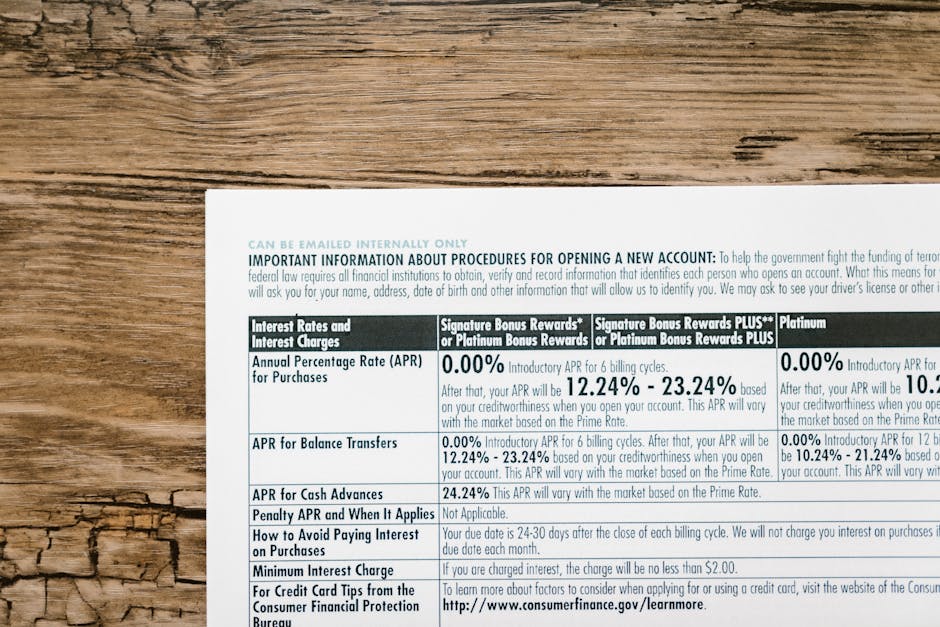
Not all travel cards are free to use abroad—some charge 1–3% per transaction. Is lounge access, suite upgrades, or hotel status worth the cost for you? Delays or unfavorable transfer ratios can erode value quickly. Some redemptions include heavy carrier surcharges on airline awards.
Real-world scenarios: how to apply these reviews in practice
Scenario A: The family explorer
- Primary card: flexible points card with broad airline/hotel transfer options.
- Secondary card: hotel co-brand for easier property redemption at family-friendly properties.
How this plays out in practice: They use the flexible card for groceries, gas, and dining, earning 3–5x in top categories, and transfer points when they plan flights or hotel stays. The hotel card helps on family-friendly properties with free breakfast and kids-stay-free promotions. The combined value is a mix of transfer perks and direct portal bookings, yielding a practical value per point around 1.8–2.2 cents in typical redemptions.
Scenario B: The frequent flyer on a budget
- Primary card: flexible miles program with robust transfer partners and valuable premium lounge access.
- Secondary card: airline co-brand for mileage earn in specific alliance networks.
Reality check: They aim for high-value redemptions on long-haul trips and leverage transfer bonuses to boost miles. The strategy yields high-value redemptions that often surpass 2.0 cents per point, especially when redeeming for business/first-class seats via partner alliances. Transfer timing and seat availability become crucial here.
Frequently asked questions (FAQ) about credit card travel rewards program reviews
Q1: How do I compare travel rewards programs effectively?
A practical way is to map earning rates to your actual spend, then simulate redemptions across several destinations. Favor programs that offer clear value per point in your typical scenarios.

Q2: Can I stack rewards from multiple cards?
Yes, many travelers stack by using one card for everyday categories and another for travel-specific bonuses. Ensure you’re not paying more in annual fees than you gain in value.
Q3: Are annual fees always worth it?
Not always. If you rarely redeem premium benefits or travel enough to justify the fee, a no-annual-fee card may be better. Reviews that model your spend against the fee can help.
Q4: How important is lounge access?
For some travelers, lounge access elevates comfort and productivity on long journeys. If lounge perks aren’t used, it may not justify a higher annual fee.
Q5: What are the common pitfalls in travel rewards programs?
Watch for transfer delays, devaluations, blackout dates, and surcharges on awards. Credible reviews call out these risks with real-world examples.
Conclusion: steer your journey with smart, evidence-based credit card travel rewards program reviews
Travel rewards programs can unlock significant value, but the real power lies in choosing a card that matches your travel habits, budget, and risk tolerance. By reading reviews that emphasize transparent data, scenario-based value, and practical strategies, you can select a card that consistently earns and redeems efficiently. Remember to track your spend, calculate the value per point, and stay mindful of fees and transfer timing. With a thoughtful approach to credit card travel rewards program reviews, you can travel more, spend smarter, and enjoy the journey as much as the destination.
FAQ quick recap
- What is the best way to start with travel rewards? Start with a flexible points card and a targeted hotel program, then assess if adding an airline card makes sense.
- How do I evaluate a review’s credibility? Look for updated data, multiple redemption scenarios, and transparent fee disclosure.
- Are there risks to consider? Yes—transfer timing, devaluations, annual fees, and foreign transaction costs all affect value.




Discussion