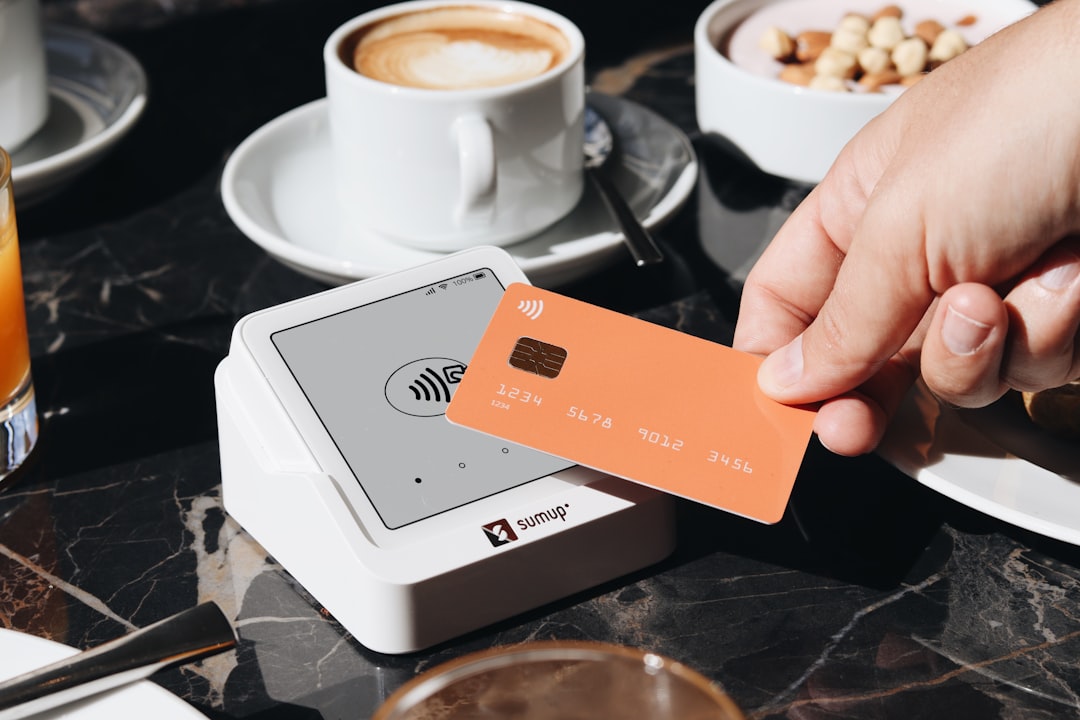
What are credit cards with flexible rewards?
Credit cards with flexible rewards are plastic programs that let you earn points or miles that aren’t tied to a single merchant or category. Instead of rigid categories, you can redeem through multiple avenues: travel bookings, statement credits, gift cards, or transfers to airline and hotel partners. The most valuable feature is the ability to switch redemption options as your needs change, potentially unlocking higher value per point when you route rewards to partners offering better rates.
How flexible rewards work—and why they matter
At the heart of flexible-reward programs is versatility. Instead of earning a fixed 1x or 2x on a narrow set of purchases, you accumulate points that can be redeemed in two broad ways:
- Redemption for travel or cash equivalents: Use points for flights, hotels, or statement credits. The value per point often ranges from 1 to 1.5 cents when redeemed directly for travel or cash back.
- Transfers to travel partners: Move points to airline or hotel programs. The real magic happens here, because you can sometimes unlock 1.5x–2.0x or more value per point by booking through partners with favorable award charts.
Flexible rewards vs fixed category rewards
Fixed-category cards reward specific purchase types (for example, 3% on groceries, 5% on travel). Flexible rewards, by contrast, don’t lock you into a single category. This makes them especially protective if your spending mix changes over time or if you suddenly need to travel and don’t hold a dedicated travel card.
Flexible rewards vs cash-back cards
Cash-back cards are simple: you earn a set percentage back on every dollar. Flexible rewards can outperform cash back when you maximize transfer-value and when the program’s partners align with your travel goals. However, cash-back cards can win on simplicity and predictability. The best strategy often combines both approaches—use a flexible-rewards card for big-ticket redemptions and a cash-back card for everyday spending.
How to choose the best credit cards with flexible rewards
Choosing the right card means weighing earning potential, redemption options, and total cost. Here’s a practical checklist to compare options:
- Earning structure: Look for higher base earning on core categories you actually spend on (travel, dining, groceries, gas). Some programs offer flat-rate earnings plus bonus categories when booked through specific portals.
- Transfer partners and value: The program’s network matters. More or better transfer partners can unlock strong value when you book flights or hotels.
- Redemption options and ease: Are you able to redeem for travel, cash, gift cards, or experiences easily? Do you need to book through a portal, or can you redeem directly?
- Fees and annual cost: A card with a higher annual fee can still be worth it if the first-year and ongoing value from bonuses and ongoing rewards outweigh the cost.
- Expiration and transfer rules: Do points expire? Are transfers instant or do they take time? Are there minimums?
- Welcome bonuses: A strong sign-up bonus can dramatically boost initial value, especially if the spend requirement is attainable within 3 months.
- Customer experience and trust: Print reputation, customer service, and security features matter for long-term use.
Best uses and scenarios for flexible rewards
Different spending patterns benefit different flexible-rewards programs. Here are common scenarios and how to maximize value.
- Travel-first households: Prioritize programs with strong airline and hotel transfer partners. If you can convert points into premium-cabin flights or high-value hotel stays, you’ll maximize value per point.
- Frequent grocers and diners: Look for earning boosts on groceries and dining. Even if cash redemptions are straightforward, you may unlock better value by redeeming for travel through partners later.
- Big annual trips: A high-sign-up bonus paired with transferable points often yields the best value for one- or two- week trips to multiple destinations.
Real-world examples and scenarios
To illustrate how this works in practice, consider two travelers, Maya and Alex, who use different flexible-rewards strategies.
Scenario A — Travel-focused with transfer partners
Maya signs up for a flexible-rewards card that offers 60,000 points after meeting a $4,000-spend requirement within 3 months. The program supports strong airline and hotel partners. Maya transfers 40,000 points to an airline partner and books a $1,200 business-class international flight. At optimal transfer value, Maya enjoys roughly 1.8–2.0 cents per point in value. If the flight would cost $2,400 in cash, Maya’s 40,000-point transfer could be worth about $720–$800 in value. The remaining 20,000 points are redeemed for a hotel stay worth about $300. Total travel value from the welcome offer and redemptions: roughly $1,020–$1,120, with ongoing earnings thereafter.
Scenario B — Everyday spend with flexible rewards and a cash-back complement
Alex uses a flexible-rewards card that earns 3x on groceries and 3x on dining, while other purchases earn 1x. Over a 6-month period, Alex spends $12,000 on groceries and dining and redeems points for a $900 travel statement credit after transferring a portion to a partner where possible. If Alex’s program allows 1.5–2.0 cents per point when transferring, the realized value from the transfer-optimized redemptions can exceed simple 1x cash value, making the card a strong choice even when some redemptions are less favorable.
Table: A quick comparison of typical flexible-reward archetypes
| Archetype | Typical Earning | Transfer Partners | Redemption Value (Typical) | Annual Fee |
|---|---|---|---|---|
| AmEx Membership Rewards-heavy card | 2x on all, 3–5x on select categories | Numerous airline/hotel partners | 1.5–2.0+ cents/point via transfers | Often $95–$695 |
| Chase Ultimate Rewards-based card | 2x on travel/dining, 1x elsewhere | Strong airline/hotel network | Typically 1.25–2.0+ cents/point when transferred | Usually $95–$395 |
| Citi ThankYou-based card | 1–2x, with higher rates in key categories | Multiple transfer partners | Value varies; transfers can outperform cash redemptions | Often $0–$95 |
| Capital One Miles-based card | 2x on purchases, variable in travel via portal | CapOne transfer partners | 1.0–2.0+ cents/point with transfers | Varies (some no annual fee)* |
How to redeem flexible rewards for travel
Redeeming flexible rewards for travel typically follows these steps:
- Identify the best value path (transfer to a partner vs. booking through a portal).
- Check award charts and blackout dates for your destination and travel dates.
- Compare the cash value of a direct travel booking with the value you’d get by transferring points.
- Book promptly when you find a favorable transfer-rate or award availability.
- Track expiration policies and keep an eye on portal-only offers or limited-time transfer bonuses.
What to watch out for with flexible rewards
While flexible rewards offer great upside, there are caveats to consider:
- Expiration: Points and miles may expire if you don’t activity or meet minimum requirements. Some programs offer indefinite expiration if you keep the account open or earn/redeem periodically.
- Transfer timing: Transfers aren’t always instant. Plan travel around anticipated transfer windows to avoid award-seat gaps.
- Value volatility: The value of points can swing with award charts. Always estimate value before booking.
- Fees and surcharges: Award tickets can have carrier-imposed taxes and surcharges that reduce overall value.
- Annual fees: Some powerful programs come with high annual fees. Weigh the ongoing benefits against the cost.
Beginner guide: getting started with flexible rewards
If you’re just starting, here’s a practical path to build value quickly:
- Choose a primary flexible-rewards framework (for example, a card in the AmEx MR family or a Chase UR-based card).
- Earn a solid sign-up bonus with achievable spend (e.g., 60,000–100,000 points after $3,000–$4,000 in 3 months).
- Set up a simple spend map: daily essentials (groceries, gas, dining) feed the higher-earning categories.
- Review at least quarterly which redemptions delivered the best value and adjust usage accordingly.
- Watch for transfer bonuses and upgrade opportunities when the annual fee rolls over.
Key Takeaways
Frequently asked questions
How do flexible rewards programs work?
Flexible rewards programs earn points or miles that can be redeemed in multiple ways, including travel, cash back, merchandise, or via transfer to airline/hotel partners. The most valuable redemptions usually come from transfers that unlock higher-value awards.
Do flexible rewards points expire?
Expiration policies vary by program. Some points never expire if you keep the account open or remain active; others expire after a set period of inactivity. Check your issuer’s terms to avoid surprises.
Are flexible rewards worth it?
Generally yes, especially if you can consistently transfer to partners and redeem for high-value travel. They can outperform fixed-category or simple cash-back cards when used strategically.
How do I maximize value from flexible rewards?
Map your spending to the categories you earn most, diversify with a cash-back card for simple purchases, and optimize transfers to top partners. Always compare the value of a transfer against a direct booking or a cash redemption.
Can I transfer flexible rewards to airline miles?
Yes, many flexible-reward programs allow transfers to airline and hotel partners. The value you get depends on the partner’s award chart, current promotions, and how you book.
Conclusion: should you choose credit cards with flexible rewards?
Credit cards with flexible rewards offer powerful value if you’re willing to invest a little time in learning redemption options and mapping your spending. They’re particularly advantageous for regular travelers who can exploit transfer partners and favorable award charts. If your aim is flexibility, potential savings on travel, or a way to optimize large purchases, these cards deserve serious consideration. Start by identifying your top spending categories, pick a couple of programs with strong partner networks, and build a disciplined redemption plan. With thoughtful use, credit cards with flexible rewards can outpace fixed-reward cards and even many cash-back setups over the long haul.



Discussion