
Lead: A Regulatory Rethink for Mortgage Lending
In a move that could redraw the playbook for mortgage lending, a Friday executive order released on March 15, 2026, directs federal agencies to rethink how loans are originated, supervised, and enforced. The administration, centered on a potential Trump leadership team, argues the changes would widen access to credit for community banks and smaller lenders while preserving borrower protections. Observers say trump’s mortgage order sets a blueprint for regulators to recalibrate the balance between risk and access in a market that has stubbornly resisted gains in affordability.
What the Order Sets In Motion
Key components of the order target mortgage credit flow in two main ways: it names specific categories of lenders and calls for a broad review of core underwriting rules. Community banks with less than $30 billion in assets, and banks under $100 billion, are singled out as beneficiaries of anticipated changes. The goal is to lower origination costs and ease compliance burdens that, proponents say, disproportionately weigh smaller lenders.
At the same time, the order tasks the Consumer Financial Protection Bureau (CFPB) with revisiting rules tied to ability-to-repay and the qualified mortgage (QM) framework. In plain terms, the administration is signaling a potential path toward looser standards in some areas and tighter oversight in others, all with an eye toward reducing friction in the loan process for smaller banks. But because several provisions rely on reforming or repealing existing rules, many would require congressional action before they can take effect.
- Targeted lenders: Institutions with assets under $30 billion would be prioritized for regulatory relief, while those under $100 billion could see additional adjustments in oversight and enforcement.
- Underwriting and QM: The CFPB would study how to adapt ability-to-repay and QM rules to smaller balance loans, potentially broadening acceptable risk profiles for some borrowers.
- Rulemaking timeline: Several provisions would need Congress to act, and any new rules would go through formal notice-and-comment processes that can stretch for months.
Industry Reaction: Relief, Not Revolution
Within hours of the release, bankers and nonbank lenders signaled a cautious welcome for a plan they say could reduce costly compliance overhead and restore some balance between community banks and mega-lenders. A senior executive at a midwest regional bank said the move is "a meaningful sign that policymakers are listening to smaller lenders'" concerns and could translate into faster loan decisions for local borrowers.
Policy experts also see potential upside for the mortgage ecosystem if the changes are carefully calibrated. David Park, housing policy analyst at the Cornerstone Policy Institute, noted that the order's framing could encourage more robust competition in the loan market, particularly for first-time buyers in smaller markets.
Park cautioned, however, that any loosening must come with guardrails to prevent an erosion of underwriting standards, especially in volatile housing cycles.
Other voices in the industry highlight the long road ahead. A policy director for a national housing nonprofit said, 'The outline could help some borrowers gain access to credit, but the real test is whether final rules preserve meaningful protections for consumers.'
Consumer Backlash and Protections: The Other Side of the Coin
Consumer advocates quickly framed trump’s mortgage order sets as a double-edged sword. They warn that relaxing underwriting thresholds could lower the barrier to loan approvals for some borrowers while increasing default risk for others and potentially raising costs over time.
Maria Gonzales, spokesperson for Consumer Finance Watch, said, 'Any move that eases lender burdens must come with transparent price protections for borrowers. Without that, there’s a real risk of pushing more borrowers into risky products.'
Supporters of strong consumer safeguards argue that the order could undermine originator accountability and blur lines between responsible lending and convenience-driven loans. 'Letting lenders push more loans into a looser QM category could amplify losses if borrowers lose income or stimulus measures fade,' warned Lila Chen, director of research at a consumer advocacy group.
Congress and the Political Context: A Parallel Path
The timing of the order comes as legislation related to housing finance moves through Congress. Earlier this week, the Senate advanced the 21st Century ROAD to Housing Act, a measure aimed at expanding credit access but stripping out provisions from the House-passed Housing for the 21st Century Act that would have broadened credit to smaller banks. Analysts say any actual regulatory relief tied to the executive order will likely depend on separate legislative action or formal rulemaking—a process that often extends into late 2026 or 2027.
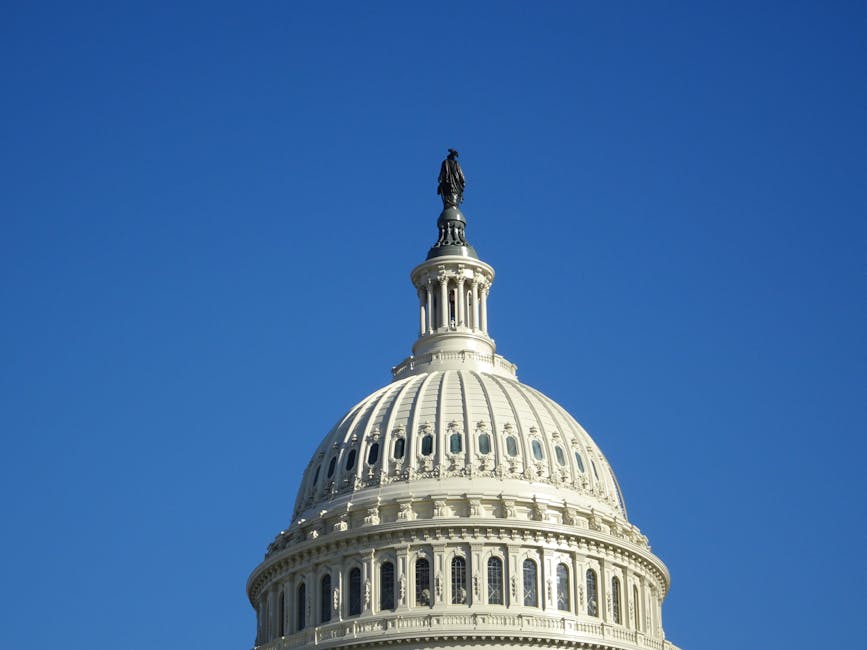
A veteran policymaker noted, 'Congress is largely two-thirds of the way through their big housing bills, and many elements of the executive order would require a lengthy notice-and-comment process. Realistically, the final rules could arrive at the end of 2026 or the start of 2027.'
What to Watch Next: Timelines, Markets, and Lending Practices
Several timelines and market signals will help gauge how far trump’s mortgage order sets the course for regulatory reform. Key things to monitor include:
- Rulemaking timelines: The CFPB would issue proposed changes, seek public input, and then publish final rules, a sequence that commonly spans 12-18 months or longer.
- Industry pricing effects: If underwriting becomes more flexible, lenders could adjust pricing, potentially narrowing spreads on certain loan products while increasing costs on others depending on risk.
- Lending patterns: A shift in the mix of loans—more applications from smaller banks, more originations in rural and mid-sized markets—could reallocate share away from larger institutions.
In the near term, mortgage markets have shown sensitivity to policy chatter. Analysts say investor focus remains on how the administration will balance access with responsibility, and markets will react as concrete rule drafts emerge.
Market and Sector Implications
Early trading in regional banks and mortgage insurers reflected cautious optimism about reduced compliance costs, though some investors tempered expectations given the uncertain regulatory horizon. Mortgage-backed securities traders noted modest liquidity shifts as lenders recalibrate risk in anticipation of possible underwriting changes.
For homebuyers, the potential impact hinges on final rules and congressional actions. If trump’s mortgage order sets a framework that broadens access without sacrificing borrower protections, buyers in smaller communities could see faster approvals and improved loan availability. If protections wane, the opposite risk emerges, with higher costs or limited product options for borrowers who rely on nontraditional lenders.
Bottom Line
As of March 2026, trump’s mortgage order sets a bold, multifaceted agenda for how the federal government could reshape mortgage credit. The plan’s emphasis on community and smaller banks has drawn praise for potential access gains, while consumer advocates warn of longer-term costs if underwriting standards loosen too much. The real test will come through the slow grind of rulemaking, congressional action, and the market’s response as the mortgage ecosystem absorbs the implications of a regulatory shift that may take several years to finalize.
Discussion